Tag Archives: research

Building a Back Story

Yesterday, I figured out a plausible back story for the protagonist of my next novel. Like The Ambitious Madame Bonaparte, this one will be based on the life of a real women—but this story is more difficult because she left her New England home to go west and then refused to talk about her childhood because of some unspecified break with her family of origin. Historians have not even been able to identify her birth family with complete accuracy because there are three different recorded birth dates for her and two different maiden names!

Needless to say, this situation has both pros and cons. On the one hand, I get to make up her back story to suit myself, while on the other hand, the field is almost too wide open. It’s difficult to make choices that hang together properly. I’ve been struggling with it for several weeks and finally decided to read a history of the state where she grew up, which unfortunately, is one of the few states I’ve never even set foot in. Reading that book made a huge difference. I learned that the industry I thought dominated the state had all but died out by the time she was born, and something else entirely had begun to take its place. Then, about a week ago, I had an intuitive flash in which I “saw” this woman as a child in a distinctive setting. After that, everything fell into place. I now know how I’ll portray the events that brought about the unlikely occurrence of a single woman from New England leaving behind her well-established family and traveling alone to the frontier.

5 Comments

Filed under Research

More research photographs

I usually do this on Sunday, but I had something else to post yesterday. (Another review of The Ambitious Madame Bonaparte. Yeah.)

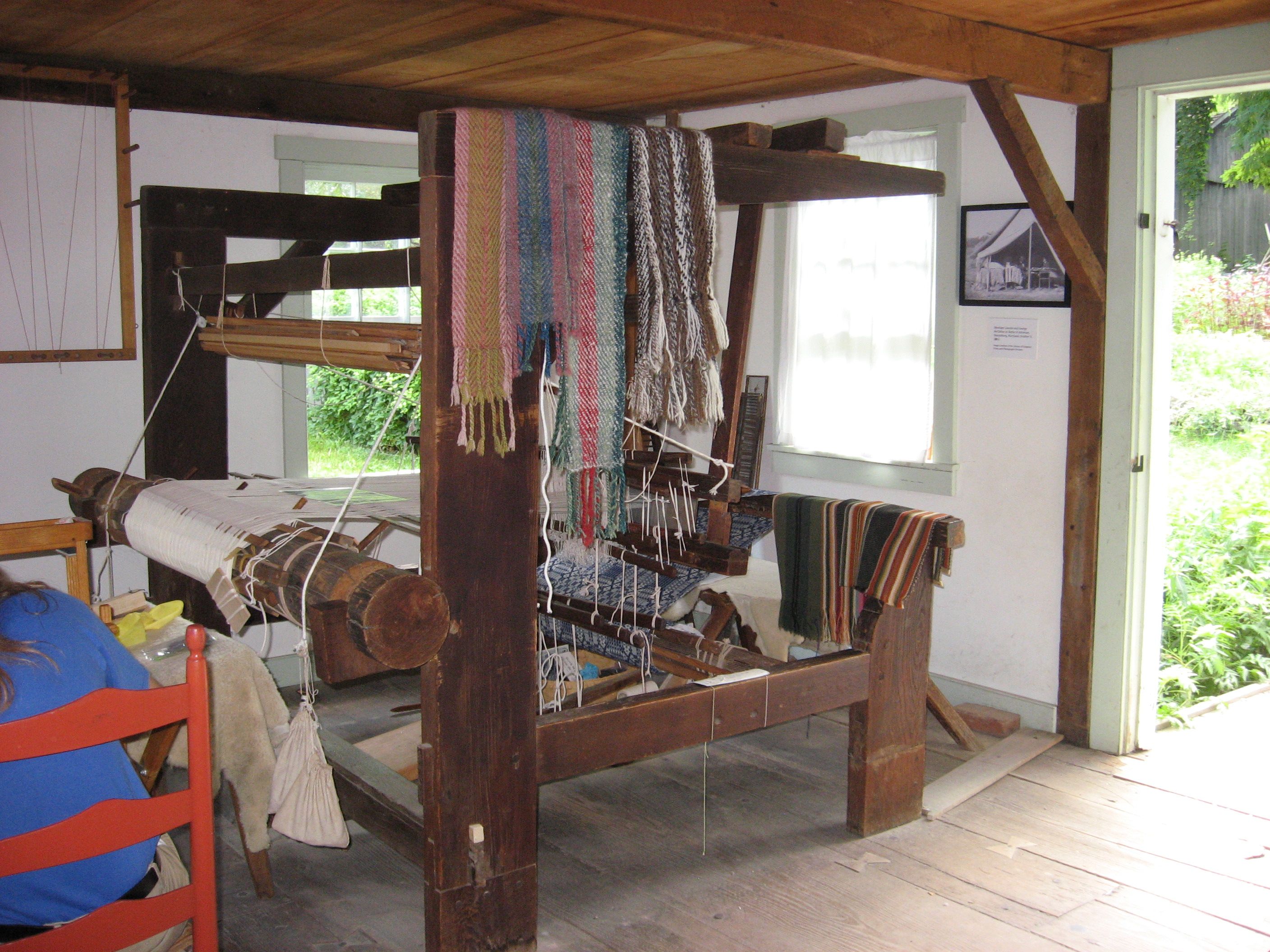
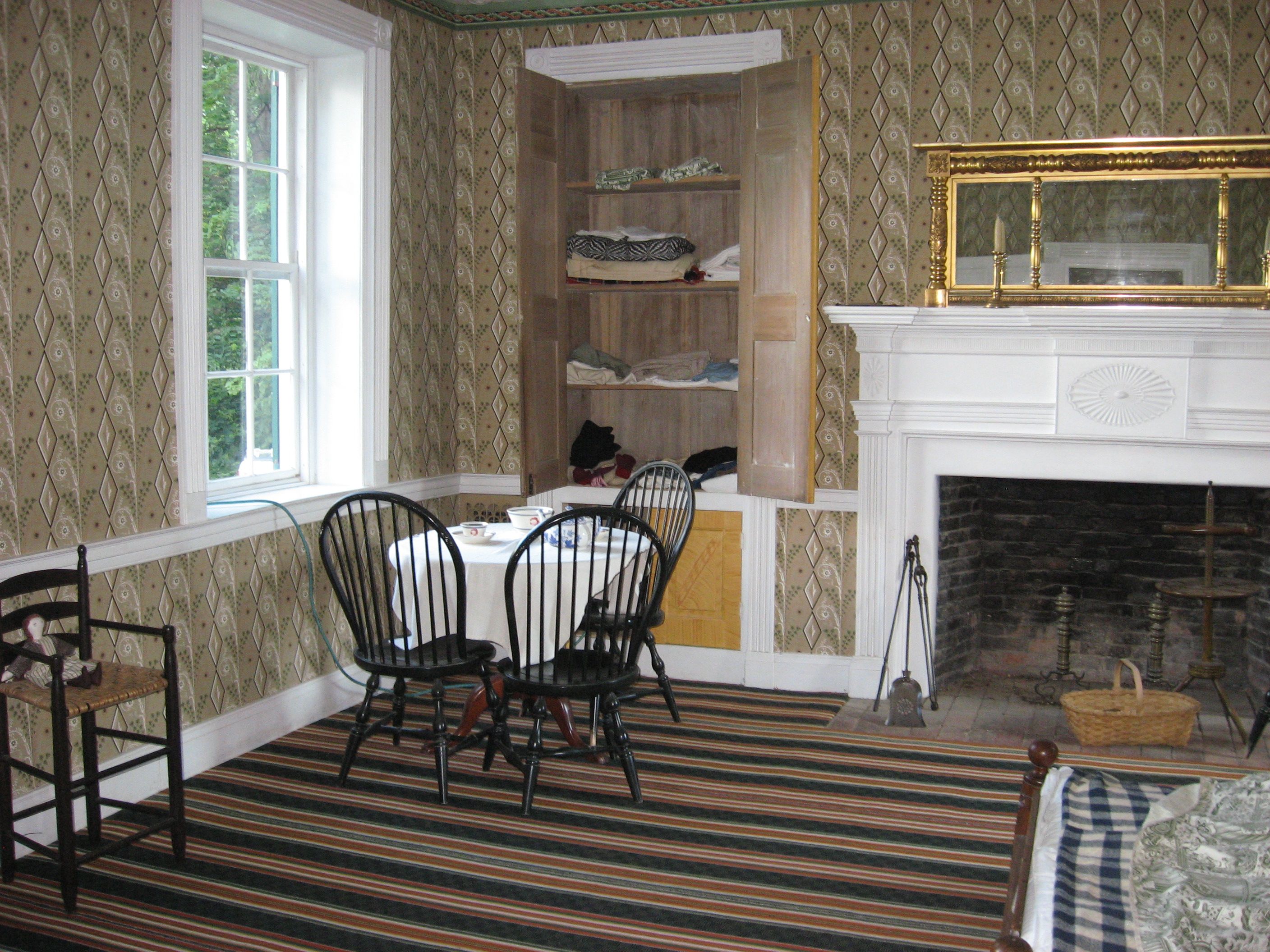
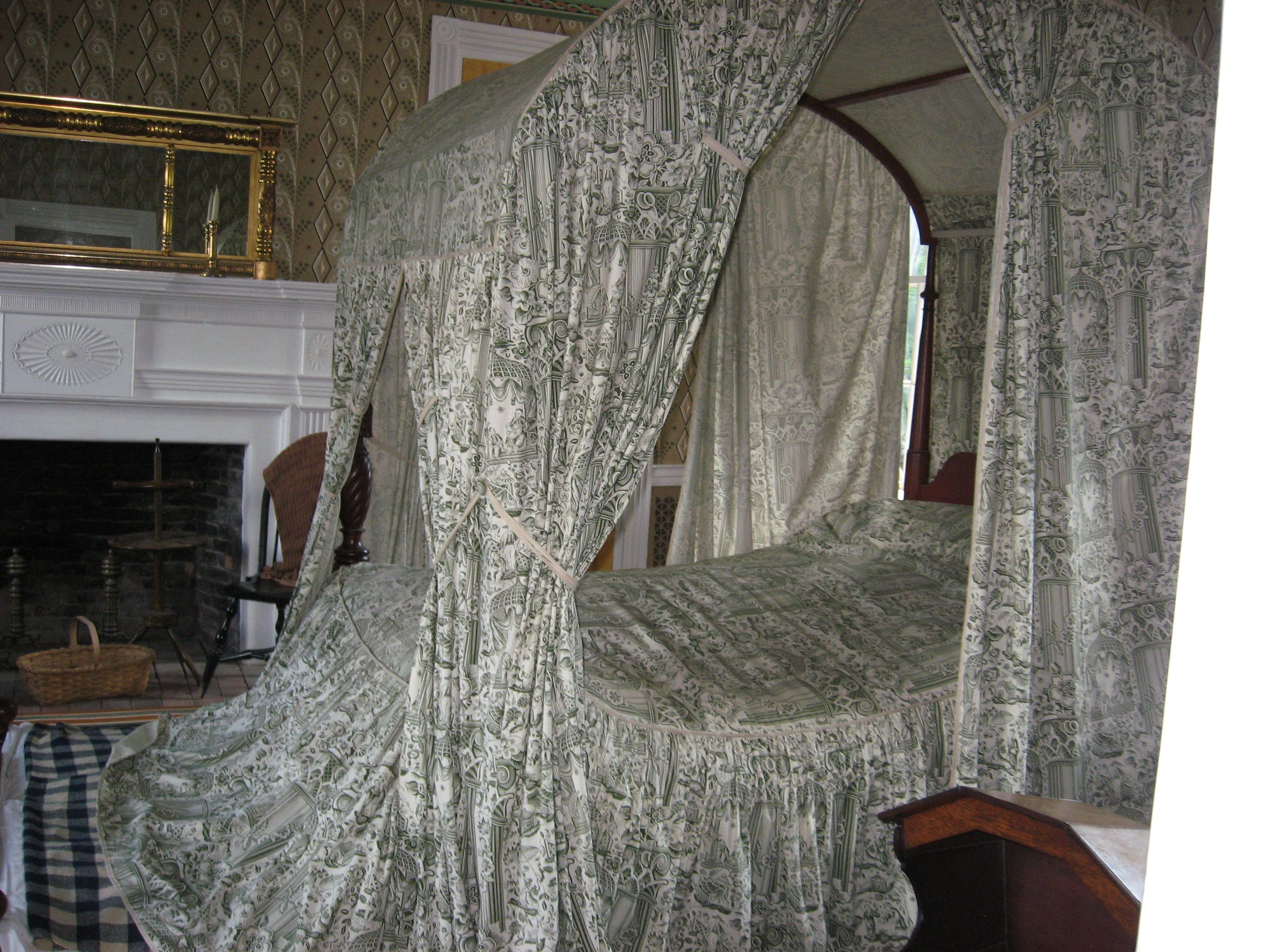
These are more of the research photos I took last summer. I’m not sure I’m actually going to need these in my next novel, but it was too fascinating not to photograph.

IMG_0166

IMG_0167

IMG_0168

IMG_0171

2 Comments

Filed under Research

Outlining Historical Fiction

It feels as though I’ve been very slow at starting the new novel, mostly because of the distraction of cancer treatment. This week, however, I finally felt like I was getting somewhere. That’s because I stopped just reading about the historical background for the book. I actually started on the outline.

My method is pretty direct. I start by listing chronologically the main events from the life of the woman I’m writing about—at least, the ones that pertain to the period of the novel. Unlike The Ambitious Madame Bonaparte, which covered a time span of more than 30 years, the next book will cover only a few months. Once I have my list of actual historical events, I’ll start adding fictional episodes as needed: events that fill in the gaps of motivation and character development. The third and final step will be to sort those roughly into chapters.

I still have a lot of reading and research to do yet, including a trip this summer to the area where the action of the novel took place. But as a writer, I’m happiest when I’m juggling research and more creative activities.

I also received some really terrific news today. I heard from a state historical society that they have three photographs of the interior of my main character’s house (taken before the attacking Indians burned it). And I can purchase copies. That’s going to be an invaluable help to me as I write.

Leave a comment

Filed under Research, Writing Historical Fiction

Research Photo Sunday

More photos from my trip to Conner Prairie, last summer.

IMG_0158

IMG_0160

IMG_0162

IMG_0163

6 Comments

Filed under 19th century life

Doing Distressing Research

Because of my current treatment plan (for breast cancer) and my resulting emotional fatigue, it’s been hard to get excited about working on the new novel. Another reason for my reluctance was the type of research I was doing.

The novel I’m planning to write is based on the true experiences of a woman who was taken captive during one of the most brutal Indian wars in U.S. history. To get a broader background, I decided to read a 400-page book on the beginning of the conflict. I have to say, it was one of the hardest reads I’ve done in a long time. The book went into excruciating detail about the violence committed during the conflict. Some of it was really barbaric.

It’s not like I’ve never done this sort of research before. As a textbook editor and writer, I have covered some really horrible periods of history in which humans have committed unspeakable horrors against each other. Immersing myself in such knowledge always depresses me. I remember one three-week period in which I had to write a chapter on Reconstruction. Having to spend all my working hours dealing with stories of lynchings and the other forms of terrorism inflicted on the recently freed slaves left me feeling so sad and heavy. I was never so glad to be finished with a chapter!

With that assignment, at least, I knew I’d be done after a relatively short time. In contrast, my novel will probably take me a couple of years from research to final revisions. As I read that book that described attack after attack, I began to wonder if I’m really up to dealing with this oppressive material—especially since I’m already dealing with other stressors.

Well, for the time being, I’ve decided to soldier through. I’m just going to have to alternate the upsetting reading with research about more pleasant things, such as fashion or native culture. Fortunately, my main character didn’t personally witness too many barbarities, so I can limit my exposure to that material should I need to. At least, that’s the plan for now.

16 Comments

Filed under 19th century life, Research

Sunday Check In

Last week I was adjusting to daily radiation treatments, so I never got around to writing my own or reading other people’s blog posts. This afternoon, I decided that I’m not going to be able to catch up reading other blogs, so I’ll just try to start fresh tomorrow.

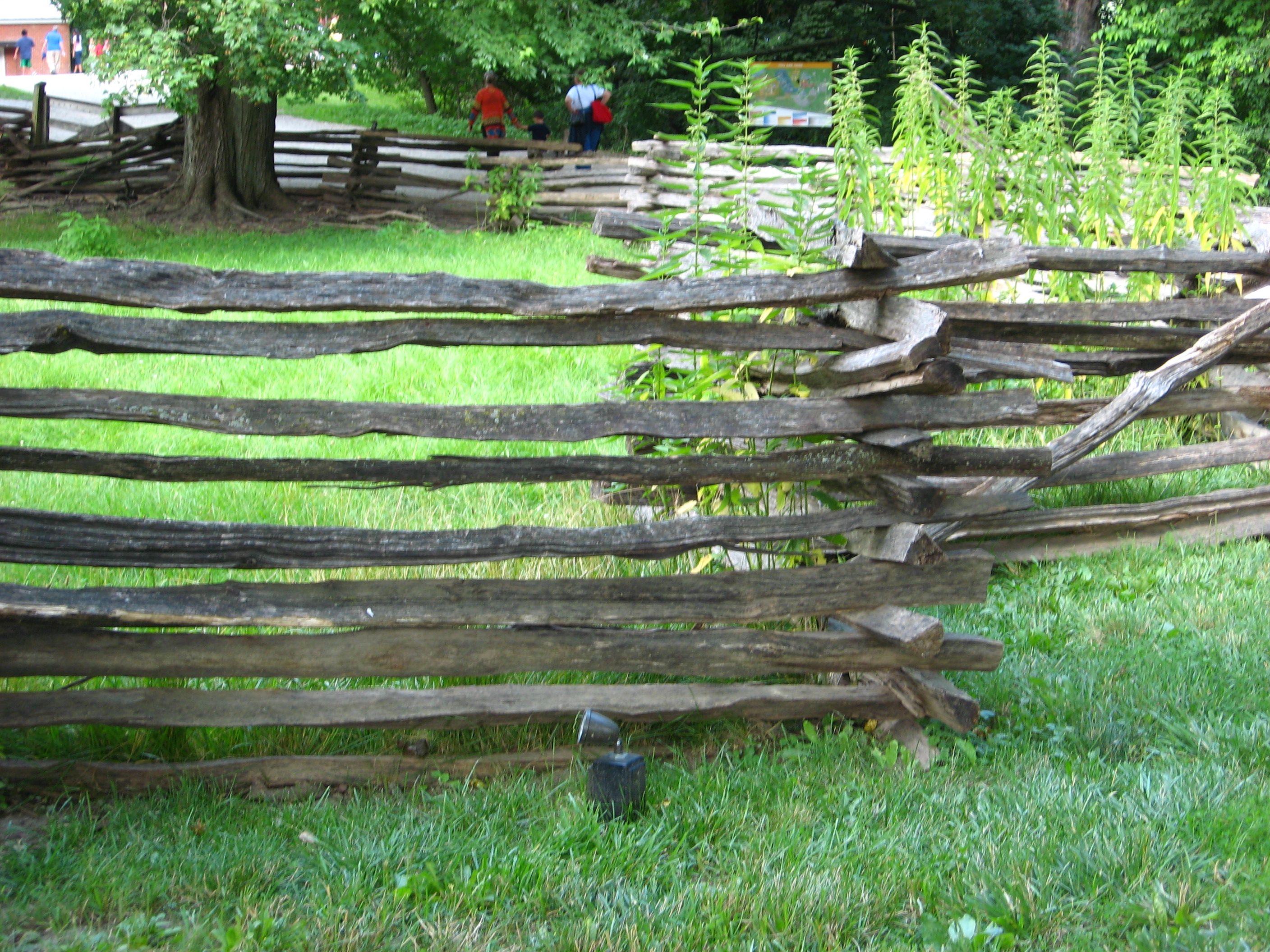
One thing I did last summer was to go to an interactive history museum as early research for my next novel, which is set in a frontier area. I think I might make it a regular practice to post a few pictures from that every Sunday. And I’ll start today.

split_rail

barn

crockery

9 Comments

Filed under 19th century life, Research

Writing Historical Fiction: Organizing Research

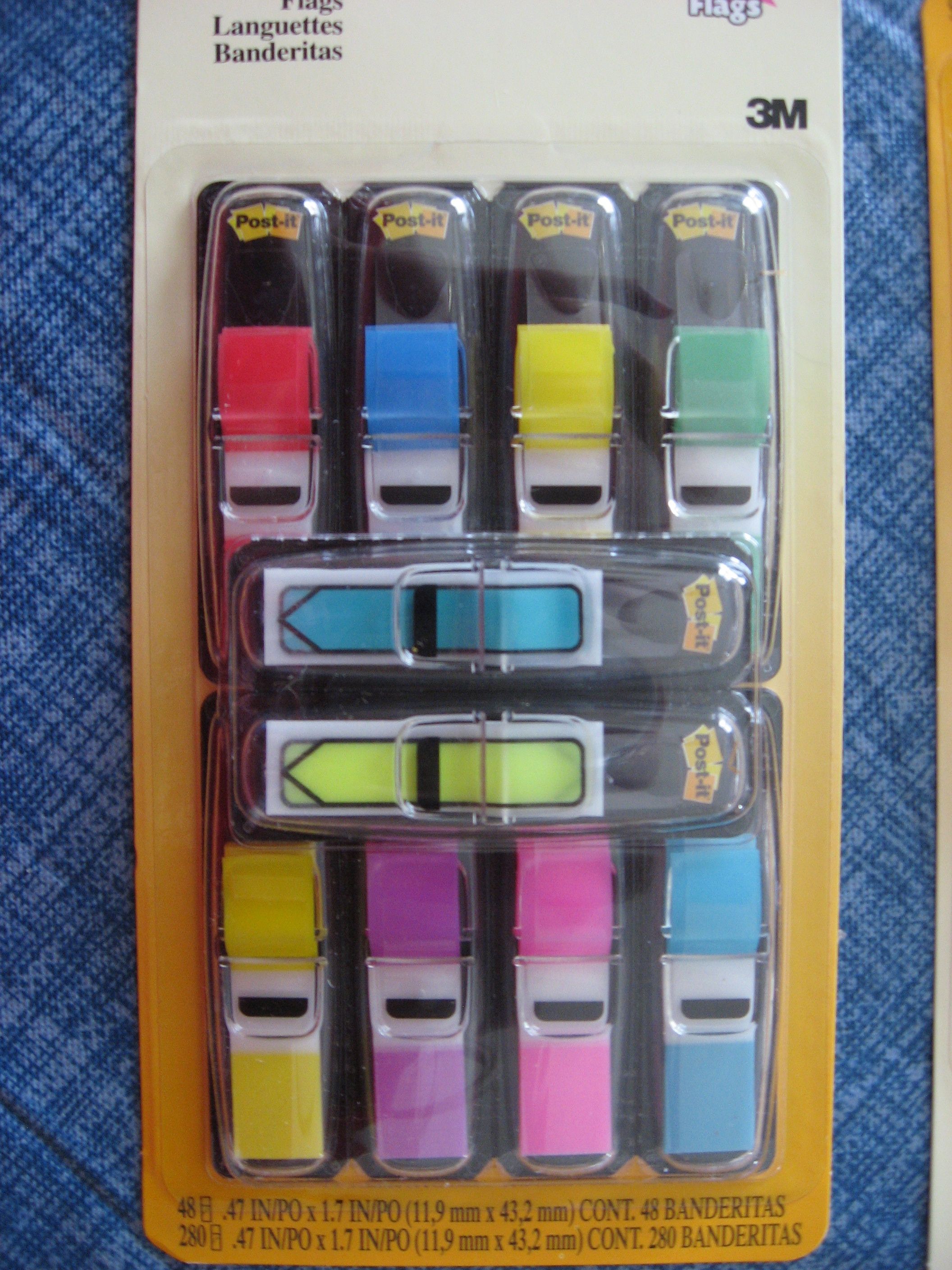
flags

This past week, I started doing serious research for my next book. For some reason, I’m finding this upcoming project more intimidating than The Ambitious Madame Bonaparte, which is odd because the new book will cover a much more condensed time period. Maybe I’m nervous because I have a better idea now of what researching a historical novel actually entails. Last time, I went into it with a certain naïveté.

At any rate, I want to organize my research more efficiently than I did last time. One thing I’m doing is to highlight the books I read. You have to understand that I’m someone who NEVER marks up books. This time, however, I’m highlighting important facts and details in yellow highlighter and even writing an occasional comment on the side–so far, mostly connections to other events or questions about the author’s objectivity/interpretation.

I also bought several packages of colored flags, and I plan to use them to indicate the different categories of information. Yellow for plot events, blue for information about my main character, green for details of daily life in the late 1800s, etc. Of course, I’ll do a lot of Internet research and probably set up a system of folders for book marks, maybe using the same categories, maybe others.

I’ve also realized I’m going to have to create a list of minor characters. There will be a lot of people in this book, although most will appear for only a page or so. It can’t be helped because of the nature of the historical conflict I’m portraying. Making a list will help me decide who to include and who to ignore.

That’s as far as my thinking has taken me so far. Do those of you who are writers have any other helpful tips for organizing research?

21 Comments

Filed under Writing Historical Fiction

Betsy’s Circle: Her Son Bo

Betsy and Jerome had one child, a son, whom Betsy  named Jerome Napoleon Bonaparte. Among his mother’s family, however, he was known as Bo.

I haven’t said much about him before because I don’t want to give away any spoilers. However, I ran across this letter the other day when I was checking something else, and I found it amusing. As it doesn’t relate to any of the events I cover in the novel, I decided to share it here. Betsy wrote it from Europe to her father and describes events that took place when her son was merely sixteen:

Bo was very much attended to by all hands in Europe, and admired by every  one. Some ladies in Rome ran after him so much that I feared his being spoiled, although he seemed quite unconscious of it, supposing probably that women old enough to be his grandmother could not be foolish enough to fall in love with him. It is certain that his beauty attracted great attention; a German princess told me that she had followed him once in Geneva, at a ball, from room to room, to look at him, and that he was the handsomest creature she ever saw. He certainly is the handsomest boy I ever saw  of his  age, and in all respects the finest creature possible. His modesty and good sense alone prevent his being spoiled, for I assure you he received attentions sufficient to have turned much older heads.

By most accounts, Betsy was a vain woman, so I think there may be a bit of mother’s exaggerated pride here. But it still tickles me to think of middle-aged princesses trailing after her son because he was so “beautiful.”

1 Comment

Filed under Extra Tidbits

Betsy’s Circle: Dolley Madison

Dolley Madison

Dolley Madison by Gilbert Stuart, via Wikimedia Commons

One of Betsy Bonaparte’s more surprising friendships was with Dolley Madison. On the surface, the two women seemed to have little in common, yet they had an amiable relationship that lasted many years. For example, while Dolley was in the White House, Betsy often looked in on Dolley’s son at his boarding school near Baltimore. And Dolley Madison once gave Betsy the commission of buying her a turban or anything fashionable on her next trip to Europe because she so admired Betsy’s taste. 

Dolley Madison, born Dolley Payne, was raised as a Quaker in Virginia. Her family moved to Philadelphia when she was a teenager. When Dolley was twenty-two, she married a young lawyer named John Todd, with whom she had two sons. Tragedy soon struck, however. The terrible yellow fever epidemic of 1793—which wiped out some 11 percent of Philadelphia’s population—killed both her husband and her younger son, who was only three months old.

Within a year, Dolley had met and married James Madison, a bachelor who was seventeen years older than she was. As the main author of the U.S. Constitution, Madison was an important political figure, so this new relationship thrust Dolley into a much different social sphere than she had been used to.

She proved to be more than up to the task. After Thomas Jefferson became president, James Madison became his secretary of state and Mrs. Madison served as the hostess for the widowed president. After eight years, Madison succeeded to the presidency, and Dolley Madison officially became the first lady. She was famous for her entertaining. The following description comes from my forthcoming novel The Ambitious Madame Bonaparte:

Under Mrs. Madison’s direction, Benjamin Latrobe had transformed the oval drawing room into a blazingly colorful salon that was the talk of Washington. Latrobe had repainted the walls sunflower yellow, highlighted moldings with strips of pink wallpaper printed with white and dark green leaves, hung crimson velvet curtains with gold tassels, and laid a carpet with a red, blue, and gold arabesque pattern. Dolley Madison held open houses every Wednesday in the lavishly decorated room. So many people attended—sometimes as many as 400 in a day—that the regular event became known as Mrs. Madison’s “crush or squeeze.”

Dolley Madison became a beloved national hero during the War of 1812. When it became evident that the British were going to take Washington, D.C., in August 1814 and that it would not be possible to protect the President’s Mansion, Dolley stayed to oversee the removal of as many precious and important items as possible—including a full-sized portrait of George Washington. It is this action for which she is best remembered today.

Gilbert Stuart - George Washington - Google Art ProjectGeorge Washington by Gilbert Stuart, via Wikimedia Commons

Although Dolley and James Madison remained devoted to each other, Dolley did have one major sorrow. Her surviving son Payne Todd was an irresponsible alcoholic. His behavior was a trial to his mother, particularly after James Madison’s death. Because of Payne’s heavy spending, Dolley Madison spent much of her later years in poverty.

4 Comments

Filed under Extra Tidbits

Just in Case Research

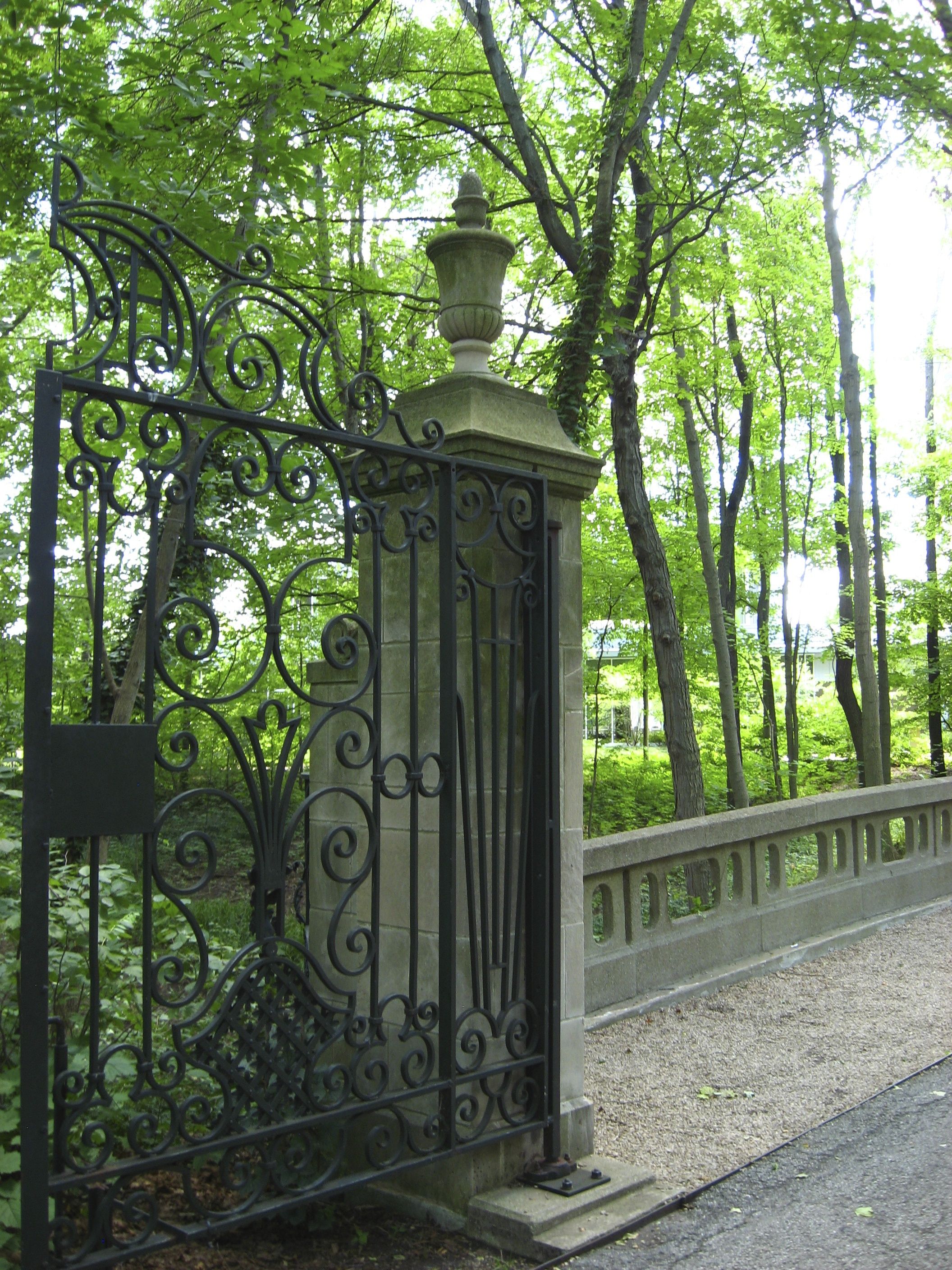
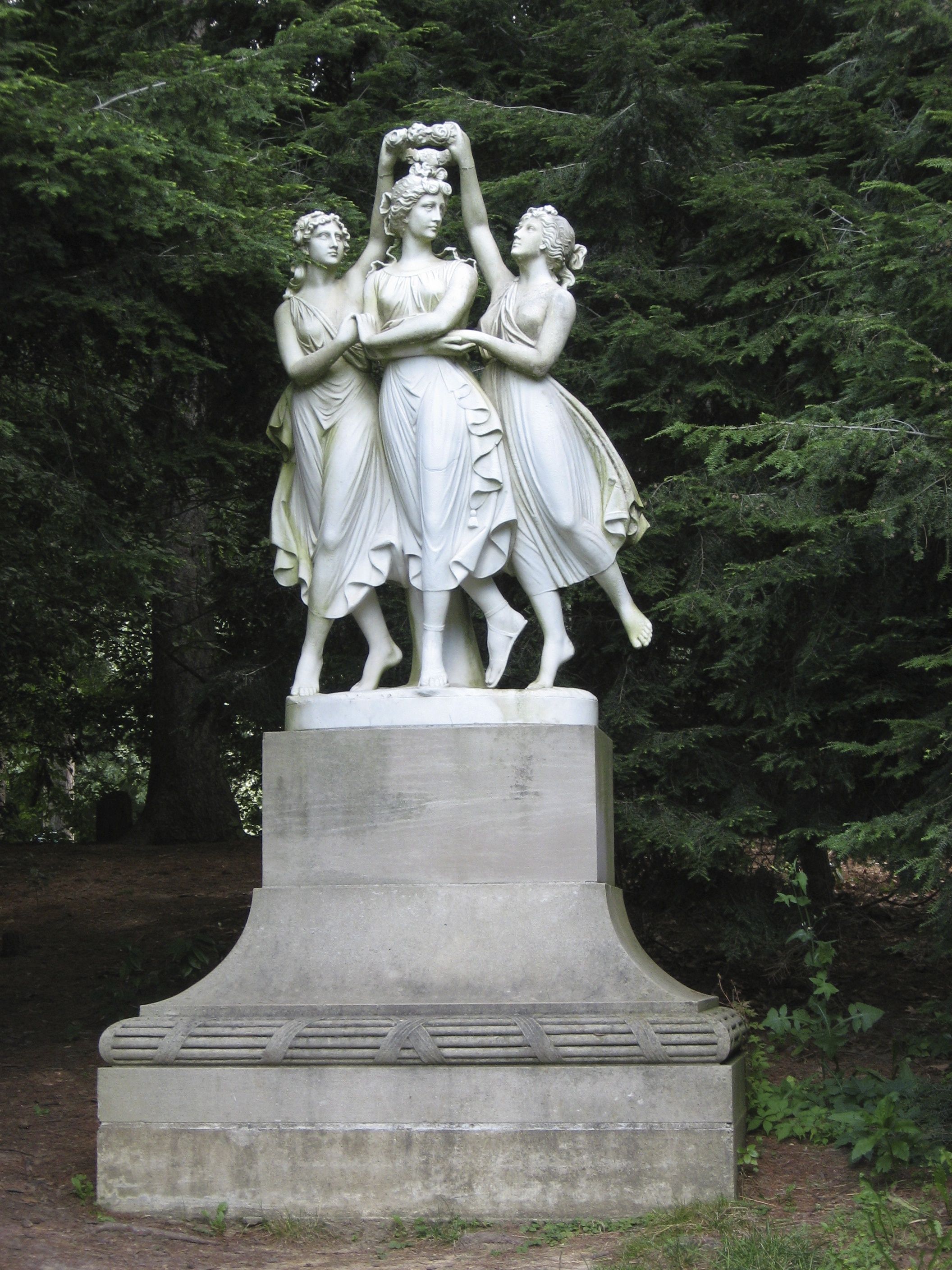
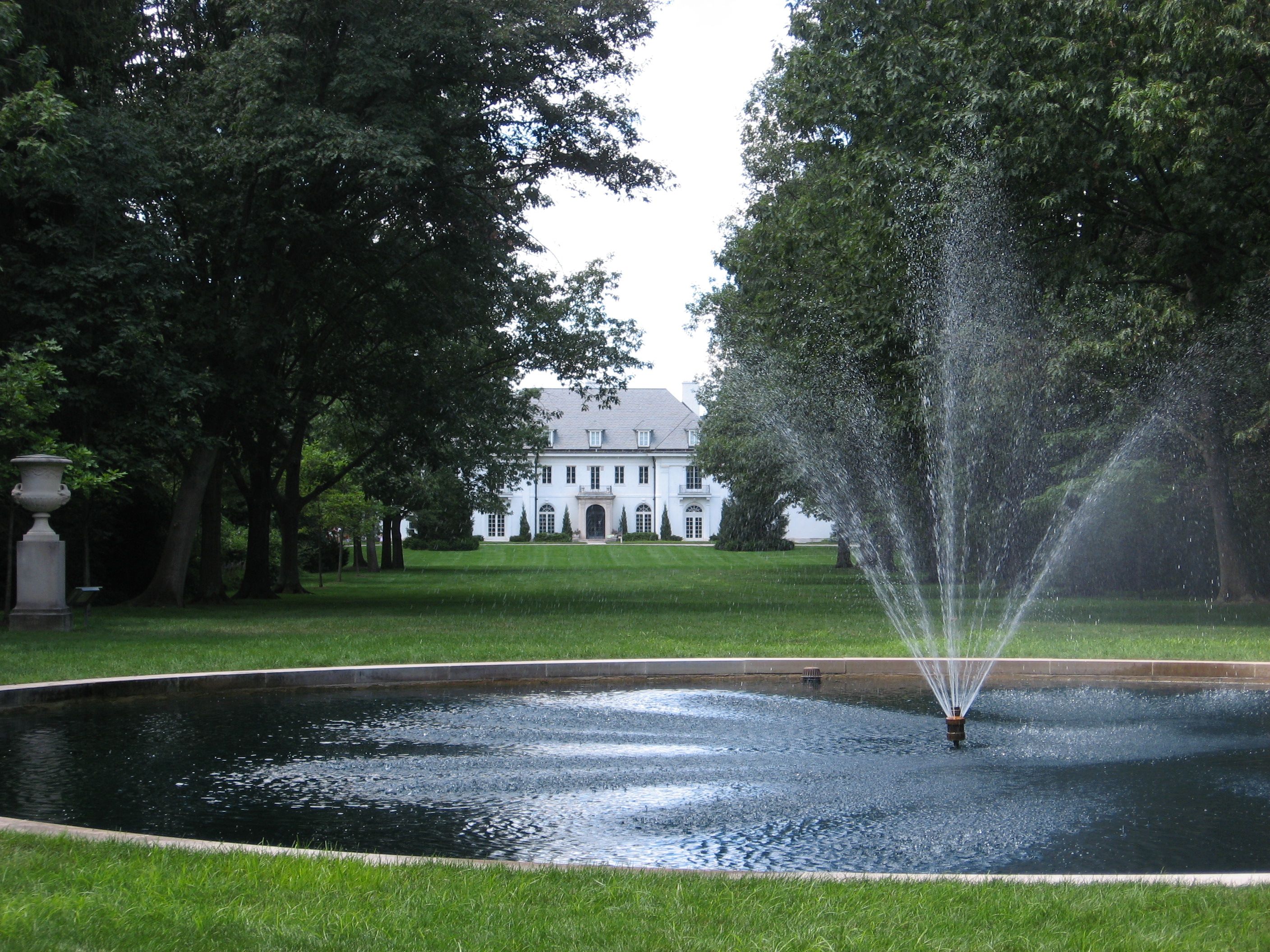
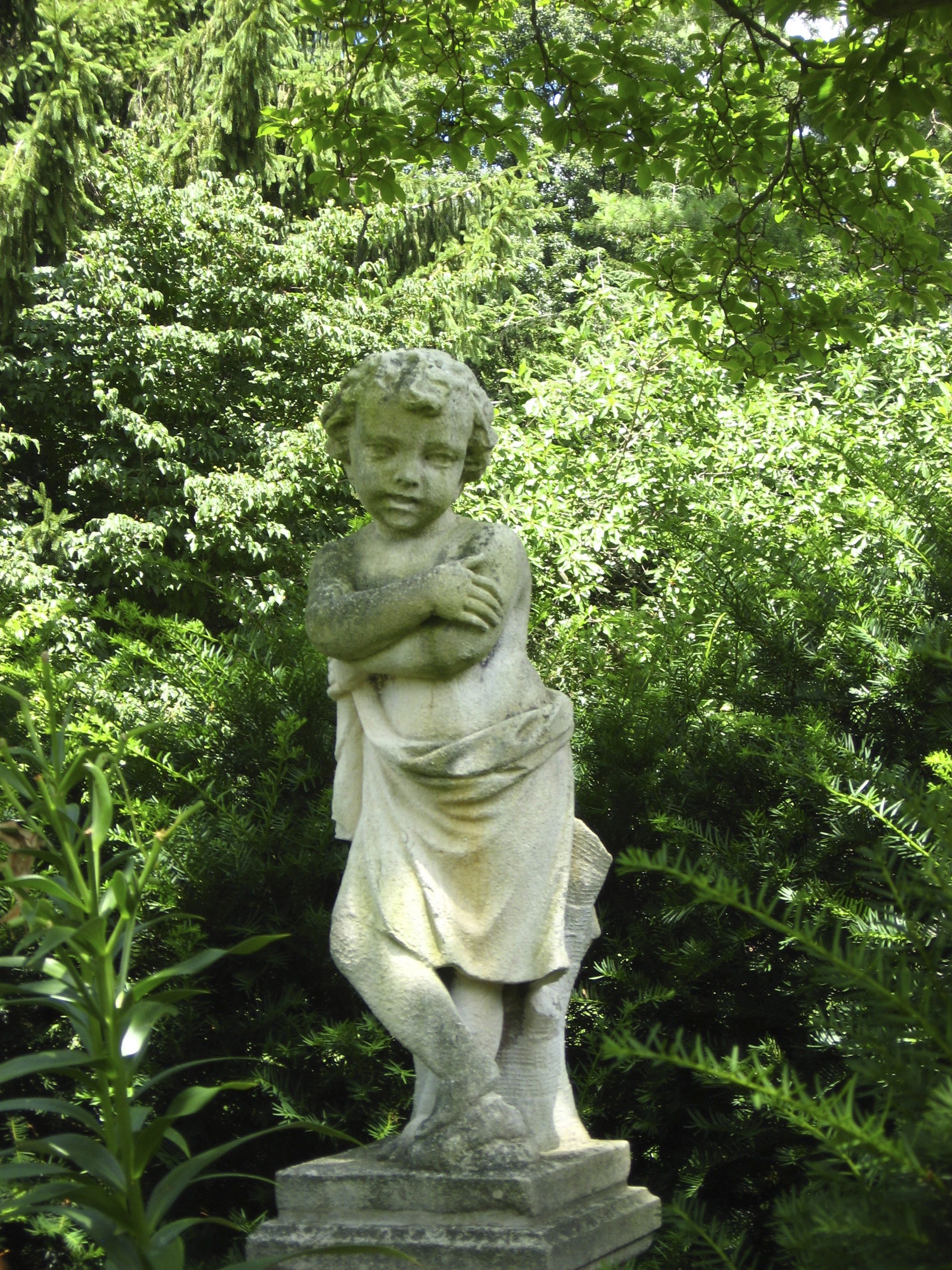
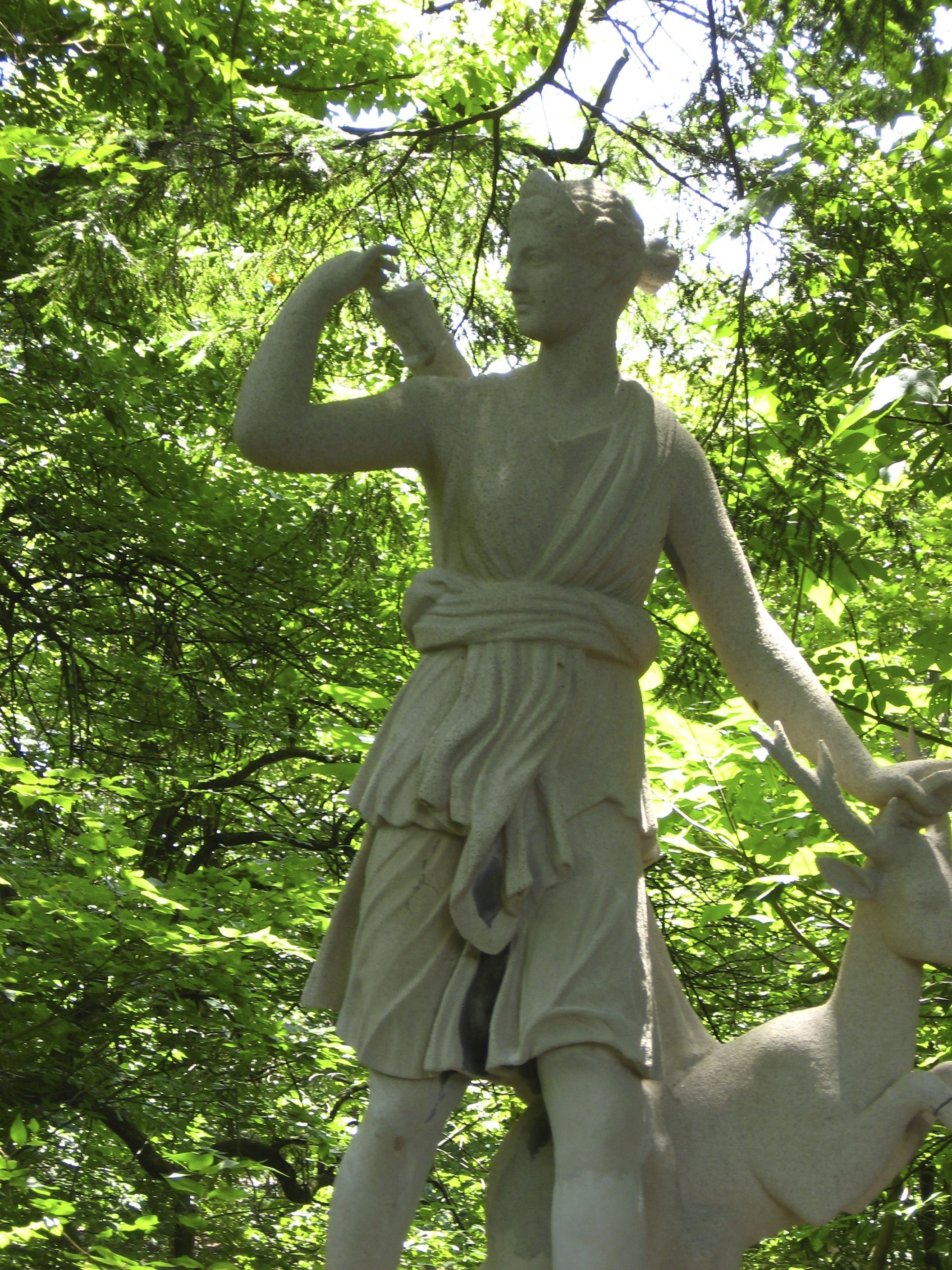
Last summer, while we were visiting my husband’s sister, we strolled through the formal gardens at the Indianapolis Museum of Art. Since I think it’s quite possible I might have to describe an estate with a formal garden in historical fiction someday, I took a lot of photographs as “just in case research.” Here are a few of my favorites:

IMG_0099

IMG_0106

IMG_0109

IMG_0077

IMG_0080

IMG_0089

IMG_0096:

9 Comments

Filed under Research