Category Archives: Research

More research photographs

I usually do this on Sunday, but I had something else to post yesterday. (Another review of The Ambitious Madame Bonaparte. Yeah.)

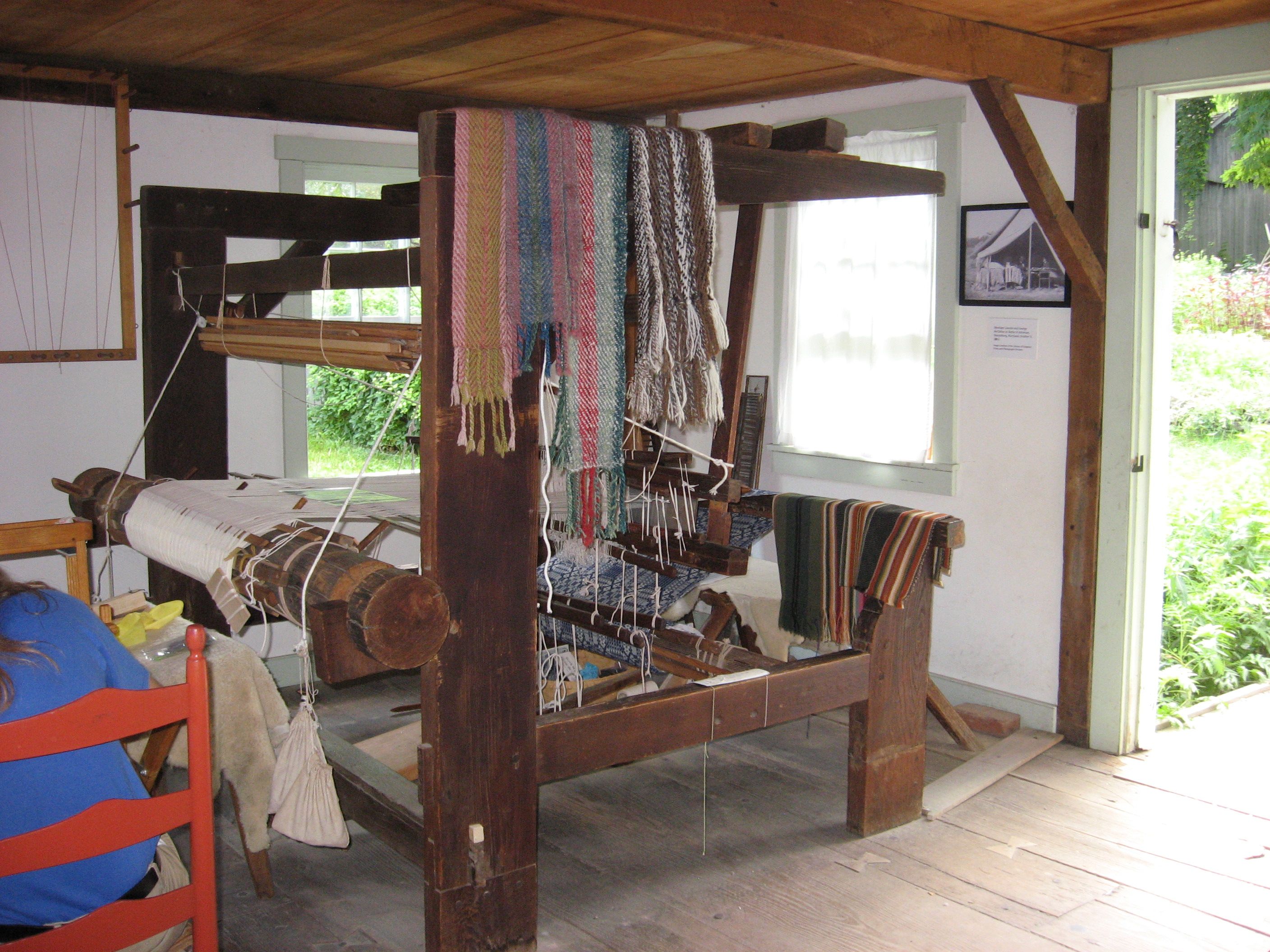
These are more of the research photos I took last summer. I’m not sure I’m actually going to need these in my next novel, but it was too fascinating not to photograph.

IMG_0166

IMG_0167

IMG_0168

IMG_0171

2 Comments

Filed under Research

Outlining Historical Fiction

It feels as though I’ve been very slow at starting the new novel, mostly because of the distraction of cancer treatment. This week, however, I finally felt like I was getting somewhere. That’s because I stopped just reading about the historical background for the book. I actually started on the outline.

My method is pretty direct. I start by listing chronologically the main events from the life of the woman I’m writing about—at least, the ones that pertain to the period of the novel. Unlike The Ambitious Madame Bonaparte, which covered a time span of more than 30 years, the next book will cover only a few months. Once I have my list of actual historical events, I’ll start adding fictional episodes as needed: events that fill in the gaps of motivation and character development. The third and final step will be to sort those roughly into chapters.

I still have a lot of reading and research to do yet, including a trip this summer to the area where the action of the novel took place. But as a writer, I’m happiest when I’m juggling research and more creative activities.

I also received some really terrific news today. I heard from a state historical society that they have three photographs of the interior of my main character’s house (taken before the attacking Indians burned it). And I can purchase copies. That’s going to be an invaluable help to me as I write.

Leave a comment

Filed under Research, Writing Historical Fiction

Doing Distressing Research

Because of my current treatment plan (for breast cancer) and my resulting emotional fatigue, it’s been hard to get excited about working on the new novel. Another reason for my reluctance was the type of research I was doing.

The novel I’m planning to write is based on the true experiences of a woman who was taken captive during one of the most brutal Indian wars in U.S. history. To get a broader background, I decided to read a 400-page book on the beginning of the conflict. I have to say, it was one of the hardest reads I’ve done in a long time. The book went into excruciating detail about the violence committed during the conflict. Some of it was really barbaric.

It’s not like I’ve never done this sort of research before. As a textbook editor and writer, I have covered some really horrible periods of history in which humans have committed unspeakable horrors against each other. Immersing myself in such knowledge always depresses me. I remember one three-week period in which I had to write a chapter on Reconstruction. Having to spend all my working hours dealing with stories of lynchings and the other forms of terrorism inflicted on the recently freed slaves left me feeling so sad and heavy. I was never so glad to be finished with a chapter!

With that assignment, at least, I knew I’d be done after a relatively short time. In contrast, my novel will probably take me a couple of years from research to final revisions. As I read that book that described attack after attack, I began to wonder if I’m really up to dealing with this oppressive material—especially since I’m already dealing with other stressors.

Well, for the time being, I’ve decided to soldier through. I’m just going to have to alternate the upsetting reading with research about more pleasant things, such as fashion or native culture. Fortunately, my main character didn’t personally witness too many barbarities, so I can limit my exposure to that material should I need to. At least, that’s the plan for now.

16 Comments

Filed under 19th century life, Research

Sunday Check In

Last week I was adjusting to daily radiation treatments, so I never got around to writing my own or reading other people’s blog posts. This afternoon, I decided that I’m not going to be able to catch up reading other blogs, so I’ll just try to start fresh tomorrow.

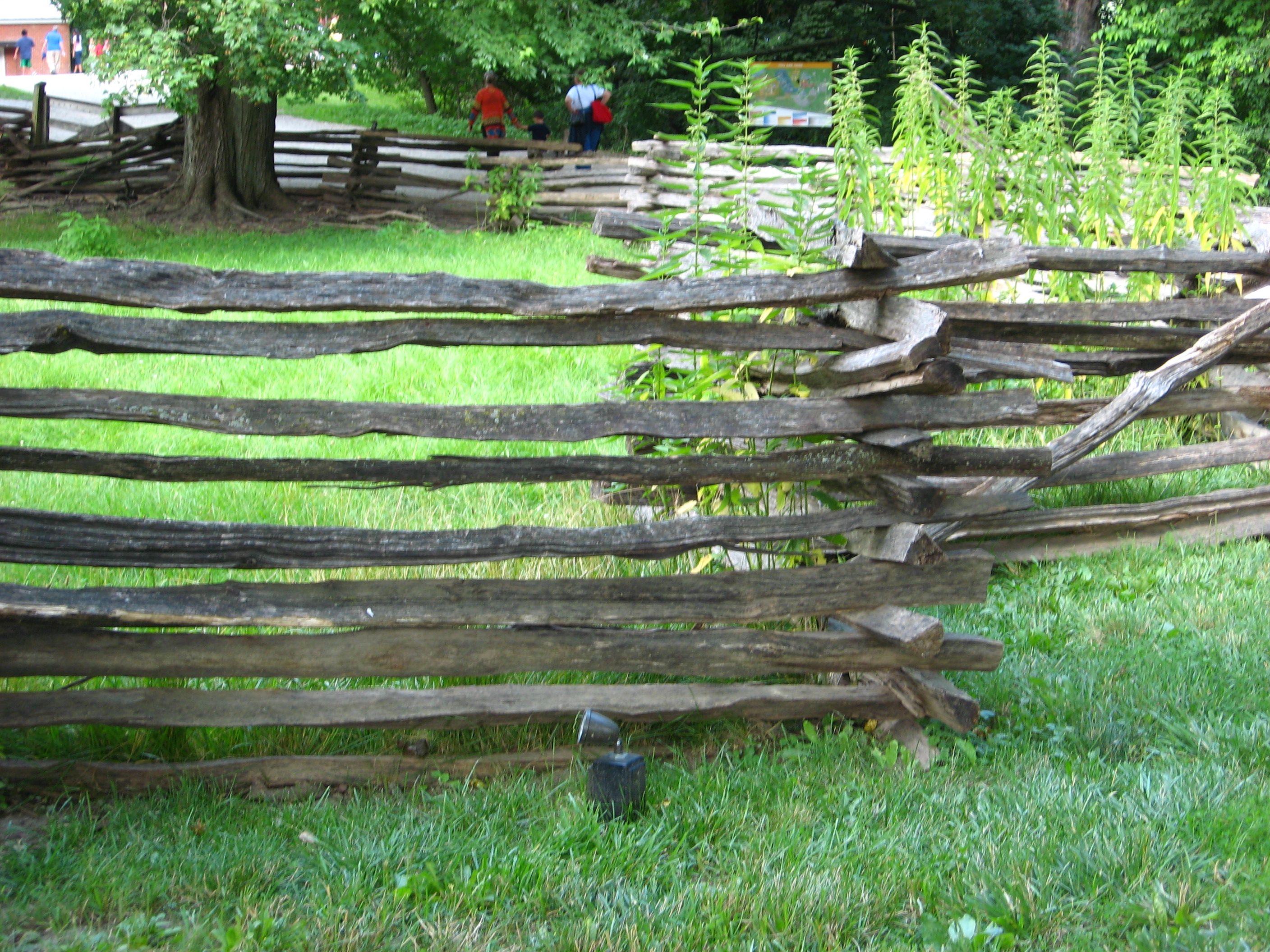
One thing I did last summer was to go to an interactive history museum as early research for my next novel, which is set in a frontier area. I think I might make it a regular practice to post a few pictures from that every Sunday. And I’ll start today.

split_rail

barn

crockery

9 Comments

Filed under 19th century life, Research

Just in Case Research

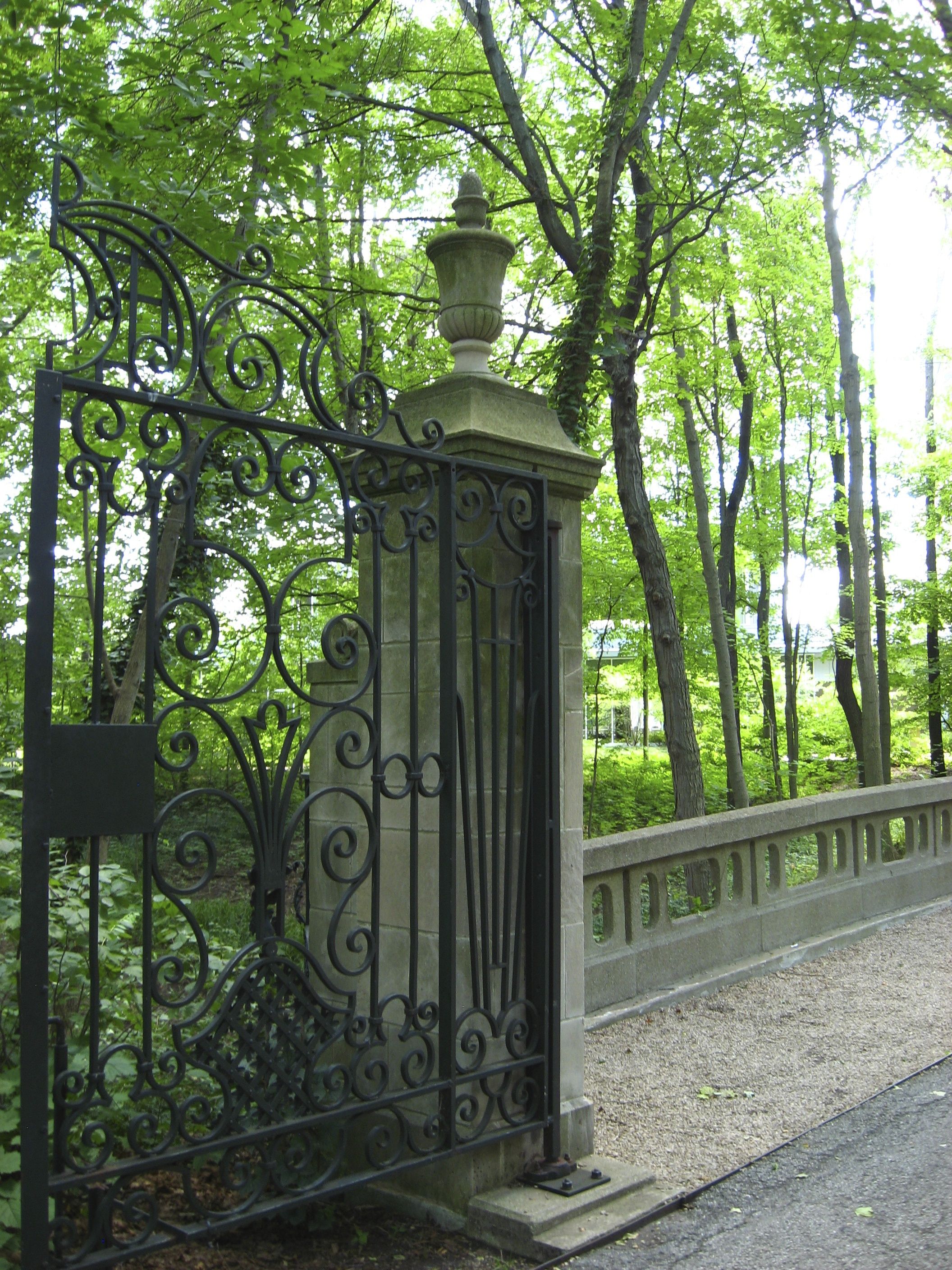
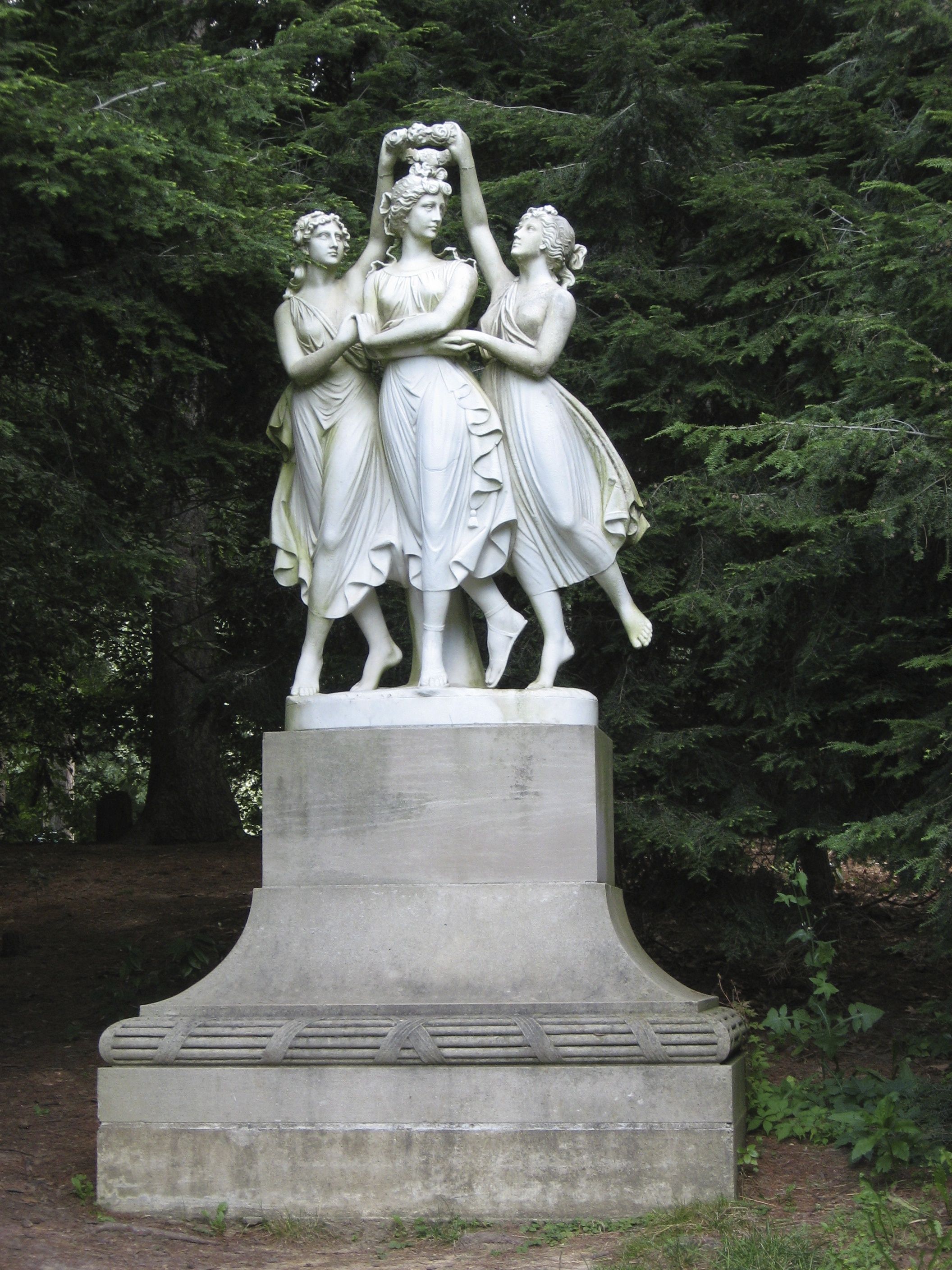
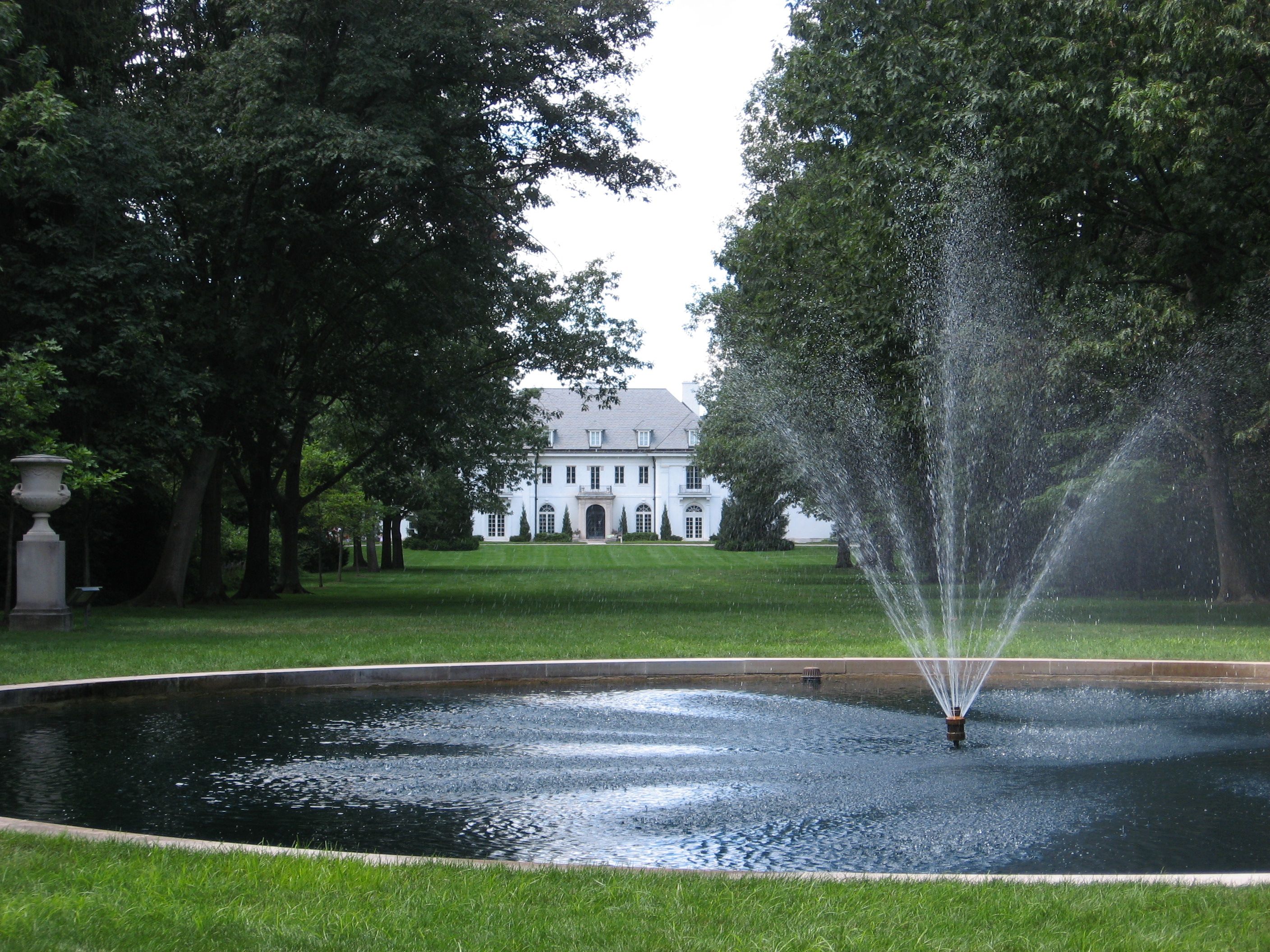
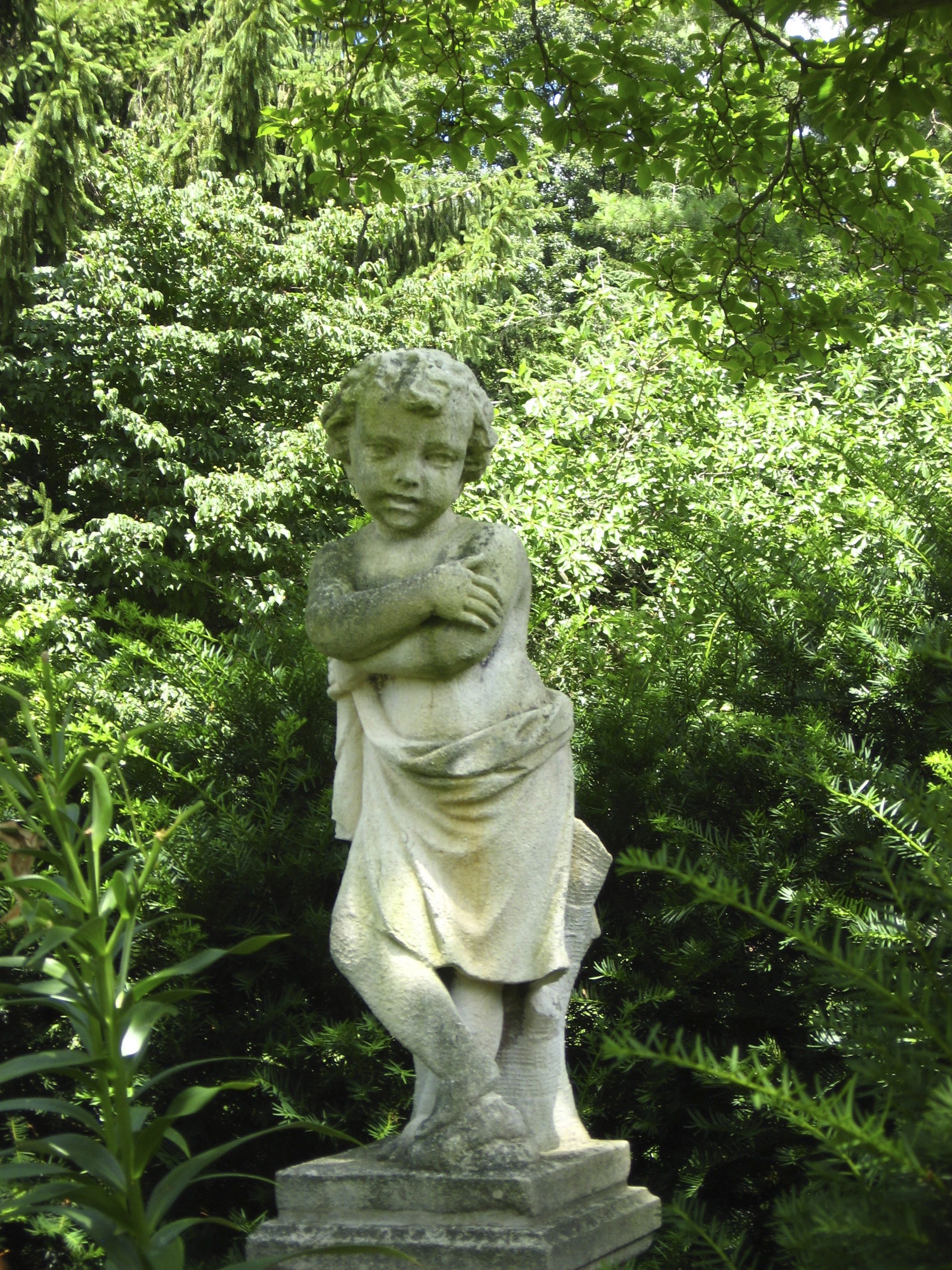
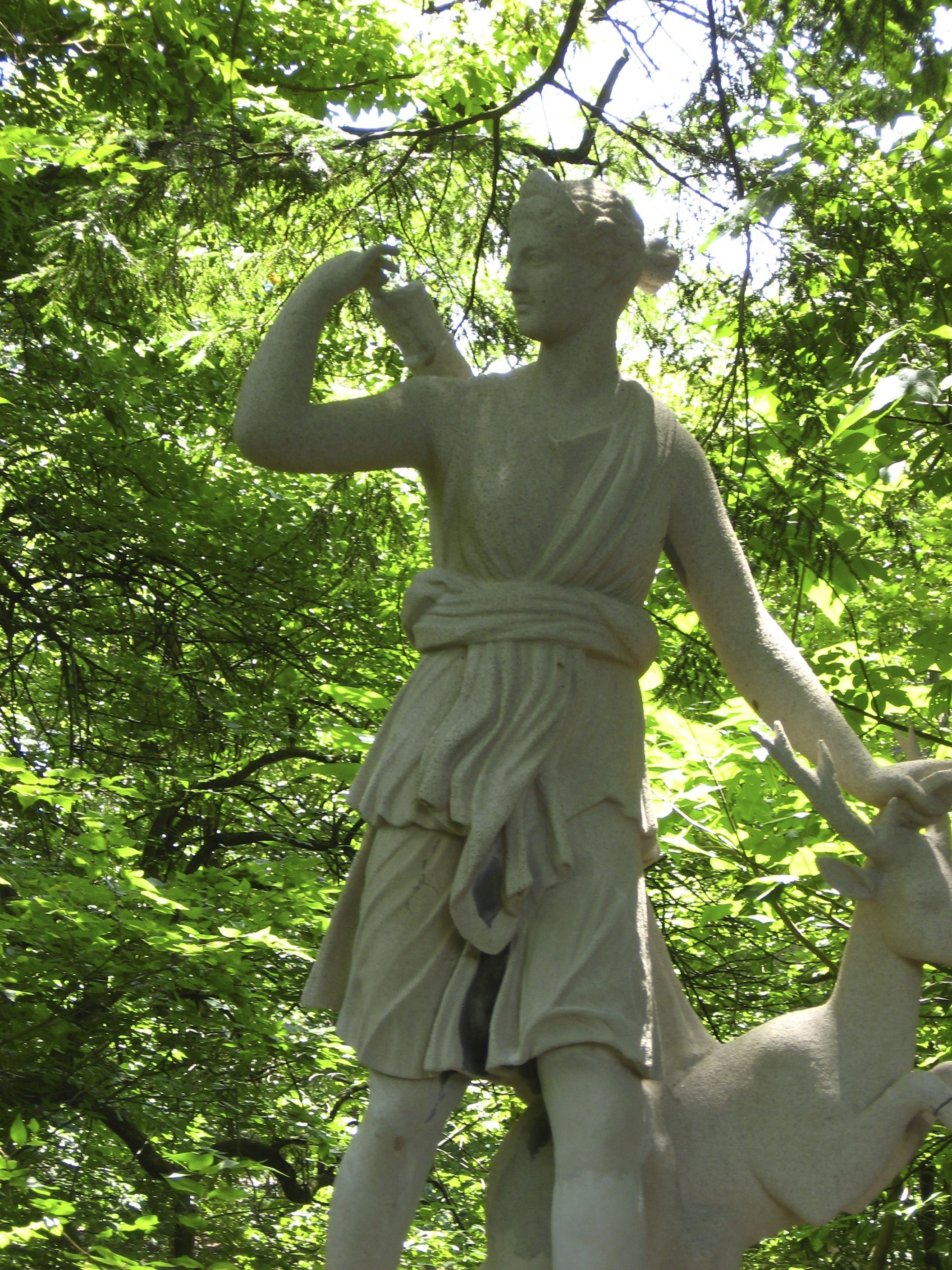
Last summer, while we were visiting my husband’s sister, we strolled through the formal gardens at the Indianapolis Museum of Art. Since I think it’s quite possible I might have to describe an estate with a formal garden in historical fiction someday, I took a lot of photographs as “just in case research.” Here are a few of my favorites:

IMG_0099

IMG_0106

IMG_0109

IMG_0077

IMG_0080

IMG_0089

IMG_0096:

9 Comments

Filed under Research

Research Photographs

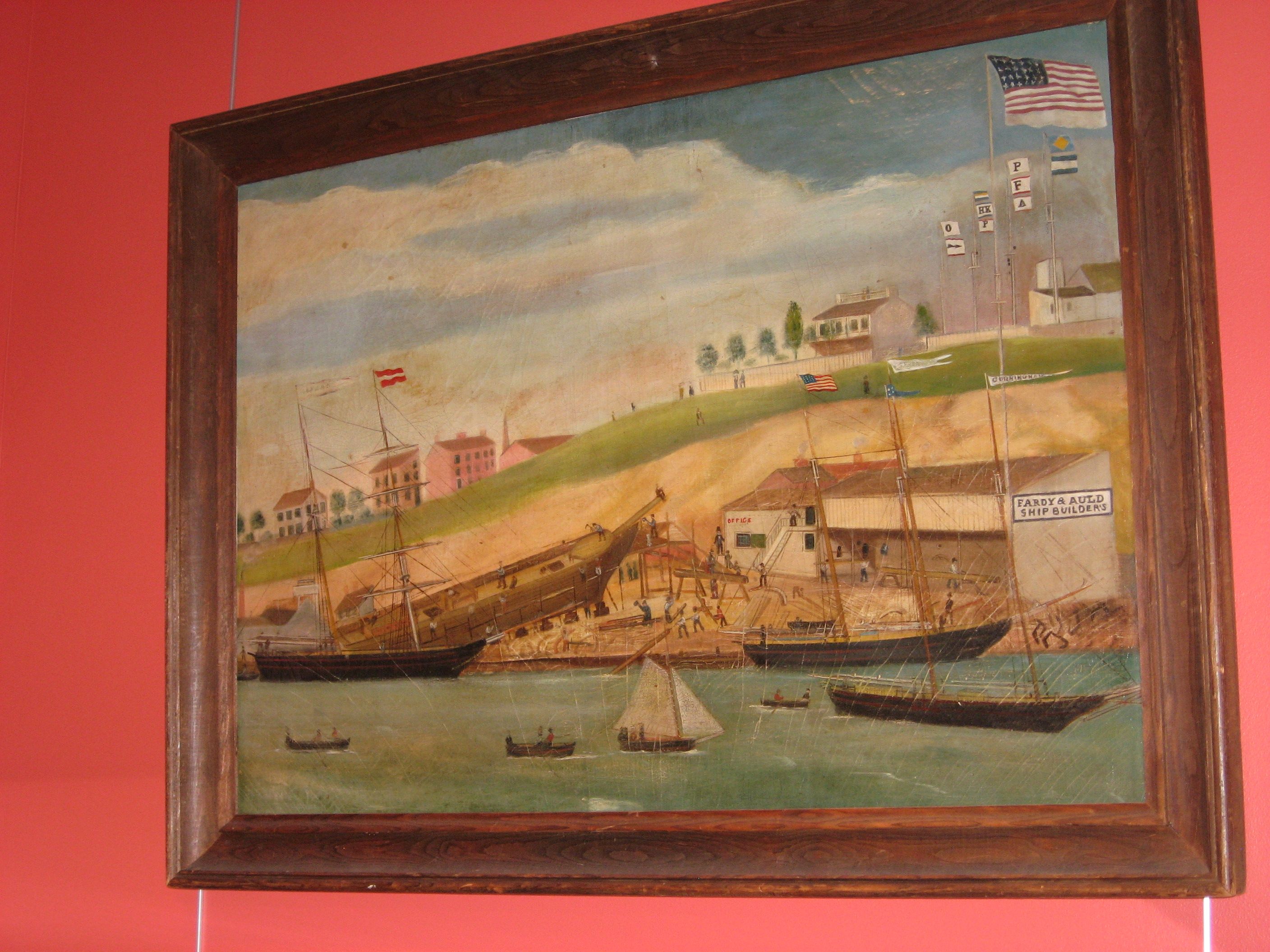
In retrospect, I wish I had taken more photographs when I took my research trip to Baltimore. The ones I did take were so helpful.

Here are a few more of the images I referred to as I wrote the novel:

Shipyard, Federal Hill, Baltimore

A Shipyard at Federal Hill, Baltimore

Baltimore

Baltimore, circa 1850

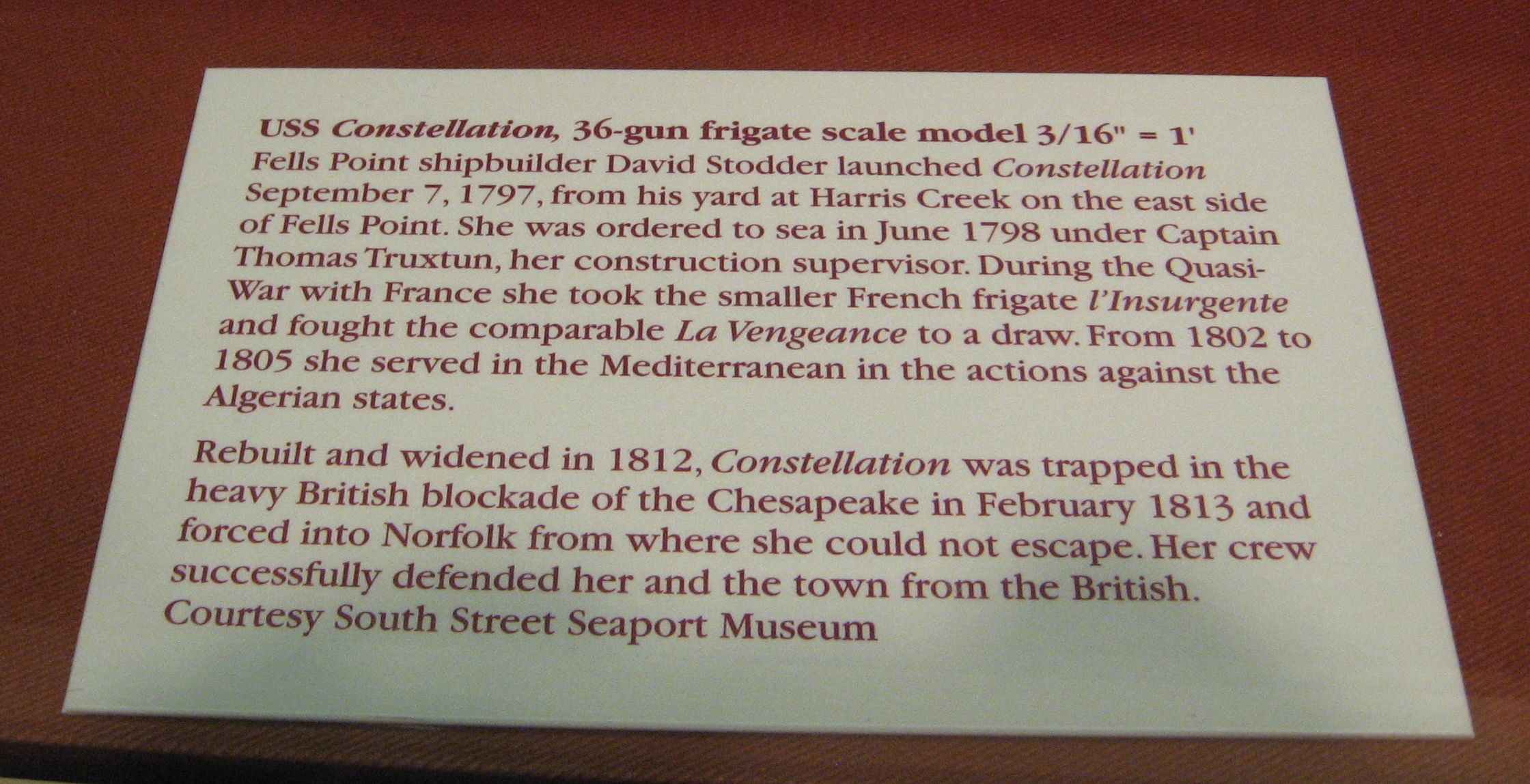
Constellation, model

Constellation, caption

Chasseur, model

Chasseur, caption

6 Comments

Filed under Research

Bonaparte Family Album

This is one of my favorite portraits of Jerome Bonaparte. I could imagine falling in love with this guy—or at least getting a serious crush on him. Usually when I needed to write love scenes between him and Betsy, I’d look at this for a while to get in the mood.

Jérôme Bonaparte - Sophie Lienard

by Sophie Lienard, via Wikimedia Commons

And I love this portrait of Napoleon because he looks so young and intense in it. Actually, he was 34 when it was painted, but to me, he looks like he’s in his early twenties. It has a very different character from the portraits made just a few years later with all the imperial trappings.

Bonaparte premier Consul Gérard Chantilly

A Portrait of Bonaparte, First Consul by François Gérard, via Wikimedia Commons

This is a portrait of their mother.

Robert Lefèvre 001

Portrait of Letizia Bonaparte by Robert Lefévre, via Wikimedia Commons

And I’ll repeat the scandalous portrait of Pauline I showed a few weeks ago.

Pauline Bonaparte 2

Portrait of Pauline Bonaparte by Robert Lefevre, Image from Wikimedia Commons

4 Comments

Filed under Research

Writing Historical Fiction: Researching Historic Ships

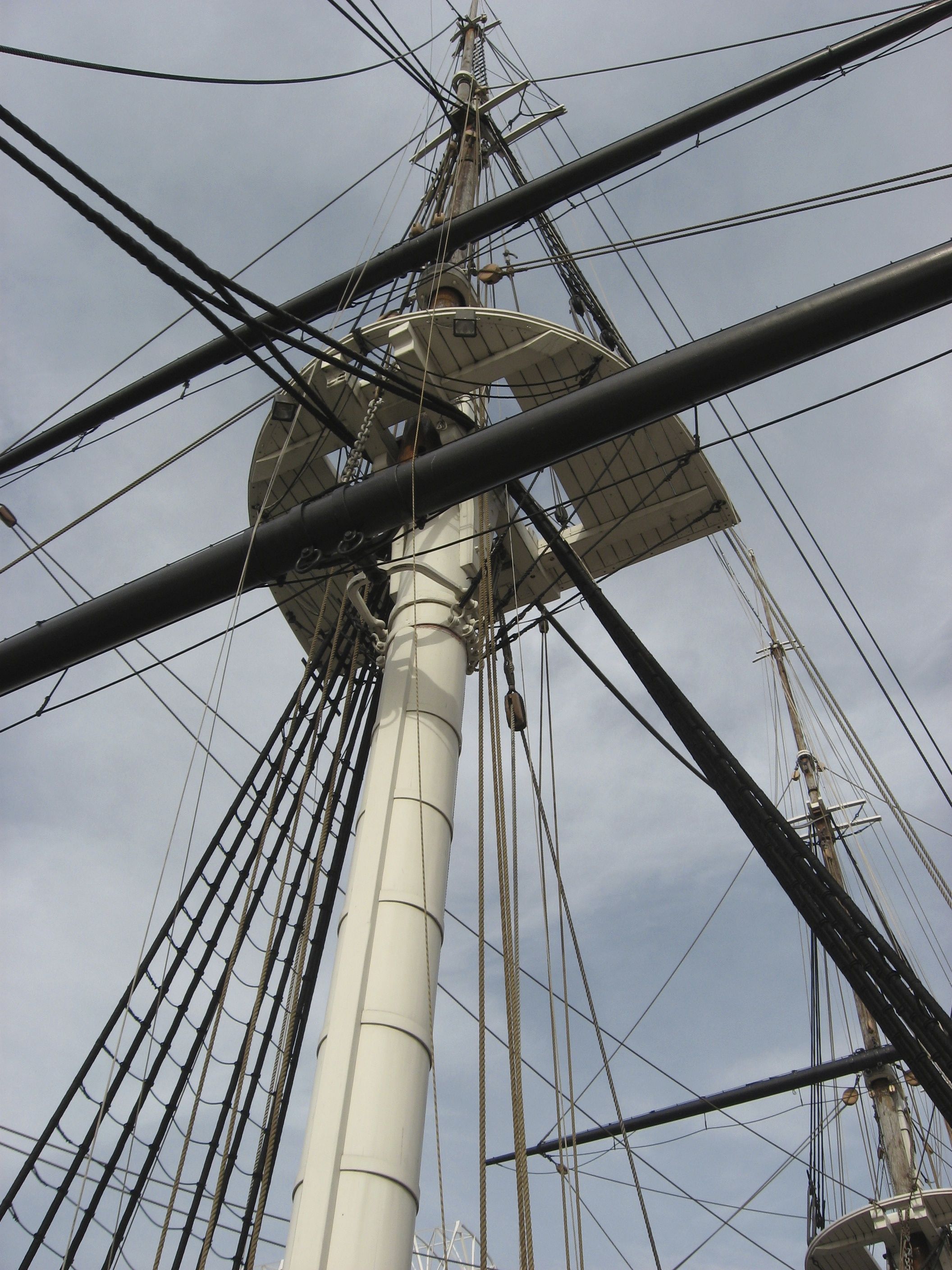
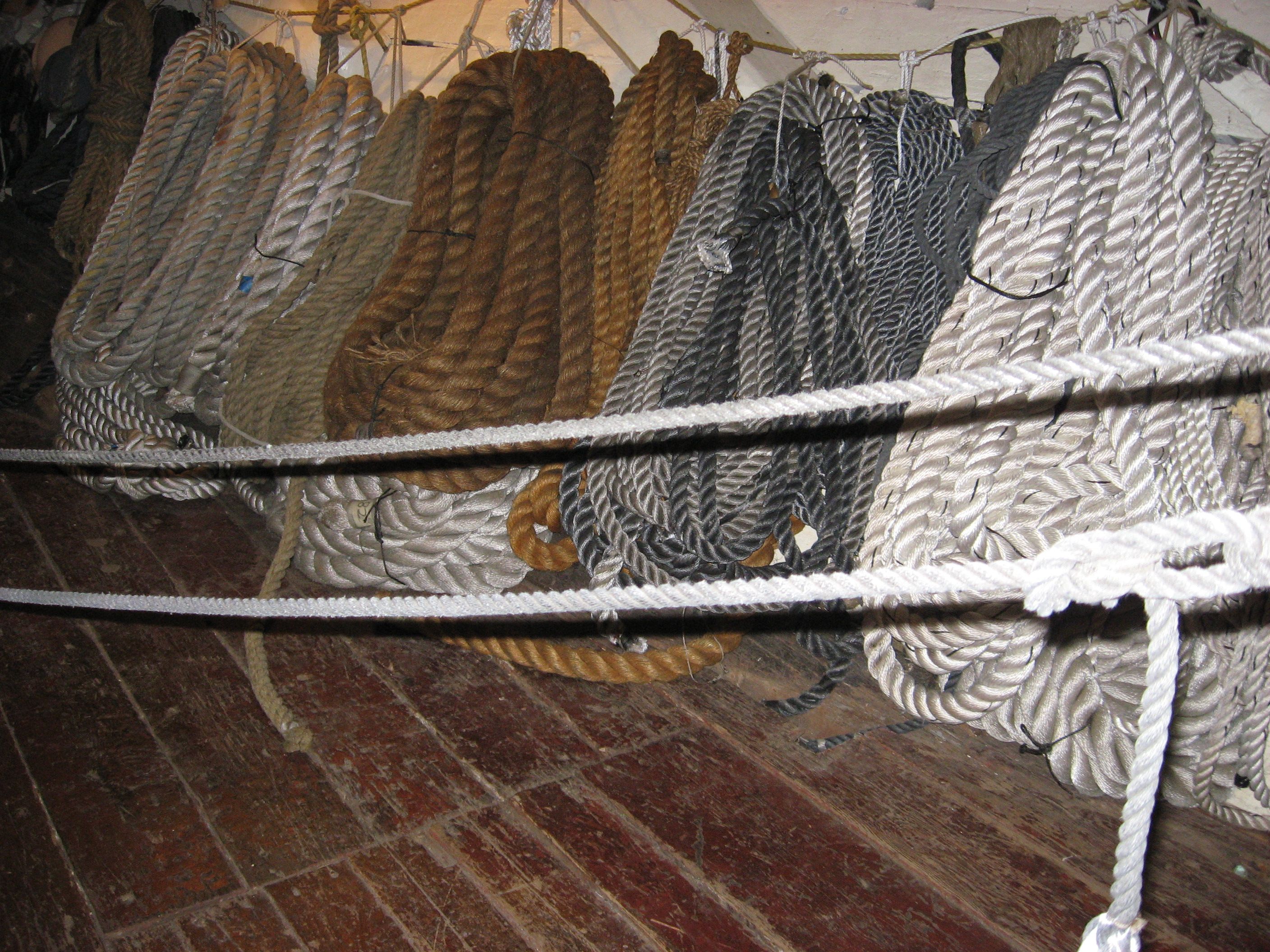
These are just a few photographs of the USS Constellation, which I took when I was on my research trip to Baltimore two years ago. It was built after the time period of my novel, but I still found the tour of the ship helpful. Clicking on each image will make it larger.

constellation

rigging

ship's wheel

cable tier

9 Comments

Filed under Research

Paying My Respects

Image

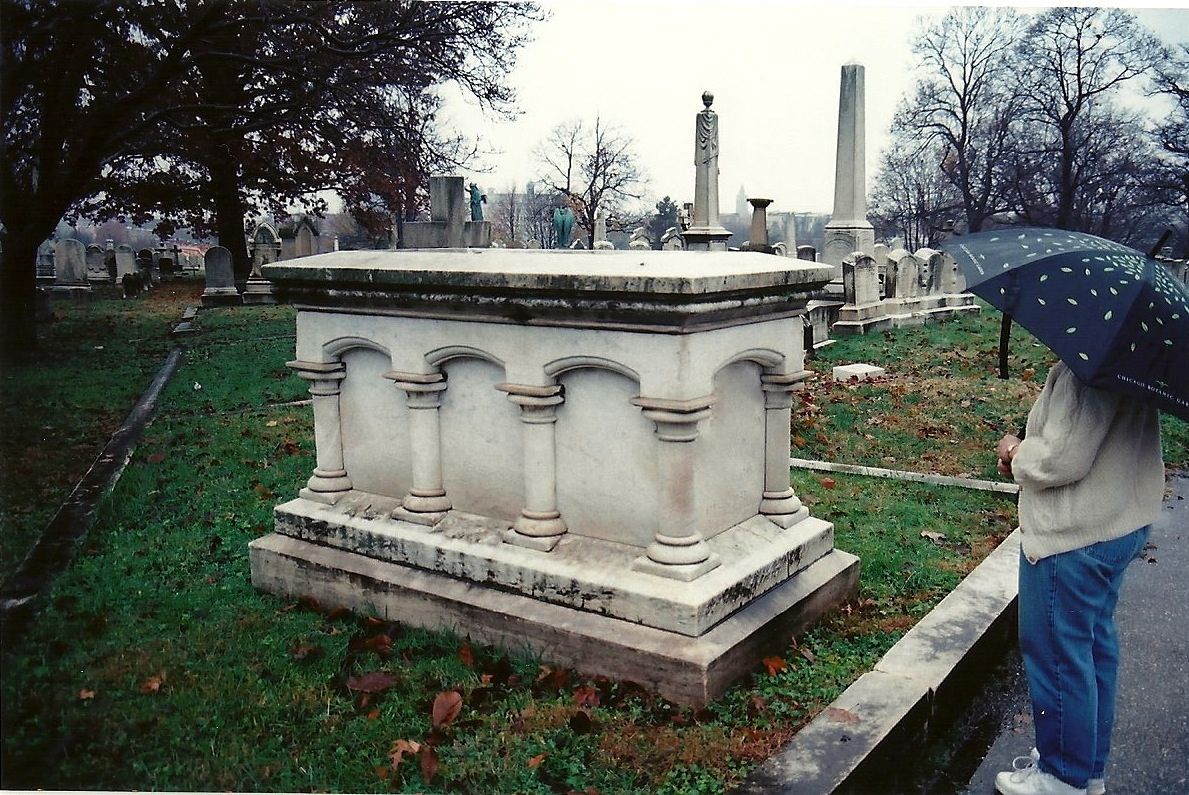
About two years ago, I started the process of writing a novel based on the life of Betsy Bonaparte. That November we traveled to her hometown of Baltimore to do research. My first full day there, I visited Betsy’s grave to pay my respects. As you can see, the grave has a high marble slab with carved columns at each corner. Misty rain was falling, and giant crows hopped from gravestone to gravestone cawing. It was like a scene out of Edgar Allan Poe. I was weeping. I promised Betsy that I would do my best to portray her fairly, without some of the stereotypes and harsh judgments that have crept into the historical records about her.

Then I found a violet blooming near her tomb. It was late autumn, yet there was a spring flower. So I picked it. I’ve never been able to smell violets. It always disappointed me bitterly as a little girl. However, the one I picked that rainy November day had a powerful scent. I took it with me to press. I still have it in a notebook I carried that week.

After leaving the cemetery, we visited a historic home that had a piece of Betsy’s furniture on display. It was a home she would have visited during her lifetime. After the tour, I found and bought a box of violet-scented powder in the gift shop. When we got back to the inn, I googled Betsy’s name and the word violet, and I discovered that the flower was associated with those who supported the Bonapartes. That was fitting. In spite of the difficulties she face, Betsy never lost her admiration for the emperor.

The whole story is eerie, n’est-ce pas? To me, it felt as thought Betsy was granting me permission to do this project. And I did my best to keep that graveyard promise to her as I wrote The Ambitious Madame Bonaparte.


9 Comments

Filed under Research