Tag Archives: Historical fiction

Building a Back Story

Yesterday, I figured out a plausible back story for the protagonist of my next novel. Like The Ambitious Madame Bonaparte, this one will be based on the life of a real women—but this story is more difficult because she left her New England home to go west and then refused to talk about her childhood because of some unspecified break with her family of origin. Historians have not even been able to identify her birth family with complete accuracy because there are three different recorded birth dates for her and two different maiden names!

Needless to say, this situation has both pros and cons. On the one hand, I get to make up her back story to suit myself, while on the other hand, the field is almost too wide open. It’s difficult to make choices that hang together properly. I’ve been struggling with it for several weeks and finally decided to read a history of the state where she grew up, which unfortunately, is one of the few states I’ve never even set foot in. Reading that book made a huge difference. I learned that the industry I thought dominated the state had all but died out by the time she was born, and something else entirely had begun to take its place. Then, about a week ago, I had an intuitive flash in which I “saw” this woman as a child in a distinctive setting. After that, everything fell into place. I now know how I’ll portray the events that brought about the unlikely occurrence of a single woman from New England leaving behind her well-established family and traveling alone to the frontier.

5 Comments

Filed under Research

Getting to Know Our Characters

I’ve been reading a lot of books to research the new novel, but I’ve also been feeling frustrated. I don’t really have a handle on the woman who’s my main character yet, and how can I start writing until I have a strong sense of who she is? I keep measuring my lack of certainty about this character against my understanding of Betsy Bonaparte, and really there’s no comparison.

Yesterday, however, I began to think that perhaps it is my memory that is failing me, not my creativity. I’m comparing how well I know Sarah, the new character, at the beginning of the writing process to how well I knew Betsy at the end of the writing process. I wish I could remember how strongly Betsy felt present to me when I was first reading her biographies, but I can’t. It seems to be a bit like what mothers say about labor; once you fall in love with that baby as a real physical person, you start to forget the pain of labor. I can’t really remember much about the early uncertainties and doubts I had about telling Betsy’s story.

As a result of that insight, I’m trying to ratchet down my expectations for this stage a bit. Once I finish reading and start developing the chapter outline and character biographies, I think things will improve. I’m sure I will get to a point where Sarah feels present to me. Plus, the real knowledge often comes in the actual writing. That’s where the characters usually start to come alive for me. That’s certainly how it worked with Betsy’s son and even with Jerome.

In some ways, I think I’m worried because I fear I won’t be able to pull off the feat of writing a novel again. But that fear is probably normal too.

If you’re a writer, what is this stage of the writing process like for you?

11 Comments

Filed under Writing

Book Review: Queen’s Gambit

Queen’s Gambit by Elizabeth Fremantle tells the story of Katherine Parr, Henry VIII’s sixth and final wife. For several reasons, she is an unlikely choice of bride. Katherine is no unmarried maiden when they wed. Henry is actually her third husband! In addition, Katherine is not young; when she marries the king, she is thirty-one (considered middle-aged in the 1540s). Her age makes her a surprising choice for a man who is desperate to sire more sons to secure the Tudor possession of the throne.

Fremantle does a good job of demonstrating the personal qualities that causes Henry to marry Katherine despite her seeming disadvantages. She can be sensible and tactful, yet she is also intelligent and brave. For example, she is not afraid to beat the king at chess. In a court full of sycophants, that honesty and courage make her stand out in the king’s eyes.

As Fremantle interprets Katherine, however, she is not always prudent. Between the death of her second husband and the offer of marriage from the king, she is swept away by passionate love for Tom Seymour, even though her first impression is that he’s too glib and self-regarding to trust. Much of the tension of the novel derives from Katherine’s fear that Henry will somehow learn of this prior love. After all, other queens before her have been sent to the block for unchastity and infidelity—real or imagined.

Several secondary characters added greatly to my enjoyment of the novel. My favorite of these was Katherine’s servant Dot, who is unschooled yet wise, observant, and fiercely loyal to her mistress. Dot’s longing for the court musician William Savage provides romantic interest during the chapters when Tom Seymour is out of the picture.

Fremantle is adept at plotting and characterization. Her descriptions offer enough period details to ground the reader firmly in the historical place and time without bogging down the prose. I can honestly say that I much preferred this book to the last one I read by Philippa Gregory, whom many regard as the queen of Tudor fiction. I’m looking forward to many more good reads by Elizabeth Fremantle.

Leave a comment

Filed under Book Reviews

More research photographs

I usually do this on Sunday, but I had something else to post yesterday. (Another review of The Ambitious Madame Bonaparte. Yeah.)

These are more of the research photos I took last summer. I’m not sure I’m actually going to need these in my next novel, but it was too fascinating not to photograph.

IMG_0166

IMG_0167

IMG_0168

IMG_0171

2 Comments

Filed under Research

New Review of The Ambitious Madame Bonaparte

The Copperfield Review, an online journal for historical fiction, just published a new review of The Ambitious Madame Bonaparte. The reviewer gave it five quills (their equivalent of stars).

While you’re at it, you might want to check out other pages on the journal. Editor Meredith Allard has put together a great publication for lovers of historical fiction.

6 Comments

Filed under Book Reviews

Outlining Historical Fiction

It feels as though I’ve been very slow at starting the new novel, mostly because of the distraction of cancer treatment. This week, however, I finally felt like I was getting somewhere. That’s because I stopped just reading about the historical background for the book. I actually started on the outline.

My method is pretty direct. I start by listing chronologically the main events from the life of the woman I’m writing about—at least, the ones that pertain to the period of the novel. Unlike The Ambitious Madame Bonaparte, which covered a time span of more than 30 years, the next book will cover only a few months. Once I have my list of actual historical events, I’ll start adding fictional episodes as needed: events that fill in the gaps of motivation and character development. The third and final step will be to sort those roughly into chapters.

I still have a lot of reading and research to do yet, including a trip this summer to the area where the action of the novel took place. But as a writer, I’m happiest when I’m juggling research and more creative activities.

I also received some really terrific news today. I heard from a state historical society that they have three photographs of the interior of my main character’s house (taken before the attacking Indians burned it). And I can purchase copies. That’s going to be an invaluable help to me as I write.

Leave a comment

Filed under Research, Writing Historical Fiction

Sunday Check In

Last week I was adjusting to daily radiation treatments, so I never got around to writing my own or reading other people’s blog posts. This afternoon, I decided that I’m not going to be able to catch up reading other blogs, so I’ll just try to start fresh tomorrow.

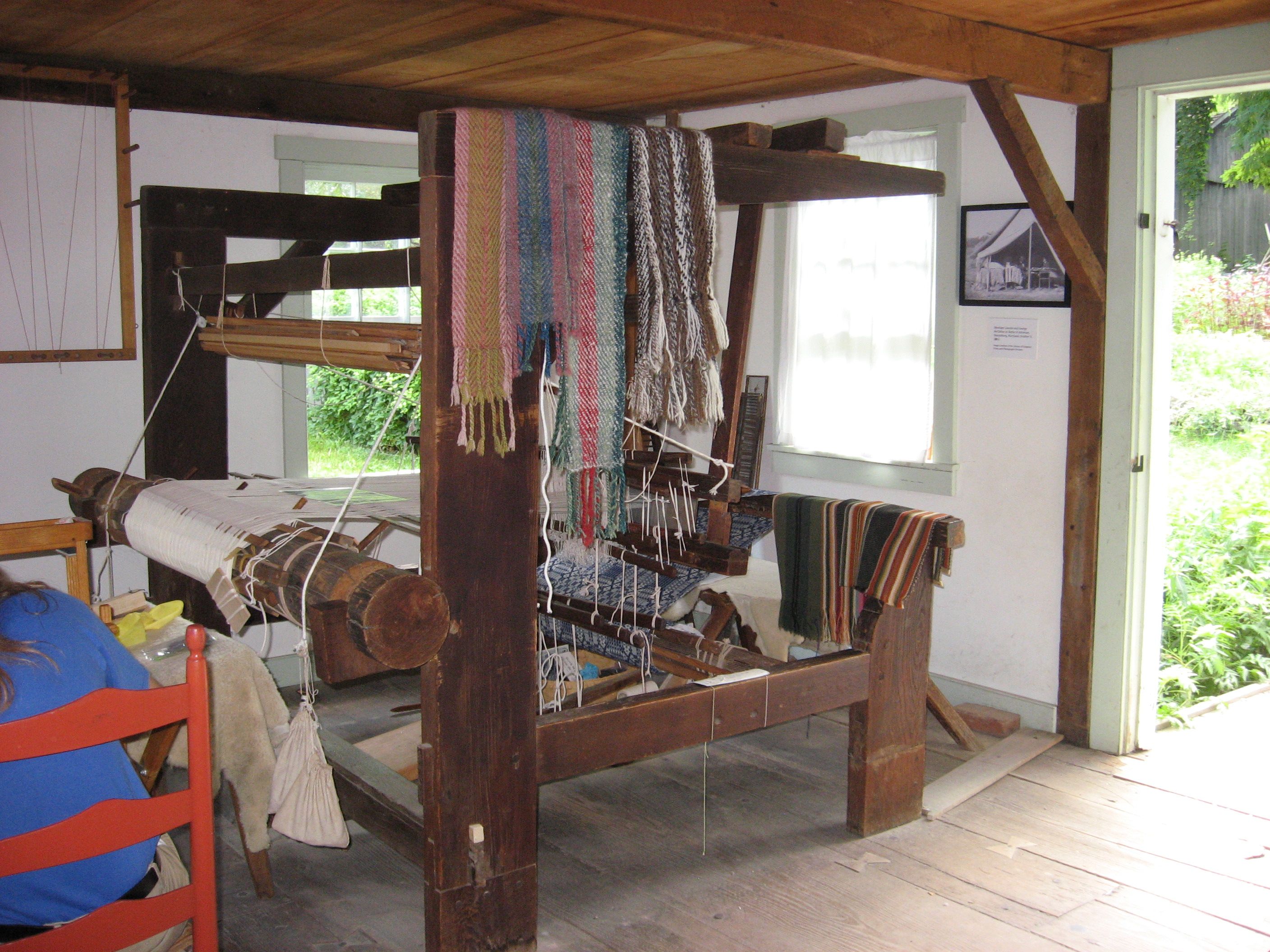
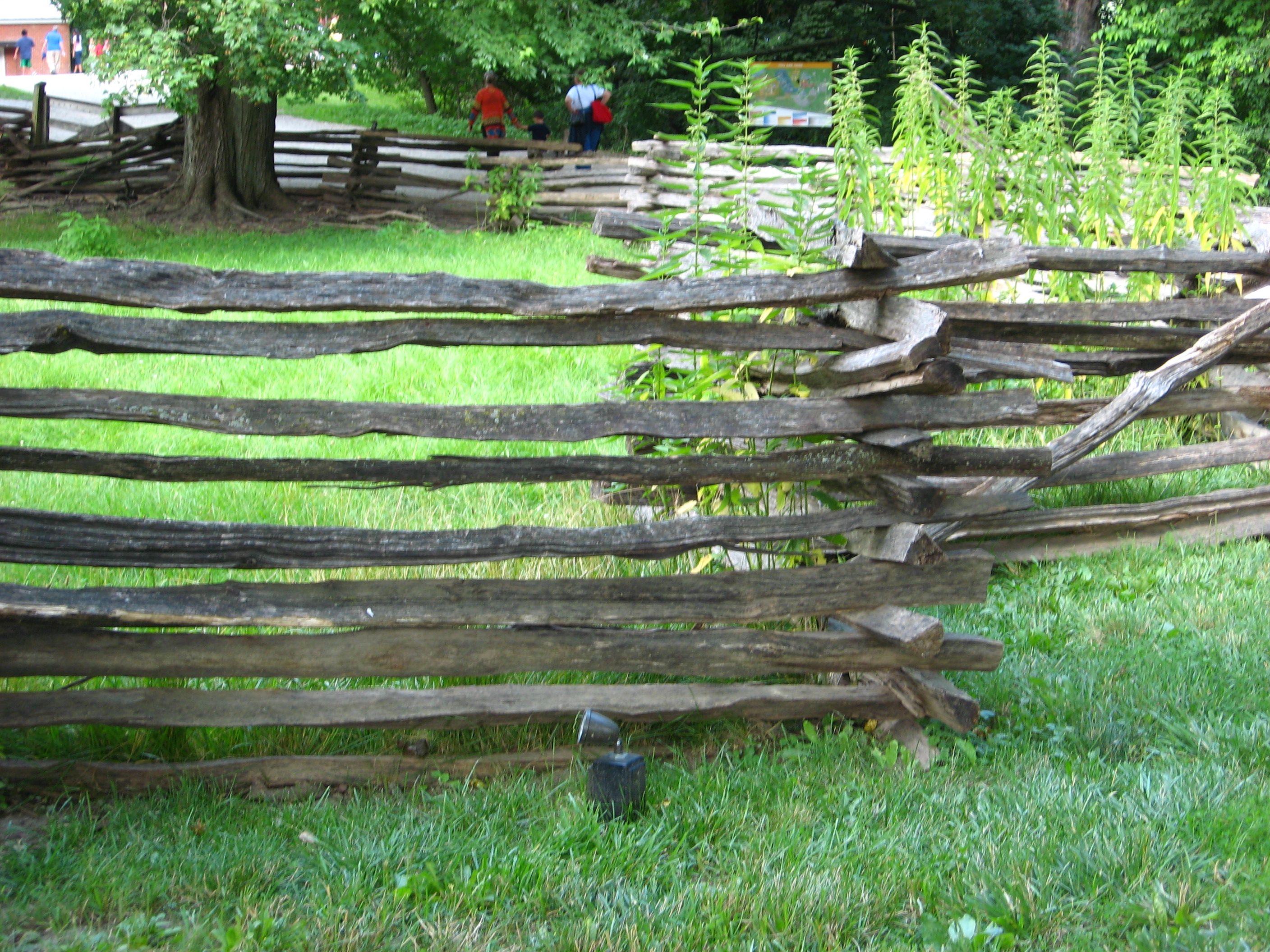
One thing I did last summer was to go to an interactive history museum as early research for my next novel, which is set in a frontier area. I think I might make it a regular practice to post a few pictures from that every Sunday. And I’ll start today.

split_rail

barn

crockery

9 Comments

Filed under 19th century life, Research

Writing Historical Fiction: Organizing Research

flags

This past week, I started doing serious research for my next book. For some reason, I’m finding this upcoming project more intimidating than The Ambitious Madame Bonaparte, which is odd because the new book will cover a much more condensed time period. Maybe I’m nervous because I have a better idea now of what researching a historical novel actually entails. Last time, I went into it with a certain naïveté.

At any rate, I want to organize my research more efficiently than I did last time. One thing I’m doing is to highlight the books I read. You have to understand that I’m someone who NEVER marks up books. This time, however, I’m highlighting important facts and details in yellow highlighter and even writing an occasional comment on the side–so far, mostly connections to other events or questions about the author’s objectivity/interpretation.

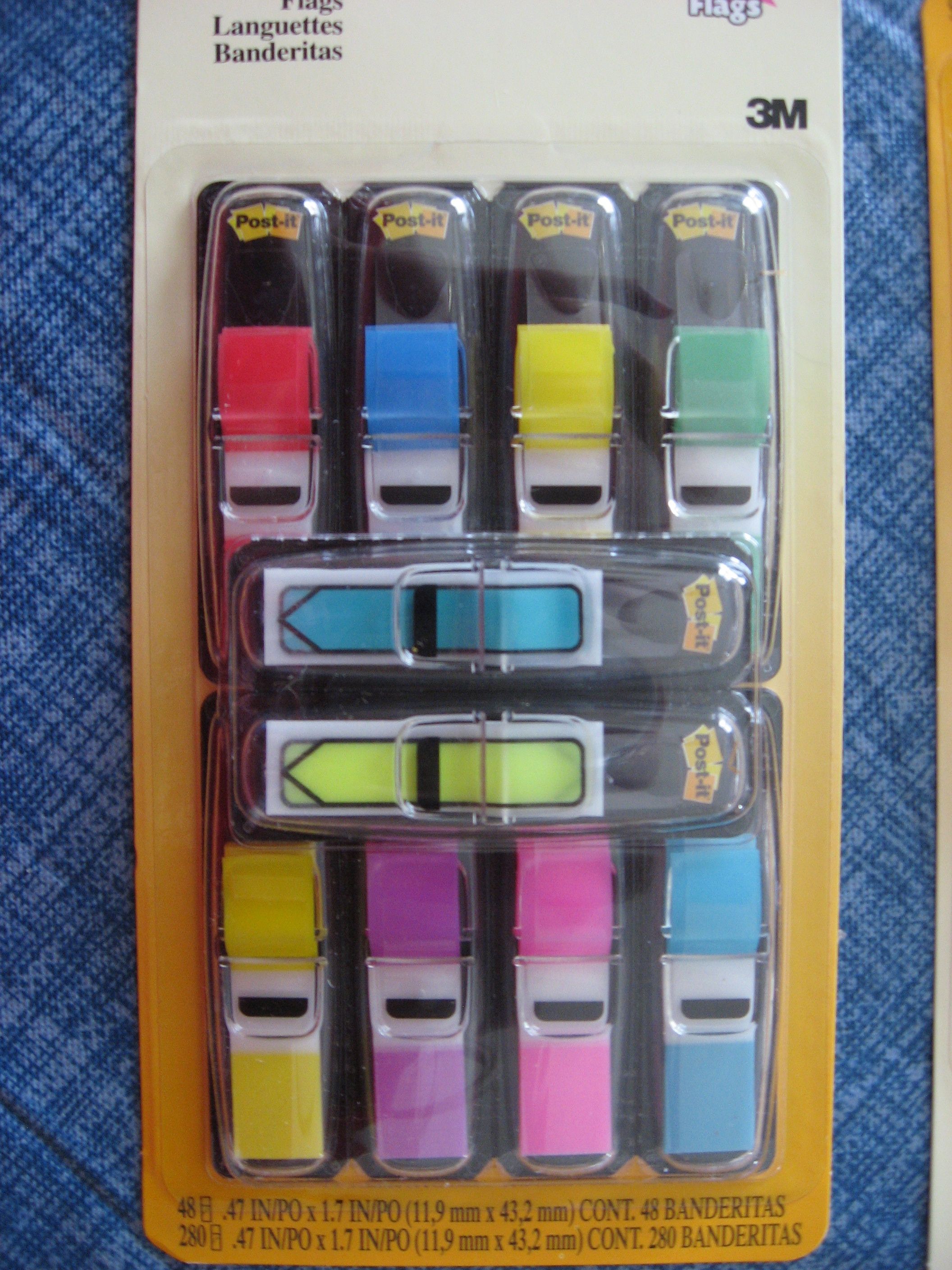
I also bought several packages of colored flags, and I plan to use them to indicate the different categories of information. Yellow for plot events, blue for information about my main character, green for details of daily life in the late 1800s, etc. Of course, I’ll do a lot of Internet research and probably set up a system of folders for book marks, maybe using the same categories, maybe others.

I’ve also realized I’m going to have to create a list of minor characters. There will be a lot of people in this book, although most will appear for only a page or so. It can’t be helped because of the nature of the historical conflict I’m portraying. Making a list will help me decide who to include and who to ignore.

That’s as far as my thinking has taken me so far. Do those of you who are writers have any other helpful tips for organizing research?

21 Comments

Filed under Writing Historical Fiction

What Inspired My Novel

Melinda over at Enchanted Spark invited me to be a guest blogger today. Please stop by her blog and read my post about the inspiration for my novel. And while you’re at it, check out her posts as well. She has some interesting things going on, including a writing contest!

Leave a comment

Filed under Writing Historical Fiction

The Ambitious Madame Bonaparte: cover reveal!

I am proud and pleased to reveal the cover for my novel:

amb-front

Here is the synopsis:

As a clever girl in stodgy, mercantile Baltimore, Betsy Patterson dreams of a marriage that will transport her to cultured Europe. When she falls in love with and marries Jerome Bonaparte, she believes her dream has come true—until Jerome’s older brother Napoleon becomes an implacable enemy.

Based on a true story, The Ambitious Madame Bonaparte is a historical novel that portrays this woman’s tumultuous life. Elizabeth Patterson Bonaparte, known to history as Betsy Bonaparte, scandalized Washington with her daring French fashions; visited Niagara Falls when it was an unsettled wilderness; survived a shipwreck and run-ins with British and French warships; dined with presidents and danced with dukes; and lived through the 1814 Battle of Baltimore. Yet through it all, Betsy never lost sight of her primary goal—to win recognition of her marriage.

Our publication date is December 2. The book can be preordered here.

12 Comments

Filed under Publishing