Neil Diamond and the Search for a New Identity

Neil Diamond 2

Neil Diamond by Iris gerh, via Wikimedia Commons

Last night, I dreamed that Neil Diamond took my husband and me to a concert. Why Neil Diamond? Who knows. He was popular during my childhood and adolescence but was never one of my faves.

For whatever reason, that’s who my subconscious picked last night. We arrived at the venue for the concert, and it was like no place a concert has ever been held before: a maze of wholly unsuitable rooms. There were rooms like cavernous church basements filled with folding chairs. There were rooms like diners with narrow booths and tables in the open spaces. There was a storage room filled with boxes.  And all these rooms were laid out in this twisting, turning floor plan like the palace in the Poe story “The Masque of the Red Death.”

Concertgoers were everywhere. The place was absolutely packed, and shortly after we went inside and began to snake our way through the crowd to find our seats, we lost Neil Diamond. He scooted on ahead, able to walk more quickly because we were carrying coolers and stuff, and he wasn’t. And he was the only one of us who knew where we were supposed to sit.

I wanted to wait at the place where we’d lost him to see if he’d come back for us, but my husband was certain we could catch up, so we set out to find him. We walked through a room where people had been pushed back from the center and were seated behind ropes as if waiting for a parade. We saw a local musician we know sitting there, and I wanted to stop and ask if he and his wife had seen Neil Diamond go by, but my husband was hurrying on. We passed through one room with a whole mass of uninstalled toilets lined up in rows. Then we went through one of the diner-like rooms, and I had to crawl over people sitting in a booth to keep up.

We never did find Neil Diamond or our seats. But just as I woke up, I realized it didn’t matter. We were already inside the concert venue. We had arrived. Maybe we didn’t know our place yet, but we would find it.

And that, my friends, is what I think the dream was telling me. You see, Monday I sent the PDF proofs of my novel back to the publisher, and yesterday, I received an email telling me that the next and final set of proofs is already on its way back to me. My book is going to be for sale soon, probably in less than a month. Instead of feeling excited and happy, I’ve been nervous. What if no one hears of it? What if no one buys it? What if those who buy it hate it?

In other words, I have my ticket and I’ve been admitted into the arena of published novelists. I have arrived, but I still don’t know what my place will be. But maybe that doesn’t matter. At least I can always say (metaphorically) that I went to a concert with Neil Diamond.

4 Comments

Filed under Publishing

Writing Historical Fiction, Part 1 by Meredith Allard

Today, I refer you to a great post by Meredith Allard in which she talks about how to pick the right setting for historical fiction:

Writing Historical Fiction Part 1.

Leave a comment

Filed under Writing Historical Fiction

Betsy’s Circle: Her Son Bo

Betsy and Jerome had one child, a son, whom Betsy  named Jerome Napoleon Bonaparte. Among his mother’s family, however, he was known as Bo.

I haven’t said much about him before because I don’t want to give away any spoilers. However, I ran across this letter the other day when I was checking something else, and I found it amusing. As it doesn’t relate to any of the events I cover in the novel, I decided to share it here. Betsy wrote it from Europe to her father and describes events that took place when her son was merely sixteen:

Bo was very much attended to by all hands in Europe, and admired by every  one. Some ladies in Rome ran after him so much that I feared his being spoiled, although he seemed quite unconscious of it, supposing probably that women old enough to be his grandmother could not be foolish enough to fall in love with him. It is certain that his beauty attracted great attention; a German princess told me that she had followed him once in Geneva, at a ball, from room to room, to look at him, and that he was the handsomest creature she ever saw. He certainly is the handsomest boy I ever saw  of his  age, and in all respects the finest creature possible. His modesty and good sense alone prevent his being spoiled, for I assure you he received attentions sufficient to have turned much older heads.

By most accounts, Betsy was a vain woman, so I think there may be a bit of mother’s exaggerated pride here. But it still tickles me to think of middle-aged princesses trailing after her son because he was so “beautiful.”

1 Comment

Filed under Extra Tidbits

Betsy’s Circle: Dolley Madison

Dolley Madison

Dolley Madison by Gilbert Stuart, via Wikimedia Commons

One of Betsy Bonaparte’s more surprising friendships was with Dolley Madison. On the surface, the two women seemed to have little in common, yet they had an amiable relationship that lasted many years. For example, while Dolley was in the White House, Betsy often looked in on Dolley’s son at his boarding school near Baltimore. And Dolley Madison once gave Betsy the commission of buying her a turban or anything fashionable on her next trip to Europe because she so admired Betsy’s taste. 

Dolley Madison, born Dolley Payne, was raised as a Quaker in Virginia. Her family moved to Philadelphia when she was a teenager. When Dolley was twenty-two, she married a young lawyer named John Todd, with whom she had two sons. Tragedy soon struck, however. The terrible yellow fever epidemic of 1793—which wiped out some 11 percent of Philadelphia’s population—killed both her husband and her younger son, who was only three months old.

Within a year, Dolley had met and married James Madison, a bachelor who was seventeen years older than she was. As the main author of the U.S. Constitution, Madison was an important political figure, so this new relationship thrust Dolley into a much different social sphere than she had been used to.

She proved to be more than up to the task. After Thomas Jefferson became president, James Madison became his secretary of state and Mrs. Madison served as the hostess for the widowed president. After eight years, Madison succeeded to the presidency, and Dolley Madison officially became the first lady. She was famous for her entertaining. The following description comes from my forthcoming novel The Ambitious Madame Bonaparte:

Under Mrs. Madison’s direction, Benjamin Latrobe had transformed the oval drawing room into a blazingly colorful salon that was the talk of Washington. Latrobe had repainted the walls sunflower yellow, highlighted moldings with strips of pink wallpaper printed with white and dark green leaves, hung crimson velvet curtains with gold tassels, and laid a carpet with a red, blue, and gold arabesque pattern. Dolley Madison held open houses every Wednesday in the lavishly decorated room. So many people attended—sometimes as many as 400 in a day—that the regular event became known as Mrs. Madison’s “crush or squeeze.”

Dolley Madison became a beloved national hero during the War of 1812. When it became evident that the British were going to take Washington, D.C., in August 1814 and that it would not be possible to protect the President’s Mansion, Dolley stayed to oversee the removal of as many precious and important items as possible—including a full-sized portrait of George Washington. It is this action for which she is best remembered today.

Gilbert Stuart - George Washington - Google Art ProjectGeorge Washington by Gilbert Stuart, via Wikimedia Commons

Although Dolley and James Madison remained devoted to each other, Dolley did have one major sorrow. Her surviving son Payne Todd was an irresponsible alcoholic. His behavior was a trial to his mother, particularly after James Madison’s death. Because of Payne’s heavy spending, Dolley Madison spent much of her later years in poverty.

4 Comments

Filed under Extra Tidbits

The Oldest Surviving Song

My husband and I are movie buffs, and one genre we like to watch on occasion is a well-done sword-and-sandal movie epic. Partially, that’s because my husband first fell in love with movies when his grandmother took him to see Ben Hur when he was six years old. Spartacus and The Ten Commandments (in all its campy glory) are also favorites around our house.

If you watch films like that often enough, you start to believe that we know what ancient music sounded like. The Roman army used a lot of drums and brass with a slightly discordant sound, just as they did in Ben Hur. The ancient Israelites played the lyre and sang in a minor key like Lilia in The Ten Commandments.

Um, no. Those scores were just some Hollywood composer’s idea of what ancient music sounded like. In some ways, music is the most transient of all art forms. Even if there are written records of ancient compositions, they’re no good to us because the knowledge of how to read most musical notation systems has been lost.

That’s why I was so interested yesterday to read that there is a two-thousand-year-old song that has not only survived but has even been recorded recently. You can hear it here:

Isn’t that cool?

According to a BBC article, the breakthrough came because scholars have found some ancient documents that described a vocal notation system and explained how different pitches in the scale related to each other. We know what the instruments looked like because of vases and other ancient art, so we can recreate them. And we have a short song by a composer name Seikilos that was inscribed on a marble column about 200 C.E. That’s the song in the You Tube recording.

This post on the History Blog features another version of the same song, this time with someone singing the lyrics.

However, to me, these two versions sounds rather different, so maybe there’s still a bit of mystery here after all.

3 Comments

Filed under Historical Oddities

Just in Case Research

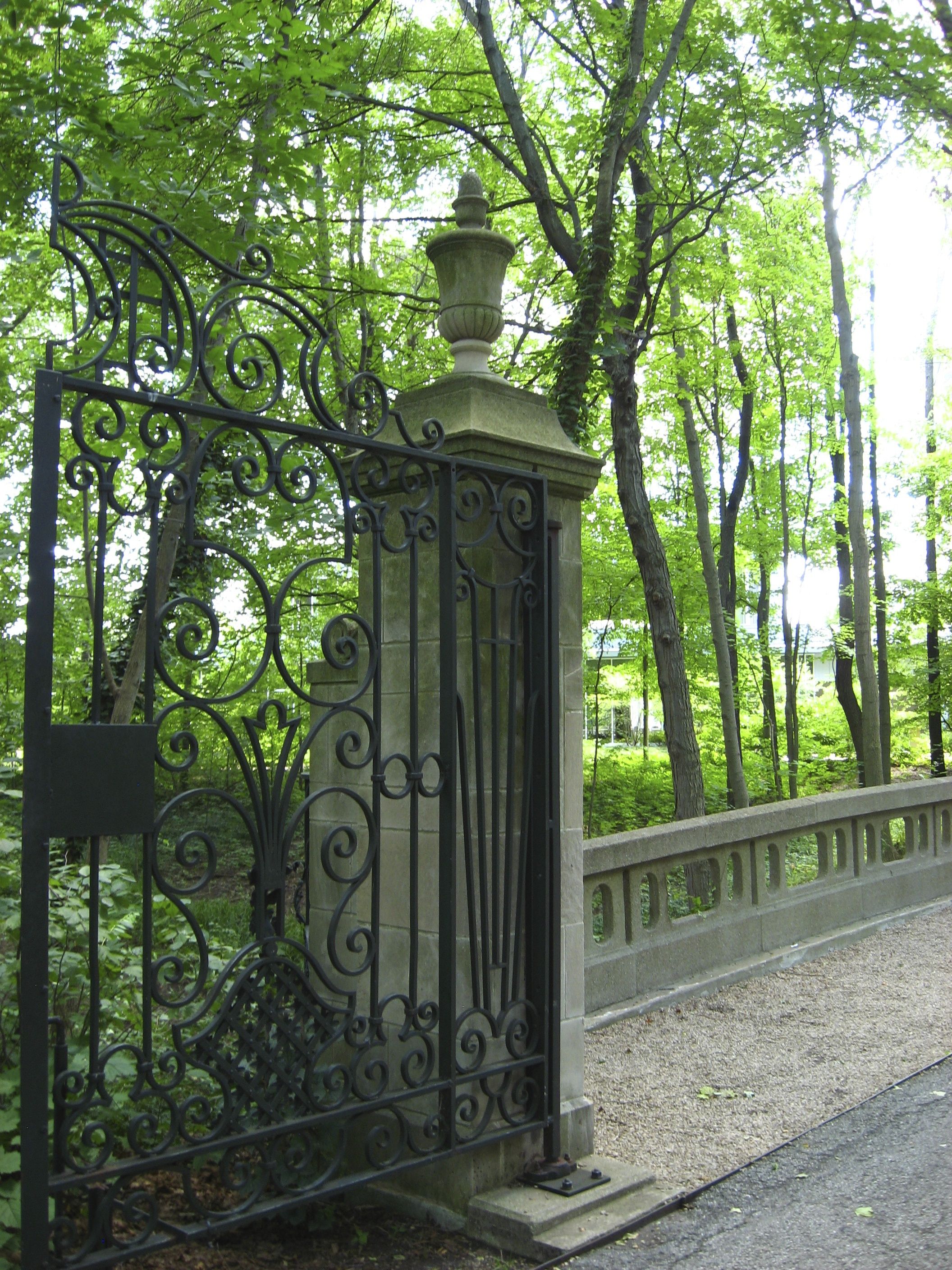
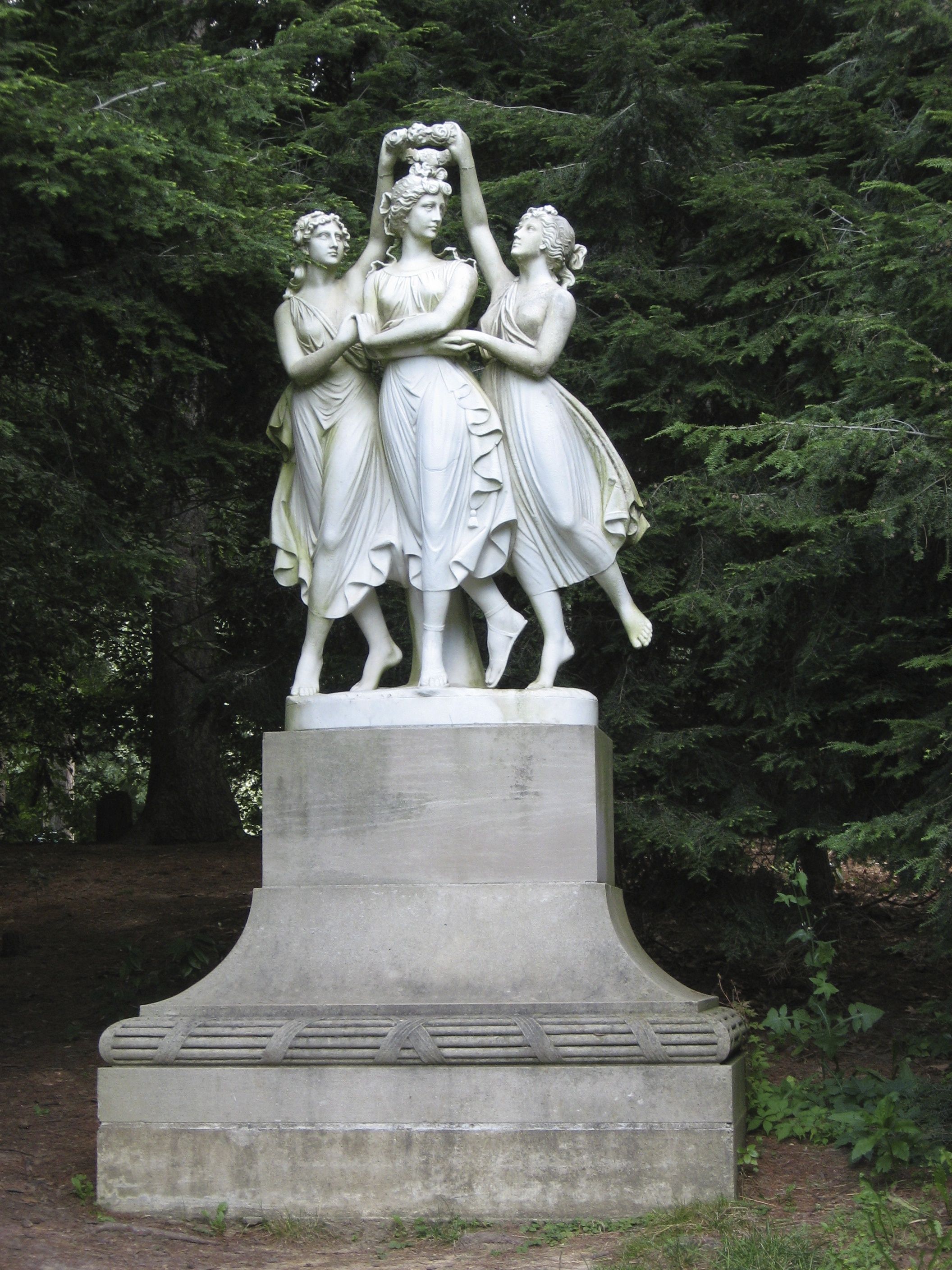
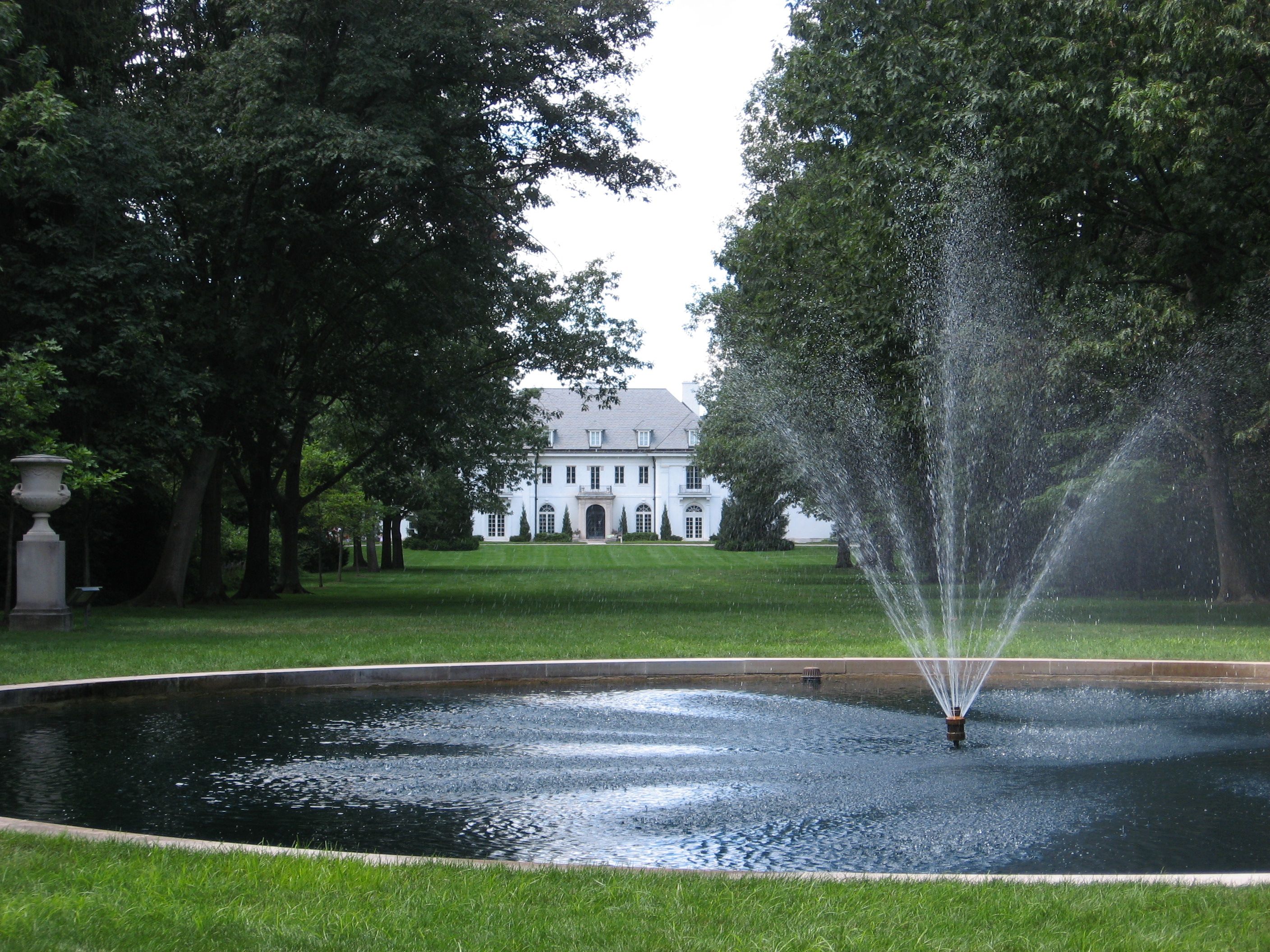
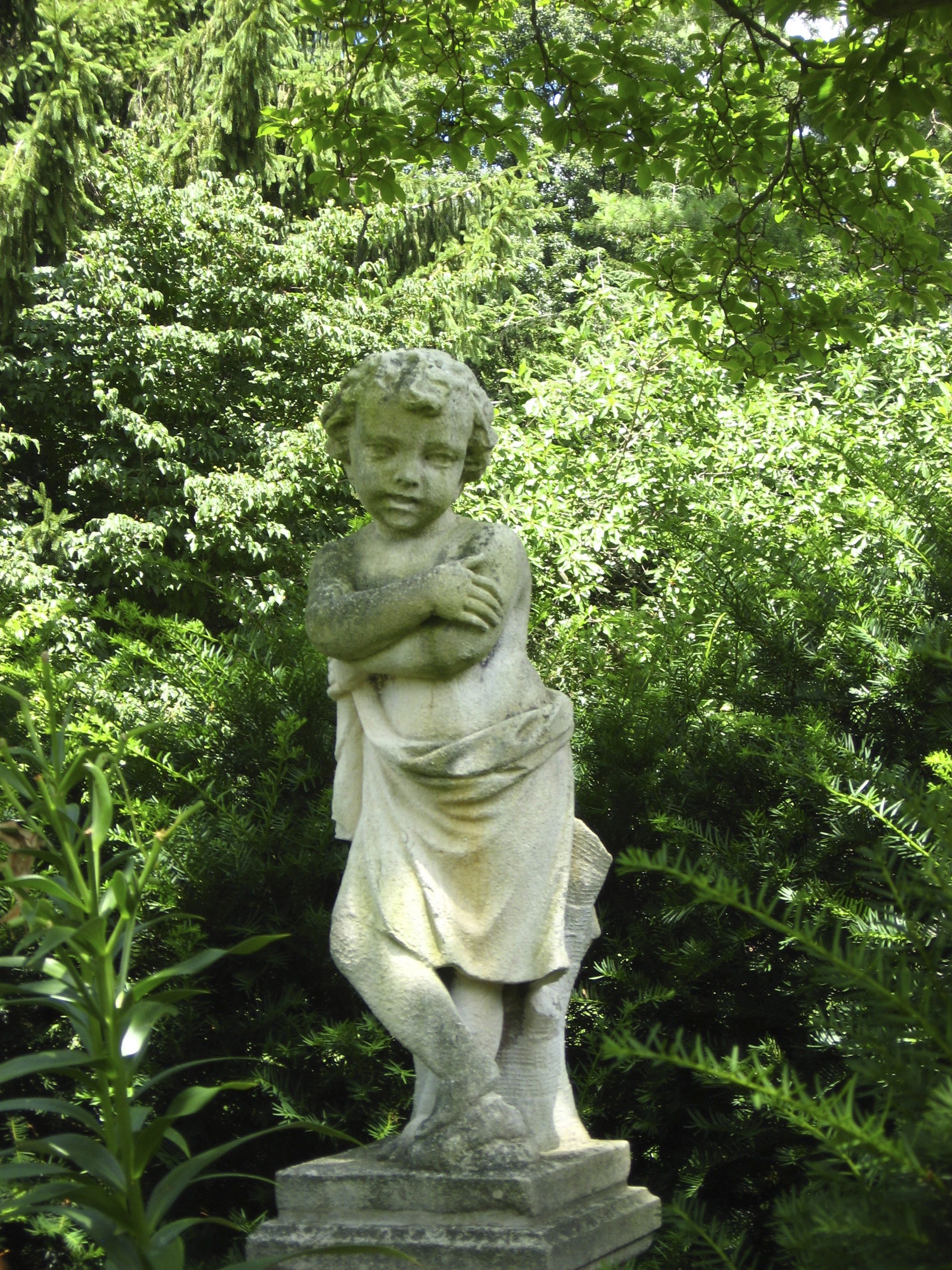
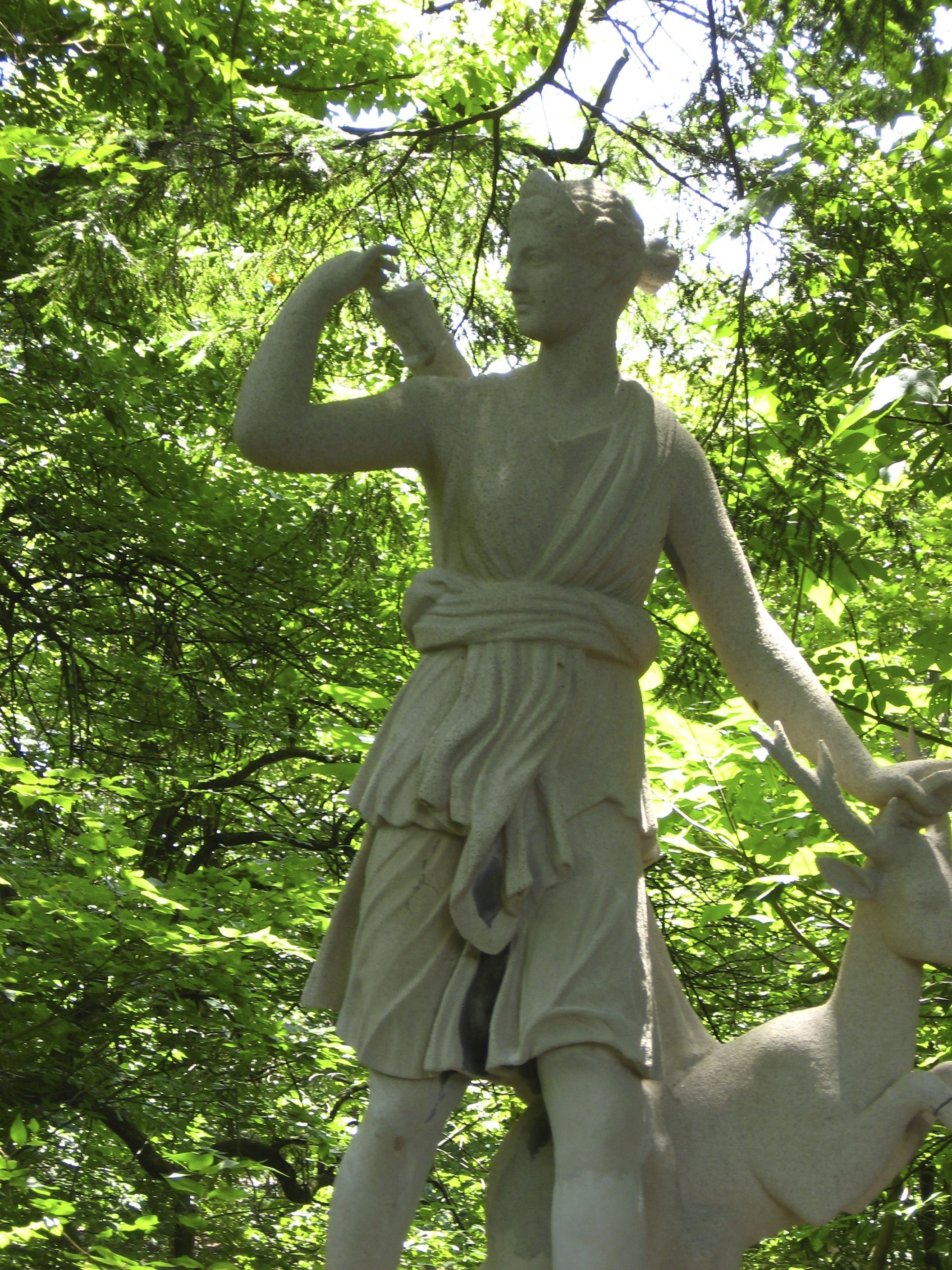
Last summer, while we were visiting my husband’s sister, we strolled through the formal gardens at the Indianapolis Museum of Art. Since I think it’s quite possible I might have to describe an estate with a formal garden in historical fiction someday, I took a lot of photographs as “just in case research.” Here are a few of my favorites:

IMG_0099

IMG_0106

IMG_0109

IMG_0077

IMG_0080

IMG_0089

IMG_0096:

9 Comments

Filed under Research

Check this out!

A couple of my articles about writing historical fiction have been published by Copperfield Review, an online literary journal devoted to historical fiction.

This link will take you to the nonfiction page, but the journal also publishes fiction, which you can access via the tab at the top of the screen.

6 Comments

Filed under Writing Historical Fiction

And the Real Letter Is . . .

In relation to yesterday’s post, the real Betsy Bonaparte letter is this one:

I shall go to America if you think there is the least necessity for it. Let me know everything about my finances. Do read as much as you can, and improve in every way. I ask you to reward my cares and anxieties about you, by advancing your own interests and happiness. I am very uneasy about you, and almost blame myself for not going with you to take care of you, and shall never forgive myself if you meet any accident by being alone.

The version I use in the novel is actually longer. Here’s another bit of it that I cut from the beginning, which I find amusing:

They have sent me a bill for six hundred cigars you took at Leghorn [the port of Livorno in Italy]. For heaven’s sake spend as little money as possible.

Bo was only sixteen at the time. I just love the idea that teenagers were still the same two hundred years ago; as soon as Mom’s back was turned, Bo went overboard on something he really wanted and had no sense of proportion about how much money he was spending.

Thanks to everyone who participated in my little guessing game. It was very reassuring to find that my letters didn’t stand out as twenty-first century fakes!

2 Comments

Filed under Writing Historical Fiction

Writing Historical Fiction: Using (and Faking) Old Letters

As I mentioned the other day, Betsy Bonaparte’s life is well documented. Many of the biographies about her quote extensively from her letters, and I include excerpts of some of them in my novel.

But there were also times when I couldn’t find a letter that said what I needed for the story, so some of the letters in my novel are fictional, written by yours truly. Trying to imitate that nineteenth century style was an exceptionally enjoyable exercise.

Below are two different letters written from Betsy to her son Bo when she was in Europe and he was in the United States. One is authentic, the other is one of mine. (I’m not saying which is which.)

This first one was written when Bo is still a young boy:

Being separated by the Atlantic is as disagreeable to me as it is to you, but I must do what is necessary to secure your future. Reward all my cares for you by studying as hard as you can, so that when I come home I will find that you have proven yourself worthy of the Bonaparte name. I love you, and I shall not rest easy until I can be with you again and look after you myself.

This second one was written shortly after Bo has traveled along to America to begin his studies at Harvard:

I shall go to America if you think there is the least necessity for it. Let me know everything about my finances. Do read as much as you can, and improve in every way. I ask you to reward my cares and anxieties about you, by advancing your own interests and happiness. I am very uneasy about you, and almost blame myself for not going with you to take care of you, and shall never forgive myself if you meet any accident by being alone.

If anyone cares to guess which letter is which, I’ll post the answer in the comments sometime tomorrow.

11 Comments

Filed under Writing Historical Fiction

The Ambitious Madame Bonaparte: Progress Report

I’ve finally turned in every last piece of The Ambitious Madame Bonaparte I need to send to production. The last two pieces to go were the table of contents and the back cover synopsis.

We have finalized the cover design. We did our interior design work weeks and weeks ago.

All the chapters have been poured. The designer says it’s looking good, and she has given me a page estimate. She’s also been sending me questions about the end matter. (I have to have a copyright page because of the real letters and documents I quote, plus I’ve included a bibliography of my main sources and a set of reader’s discussion questions.)

I haven’t heard yet what our projected publication date will be. However, the designer has been working much more quickly than I anticipated, and she’s supposed to send me PDFs of the book today or tomorrow.

I feel like I’m sledding down a hill, slightly out of control, with the wind rushing in my ears. Soon, very soon, I am going to be a published novelist. It still doesn’t seem real, but I guess the only thing to do at this stage is to enjoy the ride.

9 Comments

Filed under Publishing