Tag Archives: research

Thinking About Act Two

Thinker Philadelphia

When I think about starting my next book, I find myself torn between two different ideas. I may do both eventually; the problem is in deciding the order.

The first idea–which I’ll call Cécile’s story—builds off some of the research I did for The Ambitious Madame Bonaparte (AMB). The time period and the locations are similar. The plot would be quite different. Unlike AMB, it wouldn’t be based on real people. The story I have in mind was inspired by the life of a couple of women I read about, but it diverges significantly from real events.

The second idea—which I’ll call Sarah’s story—is based on the memoir of a real woman caught in a real conflict. It is set in a different place and a later time period. I have a stack of books in my office that I purchased to research this particular event.

Pros and cons?

Both books would focus on women in time of war / conflict. Both deal with issues that intrigue me.

I suspect that Cécile’s story may be less commercial than Sarah’s, which has more action and more external conflict. If I wrote Cécile’s story next, I will likely get “branded” as someone who writes about  one particular period and one particular set of locations. Since I don’t want that to happen, it might make more sense to do this as my third book.

I was actually intending to start Sarah’s story this fall. However, I need to take a research trip that, for reasons related to the plot, has to take place in summer. We intended to go in August but weren’t able to swing it because of our work schedules. That setback seems to have deflated whatever mojo I had for the project. I keep telling myself if I start the book research, the drive will come back, and then I can do the research trip (which mostly relates to setting details) next year. My inner muse remains stubbornly unconvinced.

For whatever reason, Cécile’s story is the one tugging at my imagination. It will require just as much research, but at this point, I’m not planning a trip to do any of it. Yet, I remain troubled by the suspicion that it doesn’t have the same marketable hook of Sarah’s story or AMB, for that matter. (I’m not totally sure of that though. I have thought of one idea that could ramp up interest in it.)

And so I dither and tell myself I’m just too busy  with the last details of AMB and a too-full freelance schedule to start anything new.

One of these days soon, however, I’m going to have to make a decision and commit to it. Otherwise, I run the risk of AMB being an only child.
6 Comments

Filed under Writing Historical Fiction

Research Photographs

In retrospect, I wish I had taken more photographs when I took my research trip to Baltimore. The ones I did take were so helpful.

Here are a few more of the images I referred to as I wrote the novel:

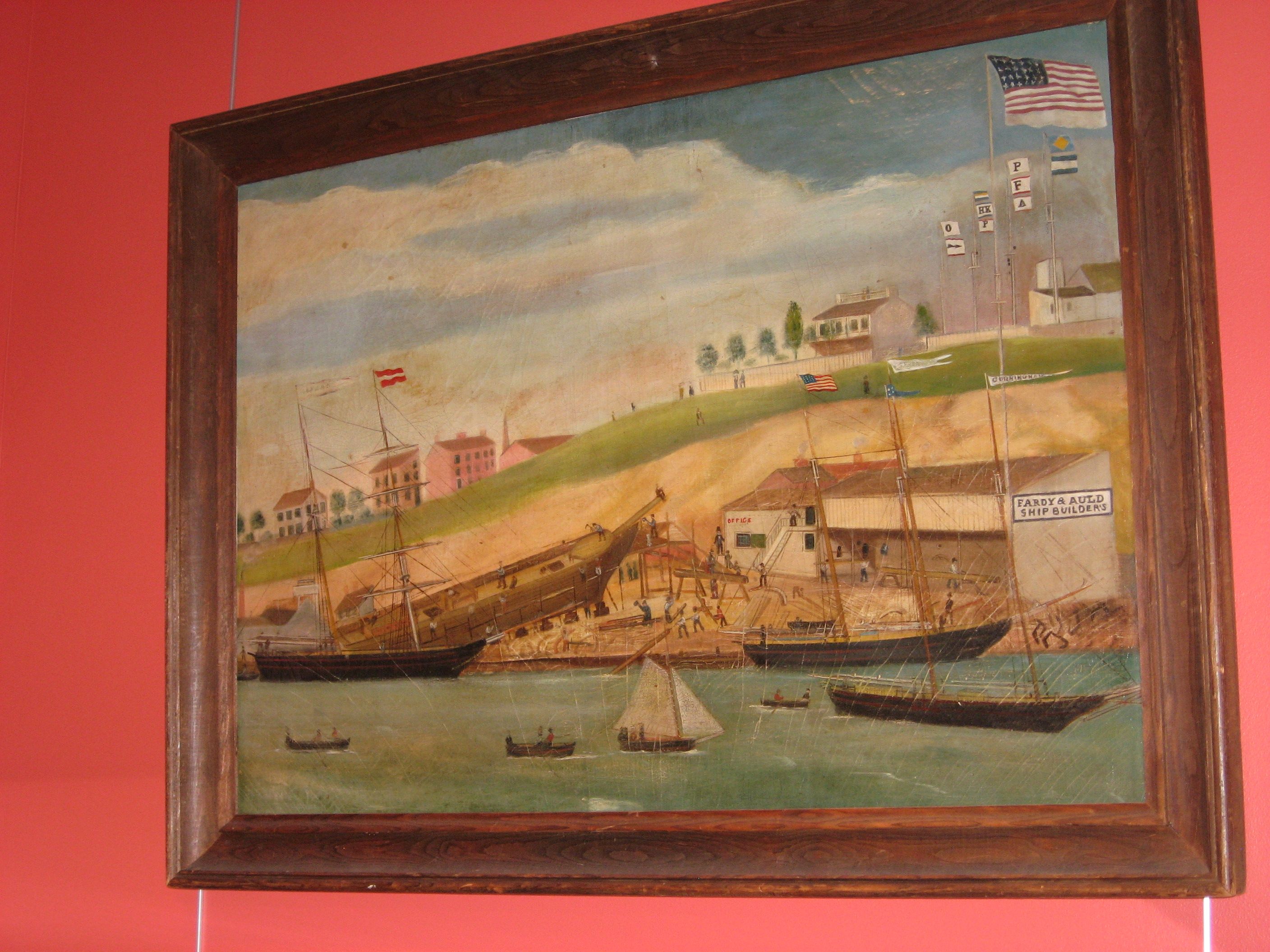
Shipyard, Federal Hill, Baltimore

A Shipyard at Federal Hill, Baltimore

Baltimore

Baltimore, circa 1850

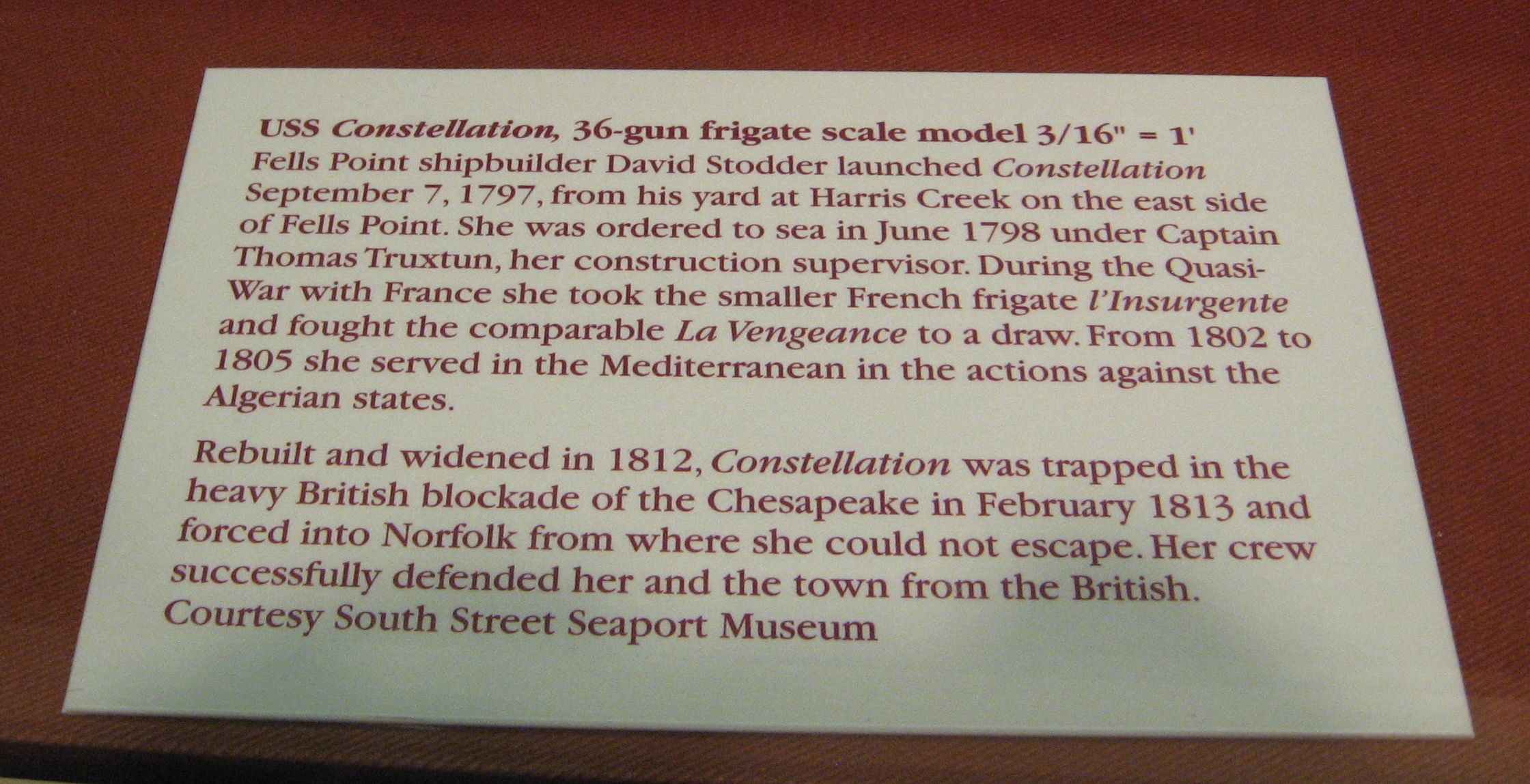
Constellation, model

Constellation, caption

Chasseur, model

Chasseur, caption

6 Comments

Filed under Research

Artifacts of a Life

Just a few accessories that belonged to the real Betsy Bonaparte, with a portrait showing her wearing the tiara. She was 37 or 38 and living in Europe when the painting was made.

accessories

Everytime I see the photograph of this jewelry and small handbag, I think how fashionable they would have been in the 1960s!

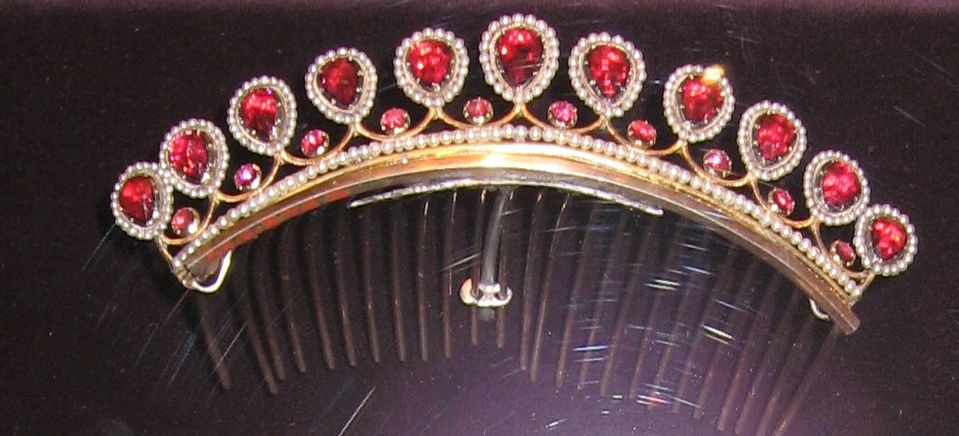
tiara

This tiara features seed pearls and garnets.

heroine

Painting in the collection of the Maryland Historical Society, photograph by Michael Chatlien, 2011

4 Comments

Filed under Extra Tidbits

Writing Historical Fiction: Period-Appropriate Language

Today, I simply want to share a tool that I found very helpful while I was writing my novel—a website called the Online Etymology Dictionary. It’s a great resource for writing historical fiction. Every time I wondered if a certain word was appropriate for my 19th century characters to use, all I had to do was look it up on that website, and I’d learn when the word came into use and how its meaning evolved over time.

The site contains some fascinating information. For example, I knew from Betsy’s letters that she used the exclamation Fudge! What I didn’t know until I looked it up was that the expression didn’t originally come from the candy. It came from a man’s name—Captain Fudge, who was known for telling lies. That reputation gave rise to sailors using the term fudge whenever they thought they were being told lies or nonsense.

6 Comments

Filed under Writing Historical Fiction

Writing Historical Fiction: Researching Period Furniture

The following photographs are pictures I took of period furniture displayed in the Maryland Historical Society. During the writing of the novel, I had to do a lot more research than this, but it gave me start.

bed and bed steps

Notice that the bed steps open up to reveal a potty seat — for when nature calls in the middle of the night. (I seem to be pursuing a theme this week!)

sidechair

Bejamin Latrobe designed this chair for Dolley Madison to use in the drawing room of the President’s Mansion. (It wasn’t called the White House until after the War of 1812.)

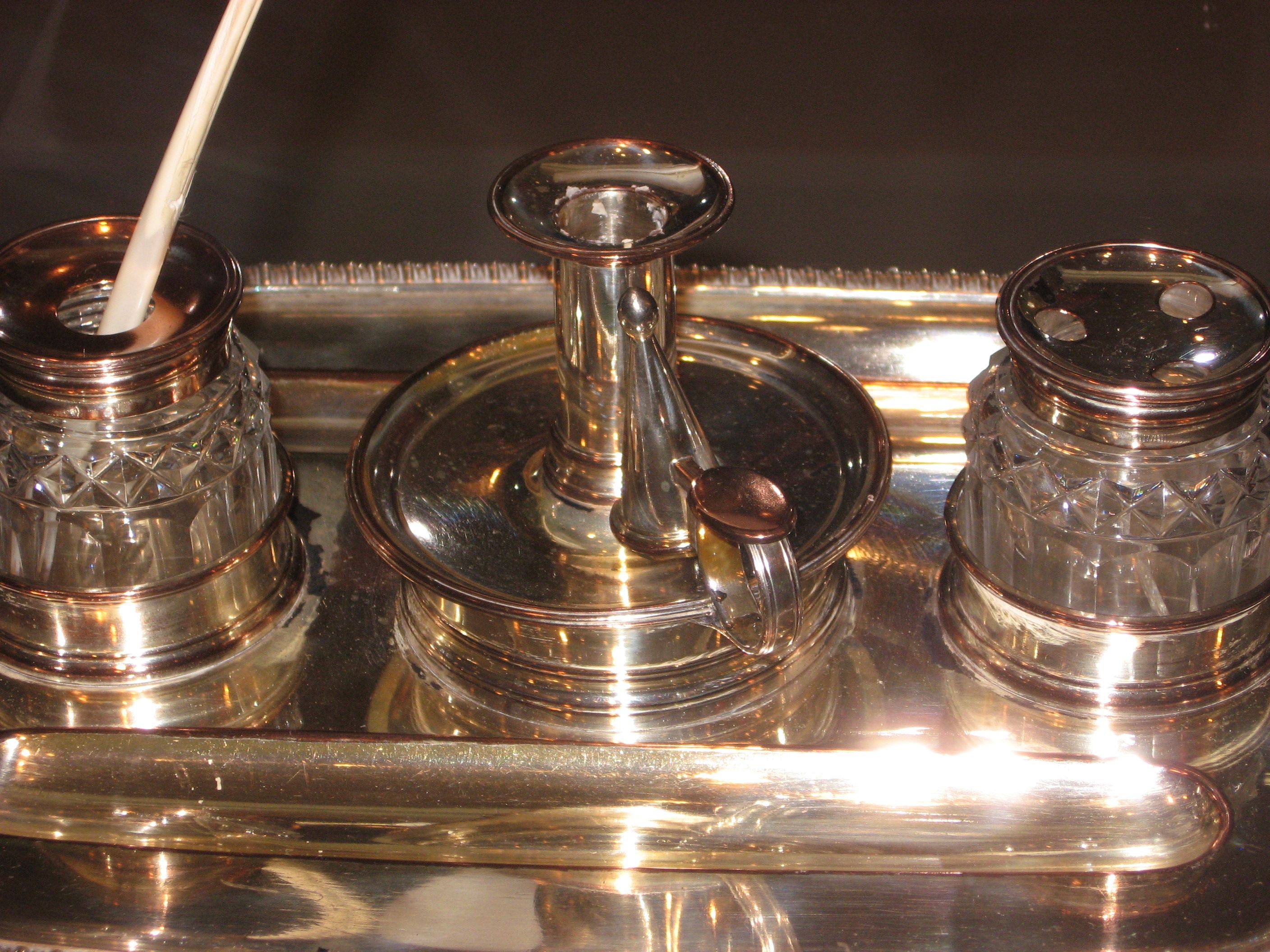
inkstand

Charles Pinkney, U.S. Attorney General, used this inkstand to write a draft of the declaration of war against Great Britain in 1812.

dresser

I didn’t use anything like this particular piece of furniture in the novel, but I love the exuberance of this dressing table. The figures on the upper doors represented Commerce and Industry.

armchair

This armchair inspired me to choose teal upholstery for the furniture Betsy’s parents had in their drawing room.

couch

I love the color combination on the Grecian couch. It helped me to realize that the color palette from Betsy’s time period wasn’t quite as somber as I might have assumed.

8 Comments

Filed under Uncategorized

19th Century Life: Bodily Functions

Two years ago when I was visiting Baltimore for research, my husband and I toured the Homewood House Museum. Homewood was the mansion of Charles Carroll, Jr., son of Charles Carroll of Carrollton (the only Catholic to sign the Declaration of Independence). Today, Homewood is beautifully restored, decorated, and furnished to authentically represent how it originally looked. It’s located on the campus of Johns Hopkins University, and I strongly recommend visiting it if you’re ever in Baltimore.

Elizabeth Patterson Bonaparte almost certainly attended parties at Homewood in its heyday. Not only were the Pattersons and Carrolls both leading Maryland families, they were also intimately connected. In 1806, Betsy’s older brother Robert married Charles Carroll, Jr.’s niece, Marianne. So Homewood was a must-see for me. The day we visited, I told the woman who was going to be our guide that I was there to do research for a historical novel, but I did not name my subject. I was scrupulous about keeping that information private until I finished my manuscript.

As we toured the mansion, our docent led us into a room they have furnished as Mrs. Carroll’s dressing room. Almost directly in front of where I was standing was what looked to be a small, low mahogany table with slender neoclassical legs. Set within an arch-shaped opening in the “table” was a recessed silver basin. (You can see it in the third image on this page.) The docent announced in a somewhat amused voice that this piece of furniture was a bidet that had once belonged to Betsy Bonaparte. The docent didn’t elaborate—and because I was keeping my special interest in Betsy a secret—I didn’t press her for information. I must admit that I had a very difficult time keeping a straight face.

You see, up until that moment, I hadn’t really thought about Betsy in terms of her bodily functions, so unexpectedly encountering her bidet was disconcerting. It turned out, however, to be enormously helpful to me as a novelist, because it allowed me to think of her in an earthier way. She became more of a flesh-and-blood woman to me than just a hazy historical figure.

After we returned home, I did some Internet research and found an article originally published in the Baltimore Sun (Rath, Molly, “You Never Know What Will Turn Up Among the Collectibles at the Maryland Historical Society,” November 20, 1994). According to that article the silver basin in the bidet was inscribed with the name of Napoleon’s own silversmith. I can only assume that Jerome gave it to Betsy after they married—or bought it for their home.

The article also mentioned that Betsy carried a porcelain bourdaloue with her when she traveled. A bourdaloue is basically a fancy, French porta potty shaped something like a gravy boat—a handy thing to have for those long 19th-century carriage rides. I find it difficult to imagine Betsy hiking up her skirts and taking a tinkle in a public coach, but maybe she used it in the shrubbery during stops along the way. And she and Jerome did travel extensively in their own privately owned coach and six, so theoretically, she could have used it there.

Both the bidet and the bourdaloue were left to the Maryland Historical Society (MdHS) by Betsy’s grandson. At first, the curators at MdHS didn’t realize what the bourdaloue was. Thinking it was an extra large sauce dish, they put it on display as part of a table setting—until a porcelain expert enlightened them about its true function.

Since Betsy was known for her sharp sense of humor, I feel certain she would have been amused.

205 Bourdalou mit Blumenmalerei Frankenthal c1756-1759
A Sample Bourdelou (not Betsy’s), Photograph by Austin Towers, via Wikimedia Commons

11 Comments

Filed under 19th century life

Writing Historical Fiction: 19th c. Information Lag

While I was planning the plot of The Ambitious Madame Bonaparte, I had to deal with what I call information lag. In the current age of instant communication, it’s hard to remember how long it once took for news to travel.

In the early 1800s, it took a day to travel the 45 miles from Baltimore to Washington. It could take four days to go from Baltimore to New York. Not only were the travel times long, but mail was not secure. Travelers sometimes amused themselves by opening and reading packets of letters that were in transit.

The times for transatlantic travel were obviously much worse. An exceptionally fast ship could make the crossing in three weeks, but six weeks to two months was more typical. As a result, information lag had a huge impact on the love story in my novel.

Think about it. You’re a lusty young man, impulsive by nature, who is accustomed to using your position as Napoleon’s brother to get what you want. On a brief visit to the United States, you meet the most beautiful, witty girl you’ve ever encountered. You know your brother would expect you to ask him before you decide to marry, but frankly, you’re tired of being treated like a child—and it’s obvious that you have many rivals for the young woman’s hand. Would you want to wait four months for a ship to cross the Atlantic and back again to find out what your family thinks of your choice? Especially knowing that the letter might be lost and you’ll have to start all over again six months from now?

No, I didn’t think so.

Although I’m sure it was exasperating to Betsy and Jerome, as a writer, I was grateful for the information lag because it helped to add considerable tension to the plot. The specifics of how that tension plays out will not be revealed until the book is published. (That’s my contemporary version of information lag.)

vigilante

8 Comments

Filed under Writing Historical Fiction

Writing Historical Fiction: Researching Historic Ships

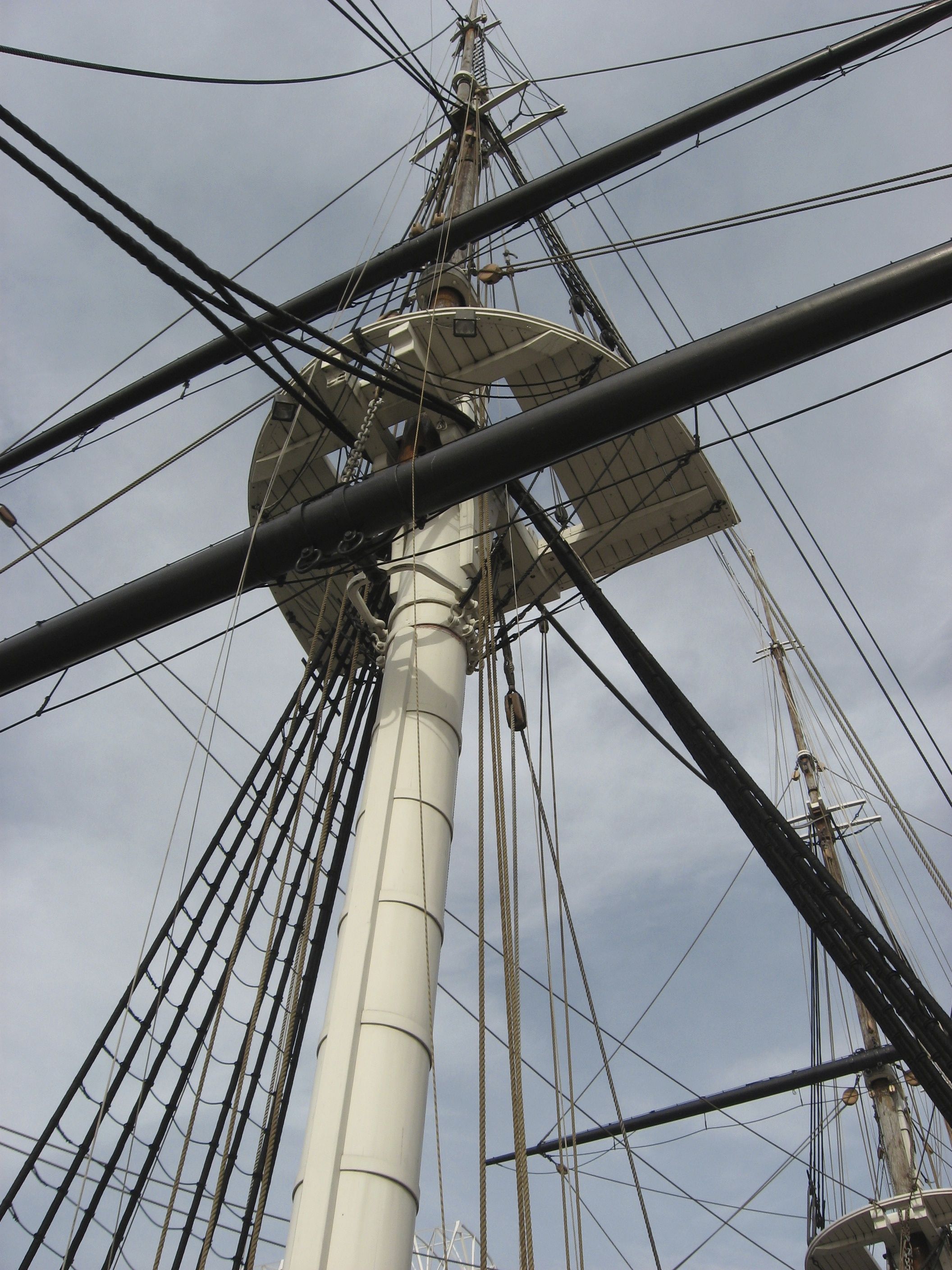
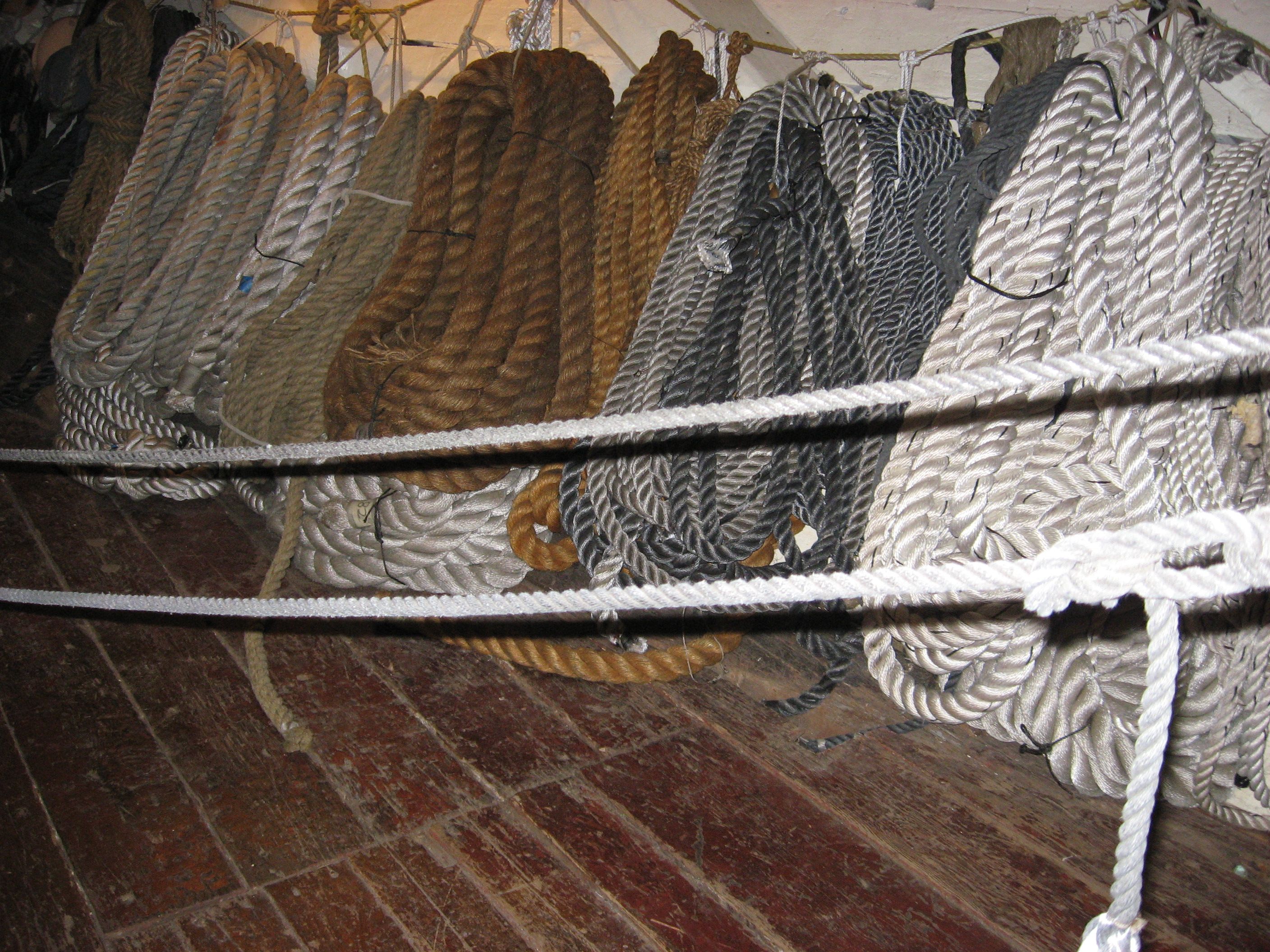
These are just a few photographs of the USS Constellation, which I took when I was on my research trip to Baltimore two years ago. It was built after the time period of my novel, but I still found the tour of the ship helpful. Clicking on each image will make it larger.

constellation

rigging

ship's wheel

cable tier

9 Comments

Filed under Research

Betsy Bonaparte: Her Venomous Tongue

According to people who knew her, Betsy Bonaparte had a quick wit and a sharp tongue. One of the amusing aspects of portraying her in the novel was allowing her to rebuke her foes with stinging insults that I would never dream of using myself.

One acquaintance who wrote about her was James Gallatin, son of Albert Gallatin — who was the Secretary of the Treasury and later the Minister to France. When Betsy was in Paris, she dined with the Gallatins often. In his memoirs, James Gallatin recorded the following story. I wasn’t able to use it in the novel, so I will quote it here:

[Madame de Staël] had given a dinner at her house in Geneva, to which Madame Bonaparte was invited. Arriving very late, she delayed serving the dinner for over half an hour. On one side of her was a Mr. Dundas, a great gourmand, who was much put out at having to wait. After the soup had been served he turned to Madame Bonaparte and asked her if she had read the book of Captain Basil Hall on America. She replied in the affirmative. “Well, madame, did you notice that Hall said all Americans are vulgarians?”

“Quite true,” calmly answered Madame Bonaparte, “I am not in the least surprised. If the Americans had been the descendants of the Indians or the Esquimaux there might have been some reason to be astonished, but as they are the direct descendants of the English it is perfectly natural that they should be vulgarians.” After this Mr. Dundas did not open his mouth again and left at the first opportunity.

The Diary of James Gallatin

4 Comments

Filed under Extra Tidbits

Betsy’s Circle: The Man Who Saved Baltimore Twice

General Samuel Smith Rembrandt Peale
General Samuel Smith by Rembrandt Peale [Public domain], via Wikimedia Commons

The person in charge of the defense of Baltimore when the British attacked in 1814 was Samuel Smith, former revolutionary officer and current U.S. senator. He also happened to be Betsy Bonaparte’s uncle, as he was married to her mother’s older sister.

Samuel Smith was born in Pennsylvania, but his family moved to Baltimore when he was a boy, and he made Baltimore his home for the rest of his life. Like Betsy’s father, he made his money from shipping and trade. Smith served in the army during the Revolutionary War, advancing from captain to major to lieutenant colonel. He spent the winter at Valley Forge with George Washington, and he later took part in the Battles of Saratoga, which were the turning point of the war.

In his forties, Smith entered politics. He served in the House of Representatives from 1793 to 1803 and in the Senate from 1803 to 1815. His highest rank was president pro tempore of the Senate, making him third in line to the presidency.

During the War of 1812, a Baltimore officer named General William Winder had been in charge of the disastrous defense of Washington, D.C., which led to a rout of the American forces and the burning of the capital. When it came to defending their own city, Baltimoreans turned to 62-year-old Samuel Smith rather than the much-younger Winder. Smith organized the digging of fortifications to prevent a land approach and prepared to sink ships in the Patapsco River to prevent a water approach.

After the Battle of Baltimore was over, Smith returned to Congress, serving in both the Senate and the House for nearly two more decades. All together he spent 40 years in Congress.

In August 1835, Smith was once again called upon to save his city. Seventeen months earlier, the Bank of Maryland had failed, and the public had grown tired of waiting for the long-promised settlement. For several nights running, angry people gathered to attack the homes of bank directors. Samuel Smith, now eighty-three years old, organized a force of volunteers and managed to quiet the mob and convince them to disperse. The grateful city made Smith mayor, a position he held for three years. He died in 1839 at the age of 86.

Leave a comment

Filed under Extra Tidbits