Tag Archives: Historical fiction

Writing Historical Fiction: Mimicking Old Books

As I was waiting for the copy edit review of my novel, one of the people at my publishing house had an unusual suggestion for my book. She e-mailed me and said that she had been thinking about my story and wondering if I’d want to consider doing one of those old-fashioned, annotated TOCs (tables of contents) that used to be so popular in the 1800s. Her reasoning was that she thought all the chapters are so meaty (an evaluation I loved hearing!) that it might be fun to give the readers teasers about what’s coming.

My first thought was, What are you, psychic? You see, two of the 19th-century biographies of Betsy Bonaparte that I used for sources had just that kind of TOC.

My second thought was, No way. I don’t want to give away too much of the story.

But I reconsidered and decided to see if I could do it without including spoilers. It became like a word puzzle, . . . and I love word puzzles.

After I finished a version that I was happy with, I sent it to my editor to see what he thought. He agreed that it worked, so we decided to use it.

Here are the first few chapters:

Prologue

Visiting a dying son — The seductive whirlpool of memory

Chapter I

Refugees from a revolution — An early loss — Snowball fights and arithmetic tests — Teasing Uncle Smith — Madame Lacomb’s school — Intriguing prophecy

Chapter II

The Belle of Baltimore — Dreaming of a brilliant match — Rumors about Napoleon — A Bonaparte in Baltimore — Their first encounter

Chapter III

A consummate flatterer — Quick wit and a sharp tongue — Aunt Nancy’s advice — The coquette and the guest of honor — “Destined never to part”

Chapter IV

A shocking discovery — The wedding of friends — Passion awakes — Seeking a brother’s advice — A father’s worry and a daughter’s plea

6 Comments

Filed under Writing Historical Fiction

Writing Historical Fiction, Part 1 by Meredith Allard

Today, I refer you to a great post by Meredith Allard in which she talks about how to pick the right setting for historical fiction:

Writing Historical Fiction Part 1.

Leave a comment

Filed under Writing Historical Fiction

Betsy’s Circle: Dolley Madison

Dolley Madison

Dolley Madison by Gilbert Stuart, via Wikimedia Commons

One of Betsy Bonaparte’s more surprising friendships was with Dolley Madison. On the surface, the two women seemed to have little in common, yet they had an amiable relationship that lasted many years. For example, while Dolley was in the White House, Betsy often looked in on Dolley’s son at his boarding school near Baltimore. And Dolley Madison once gave Betsy the commission of buying her a turban or anything fashionable on her next trip to Europe because she so admired Betsy’s taste. 

Dolley Madison, born Dolley Payne, was raised as a Quaker in Virginia. Her family moved to Philadelphia when she was a teenager. When Dolley was twenty-two, she married a young lawyer named John Todd, with whom she had two sons. Tragedy soon struck, however. The terrible yellow fever epidemic of 1793—which wiped out some 11 percent of Philadelphia’s population—killed both her husband and her younger son, who was only three months old.

Within a year, Dolley had met and married James Madison, a bachelor who was seventeen years older than she was. As the main author of the U.S. Constitution, Madison was an important political figure, so this new relationship thrust Dolley into a much different social sphere than she had been used to.

She proved to be more than up to the task. After Thomas Jefferson became president, James Madison became his secretary of state and Mrs. Madison served as the hostess for the widowed president. After eight years, Madison succeeded to the presidency, and Dolley Madison officially became the first lady. She was famous for her entertaining. The following description comes from my forthcoming novel The Ambitious Madame Bonaparte:

Under Mrs. Madison’s direction, Benjamin Latrobe had transformed the oval drawing room into a blazingly colorful salon that was the talk of Washington. Latrobe had repainted the walls sunflower yellow, highlighted moldings with strips of pink wallpaper printed with white and dark green leaves, hung crimson velvet curtains with gold tassels, and laid a carpet with a red, blue, and gold arabesque pattern. Dolley Madison held open houses every Wednesday in the lavishly decorated room. So many people attended—sometimes as many as 400 in a day—that the regular event became known as Mrs. Madison’s “crush or squeeze.”

Dolley Madison became a beloved national hero during the War of 1812. When it became evident that the British were going to take Washington, D.C., in August 1814 and that it would not be possible to protect the President’s Mansion, Dolley stayed to oversee the removal of as many precious and important items as possible—including a full-sized portrait of George Washington. It is this action for which she is best remembered today.

Gilbert Stuart - George Washington - Google Art ProjectGeorge Washington by Gilbert Stuart, via Wikimedia Commons

Although Dolley and James Madison remained devoted to each other, Dolley did have one major sorrow. Her surviving son Payne Todd was an irresponsible alcoholic. His behavior was a trial to his mother, particularly after James Madison’s death. Because of Payne’s heavy spending, Dolley Madison spent much of her later years in poverty.

4 Comments

Filed under Extra Tidbits

Just in Case Research

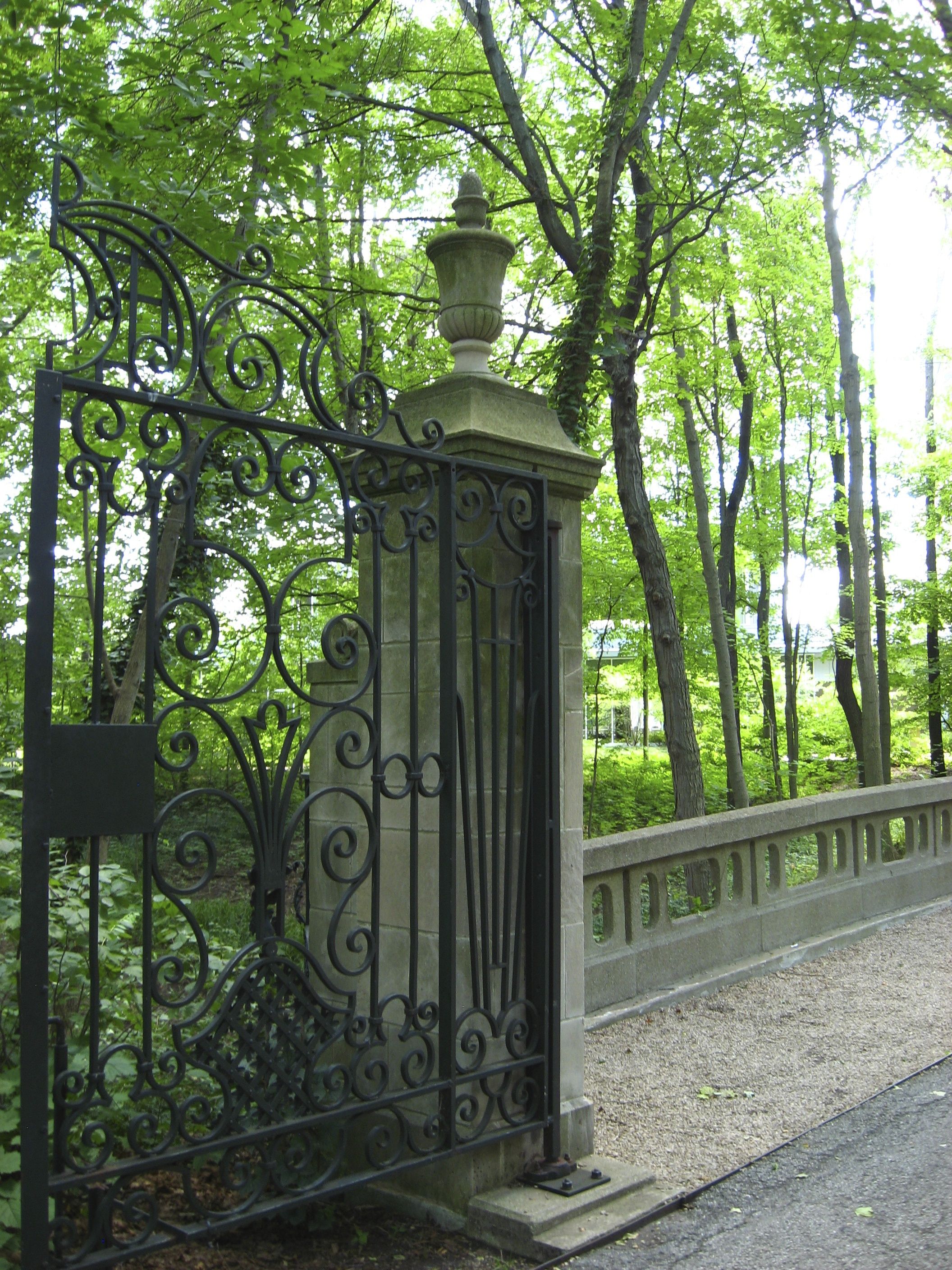
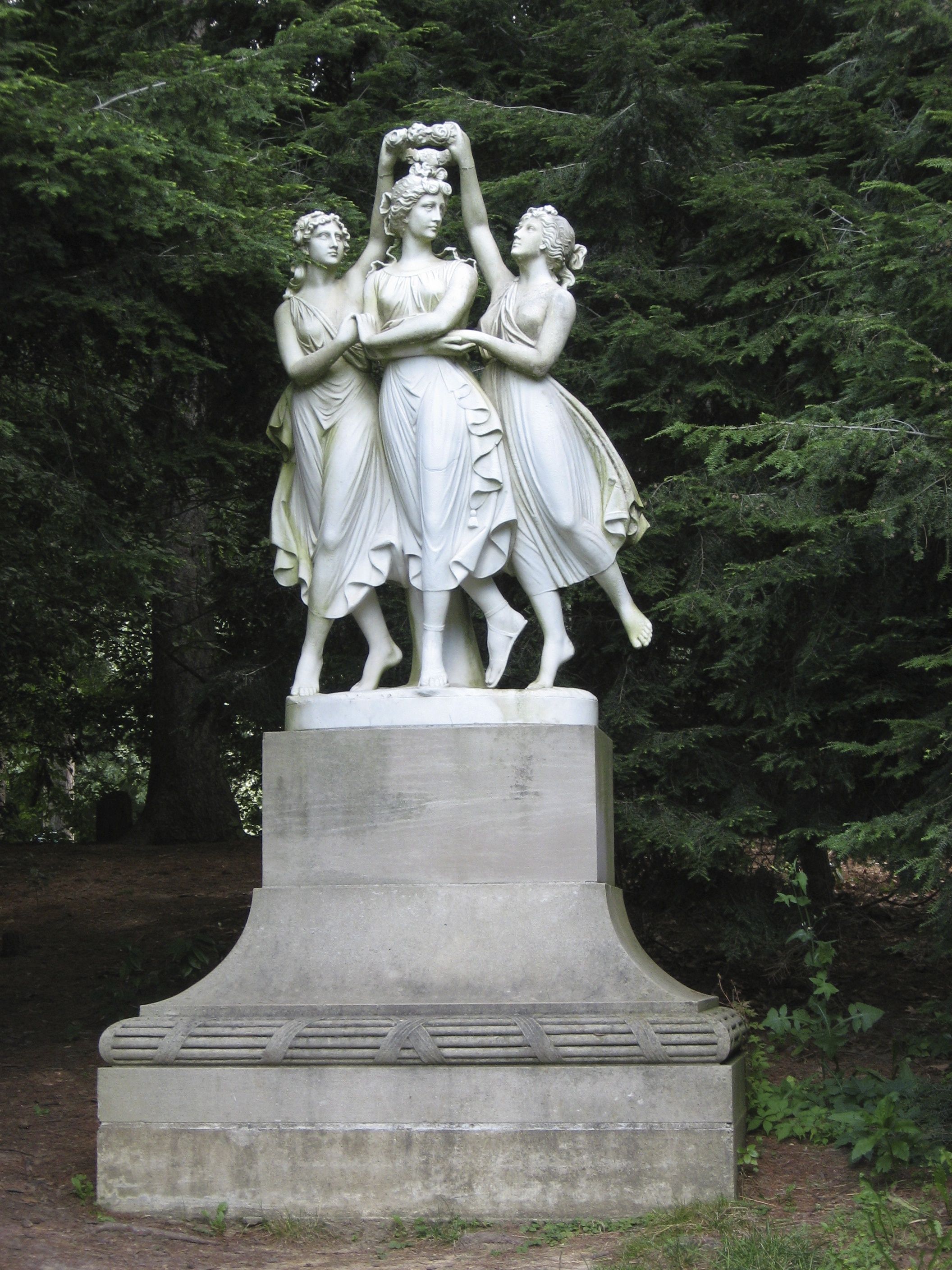
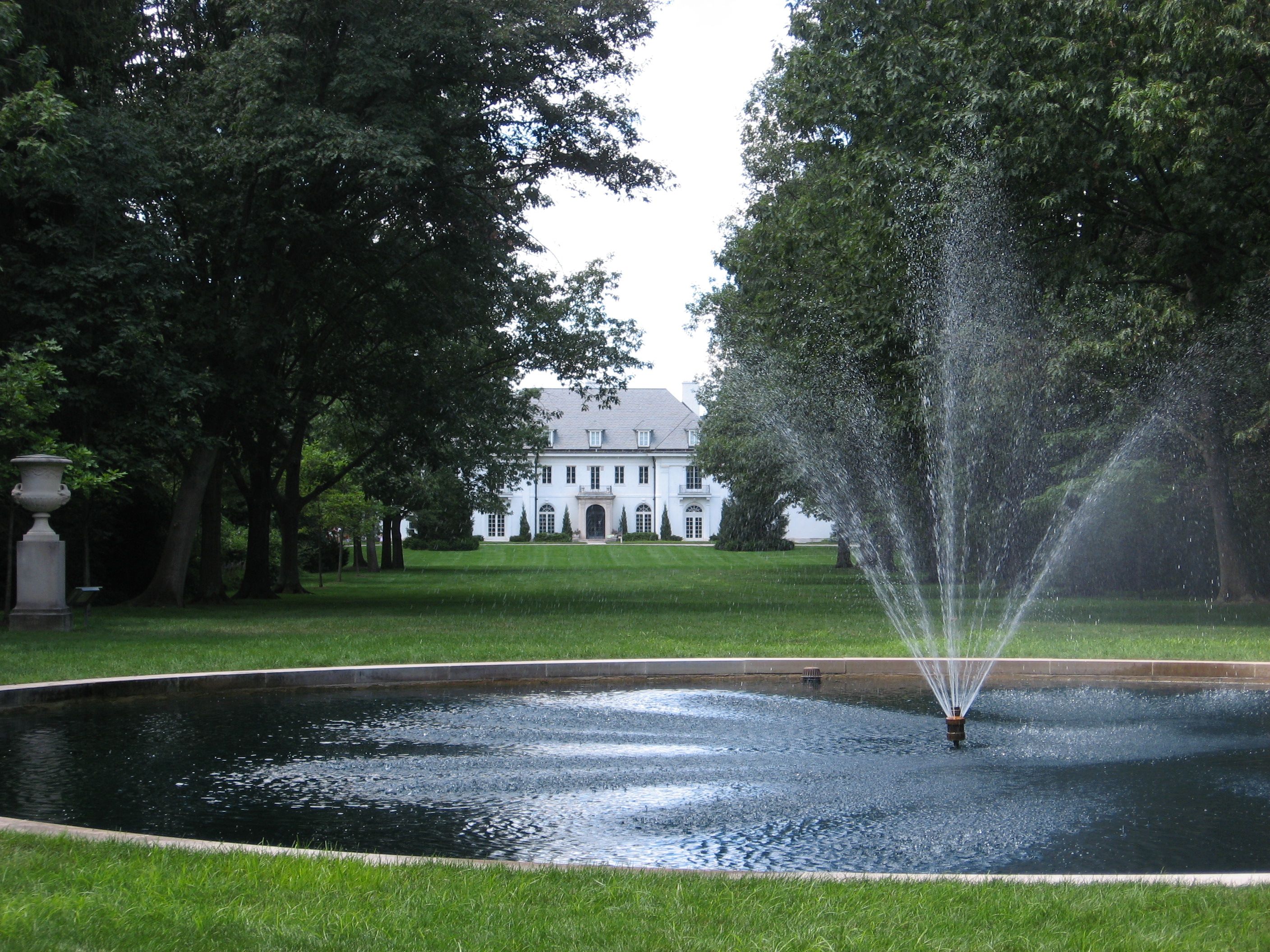
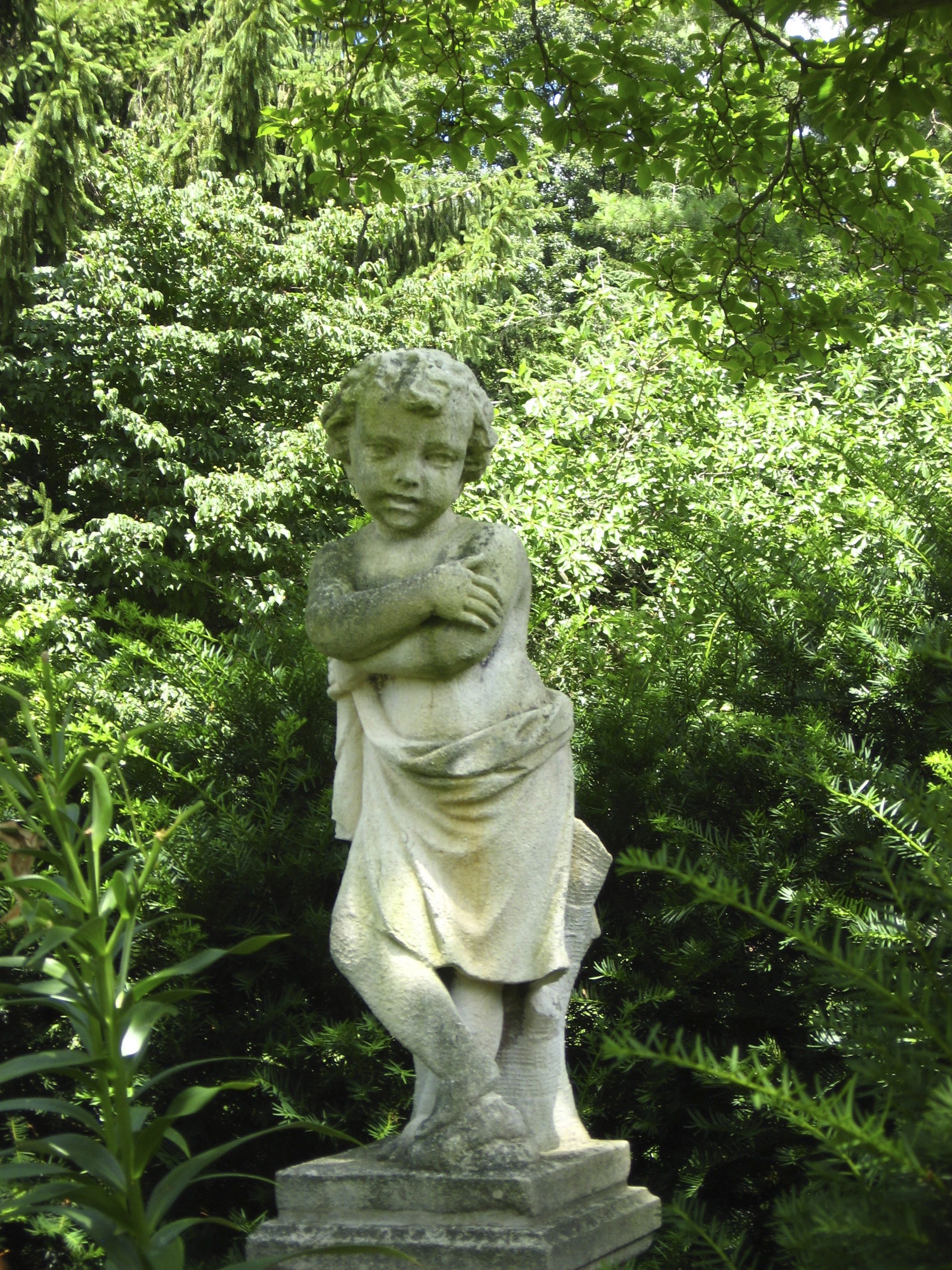
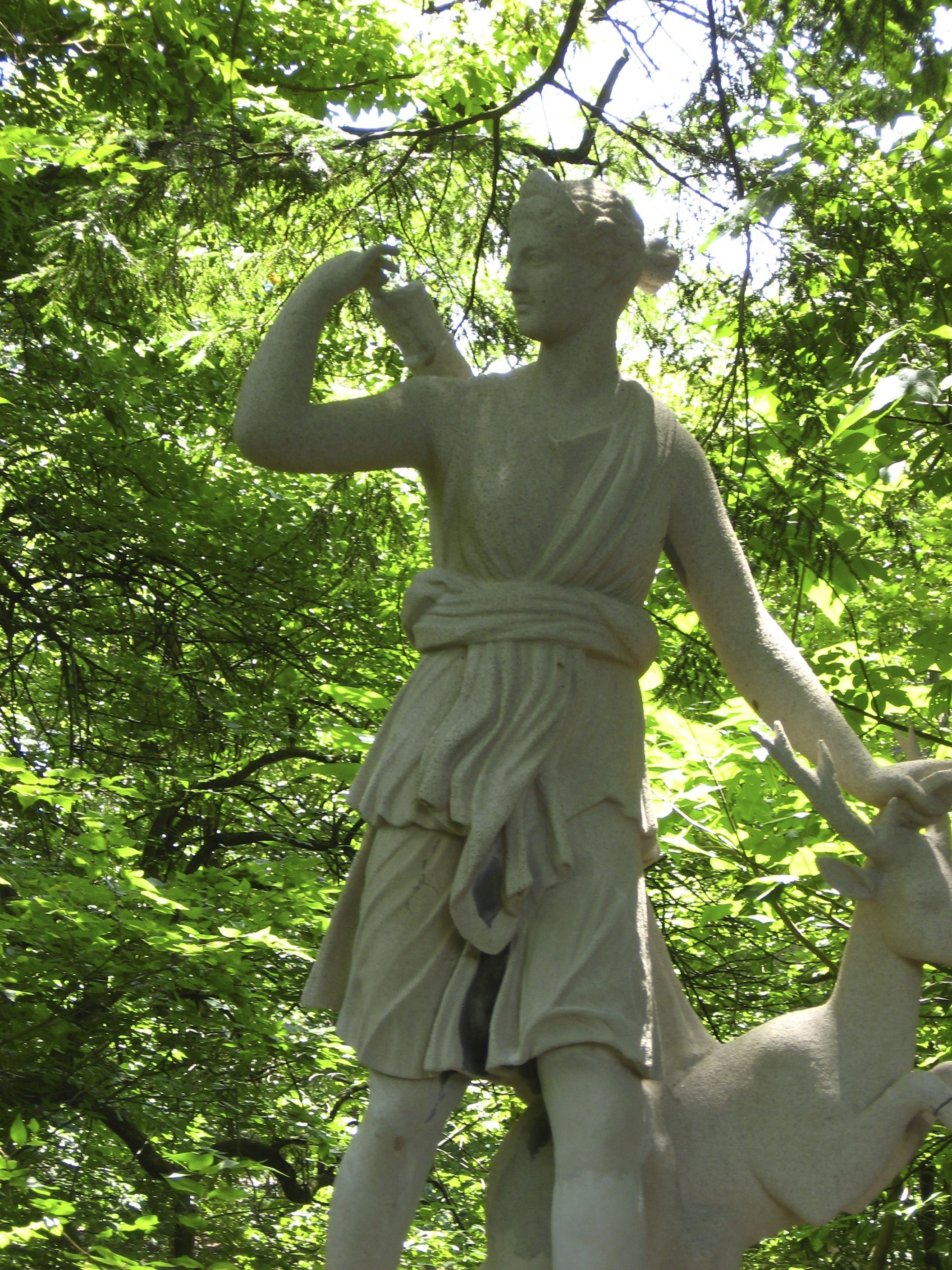
Last summer, while we were visiting my husband’s sister, we strolled through the formal gardens at the Indianapolis Museum of Art. Since I think it’s quite possible I might have to describe an estate with a formal garden in historical fiction someday, I took a lot of photographs as “just in case research.” Here are a few of my favorites:

IMG_0099

IMG_0106

IMG_0109

IMG_0077

IMG_0080

IMG_0089

IMG_0096:

9 Comments

Filed under Research

And the Real Letter Is . . .

In relation to yesterday’s post, the real Betsy Bonaparte letter is this one:

I shall go to America if you think there is the least necessity for it. Let me know everything about my finances. Do read as much as you can, and improve in every way. I ask you to reward my cares and anxieties about you, by advancing your own interests and happiness. I am very uneasy about you, and almost blame myself for not going with you to take care of you, and shall never forgive myself if you meet any accident by being alone.

The version I use in the novel is actually longer. Here’s another bit of it that I cut from the beginning, which I find amusing:

They have sent me a bill for six hundred cigars you took at Leghorn [the port of Livorno in Italy]. For heaven’s sake spend as little money as possible.

Bo was only sixteen at the time. I just love the idea that teenagers were still the same two hundred years ago; as soon as Mom’s back was turned, Bo went overboard on something he really wanted and had no sense of proportion about how much money he was spending.

Thanks to everyone who participated in my little guessing game. It was very reassuring to find that my letters didn’t stand out as twenty-first century fakes!

2 Comments

Filed under Writing Historical Fiction

Writing Historical Fiction: Using (and Faking) Old Letters

As I mentioned the other day, Betsy Bonaparte’s life is well documented. Many of the biographies about her quote extensively from her letters, and I include excerpts of some of them in my novel.

But there were also times when I couldn’t find a letter that said what I needed for the story, so some of the letters in my novel are fictional, written by yours truly. Trying to imitate that nineteenth century style was an exceptionally enjoyable exercise.

Below are two different letters written from Betsy to her son Bo when she was in Europe and he was in the United States. One is authentic, the other is one of mine. (I’m not saying which is which.)

This first one was written when Bo is still a young boy:

Being separated by the Atlantic is as disagreeable to me as it is to you, but I must do what is necessary to secure your future. Reward all my cares for you by studying as hard as you can, so that when I come home I will find that you have proven yourself worthy of the Bonaparte name. I love you, and I shall not rest easy until I can be with you again and look after you myself.

This second one was written shortly after Bo has traveled along to America to begin his studies at Harvard:

I shall go to America if you think there is the least necessity for it. Let me know everything about my finances. Do read as much as you can, and improve in every way. I ask you to reward my cares and anxieties about you, by advancing your own interests and happiness. I am very uneasy about you, and almost blame myself for not going with you to take care of you, and shall never forgive myself if you meet any accident by being alone.

If anyone cares to guess which letter is which, I’ll post the answer in the comments sometime tomorrow.

11 Comments

Filed under Writing Historical Fiction

Thinking About Act Two

Thinker Philadelphia

When I think about starting my next book, I find myself torn between two different ideas. I may do both eventually; the problem is in deciding the order.

The first idea–which I’ll call Cécile’s story—builds off some of the research I did for The Ambitious Madame Bonaparte (AMB). The time period and the locations are similar. The plot would be quite different. Unlike AMB, it wouldn’t be based on real people. The story I have in mind was inspired by the life of a couple of women I read about, but it diverges significantly from real events.

The second idea—which I’ll call Sarah’s story—is based on the memoir of a real woman caught in a real conflict. It is set in a different place and a later time period. I have a stack of books in my office that I purchased to research this particular event.

Pros and cons?

Both books would focus on women in time of war / conflict. Both deal with issues that intrigue me.

I suspect that Cécile’s story may be less commercial than Sarah’s, which has more action and more external conflict. If I wrote Cécile’s story next, I will likely get “branded” as someone who writes about  one particular period and one particular set of locations. Since I don’t want that to happen, it might make more sense to do this as my third book.

I was actually intending to start Sarah’s story this fall. However, I need to take a research trip that, for reasons related to the plot, has to take place in summer. We intended to go in August but weren’t able to swing it because of our work schedules. That setback seems to have deflated whatever mojo I had for the project. I keep telling myself if I start the book research, the drive will come back, and then I can do the research trip (which mostly relates to setting details) next year. My inner muse remains stubbornly unconvinced.

For whatever reason, Cécile’s story is the one tugging at my imagination. It will require just as much research, but at this point, I’m not planning a trip to do any of it. Yet, I remain troubled by the suspicion that it doesn’t have the same marketable hook of Sarah’s story or AMB, for that matter. (I’m not totally sure of that though. I have thought of one idea that could ramp up interest in it.)

And so I dither and tell myself I’m just too busy  with the last details of AMB and a too-full freelance schedule to start anything new.

One of these days soon, however, I’m going to have to make a decision and commit to it. Otherwise, I run the risk of AMB being an only child.

6 Comments

Filed under Writing Historical Fiction

Research Photographs

In retrospect, I wish I had taken more photographs when I took my research trip to Baltimore. The ones I did take were so helpful.

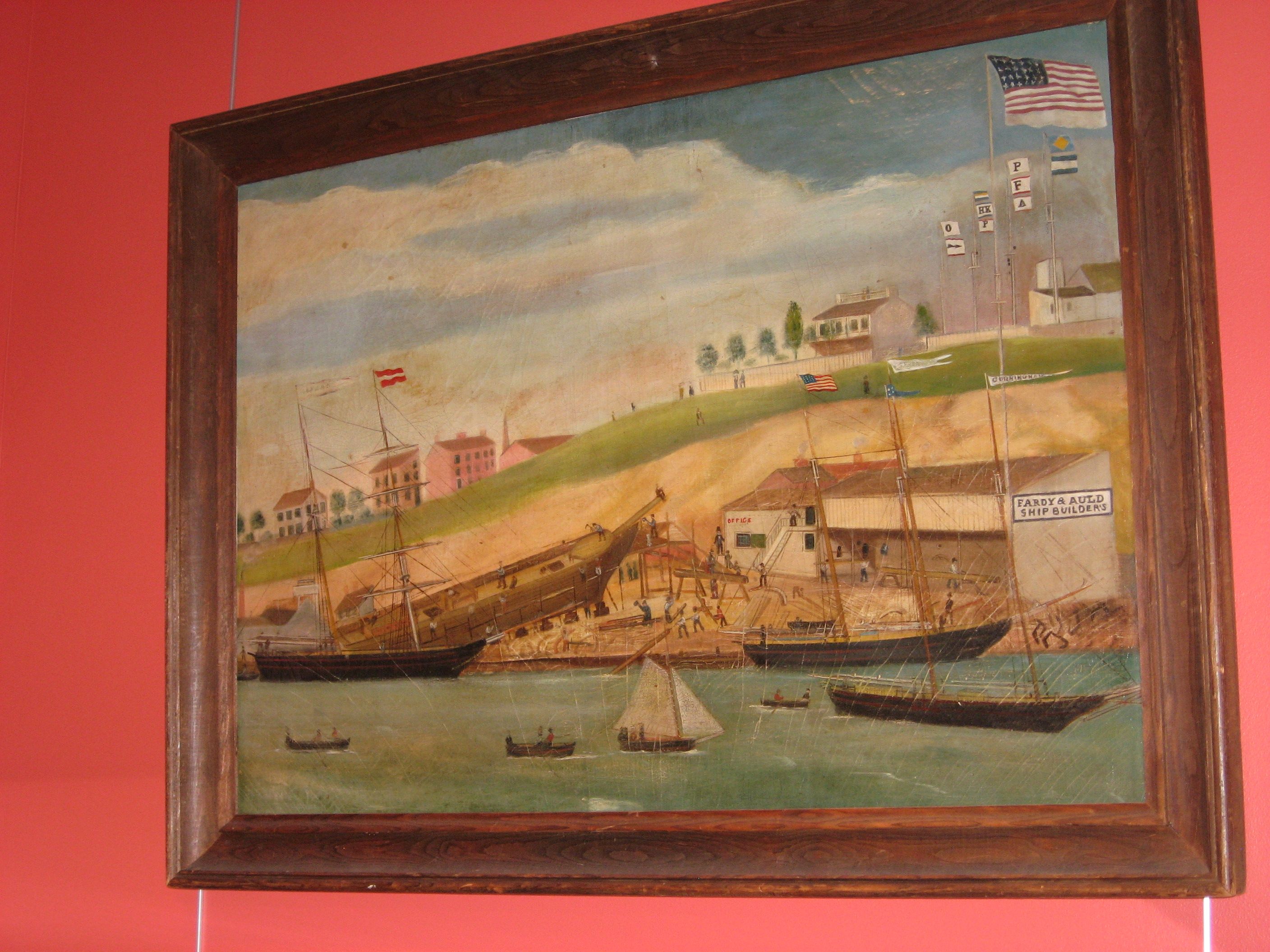
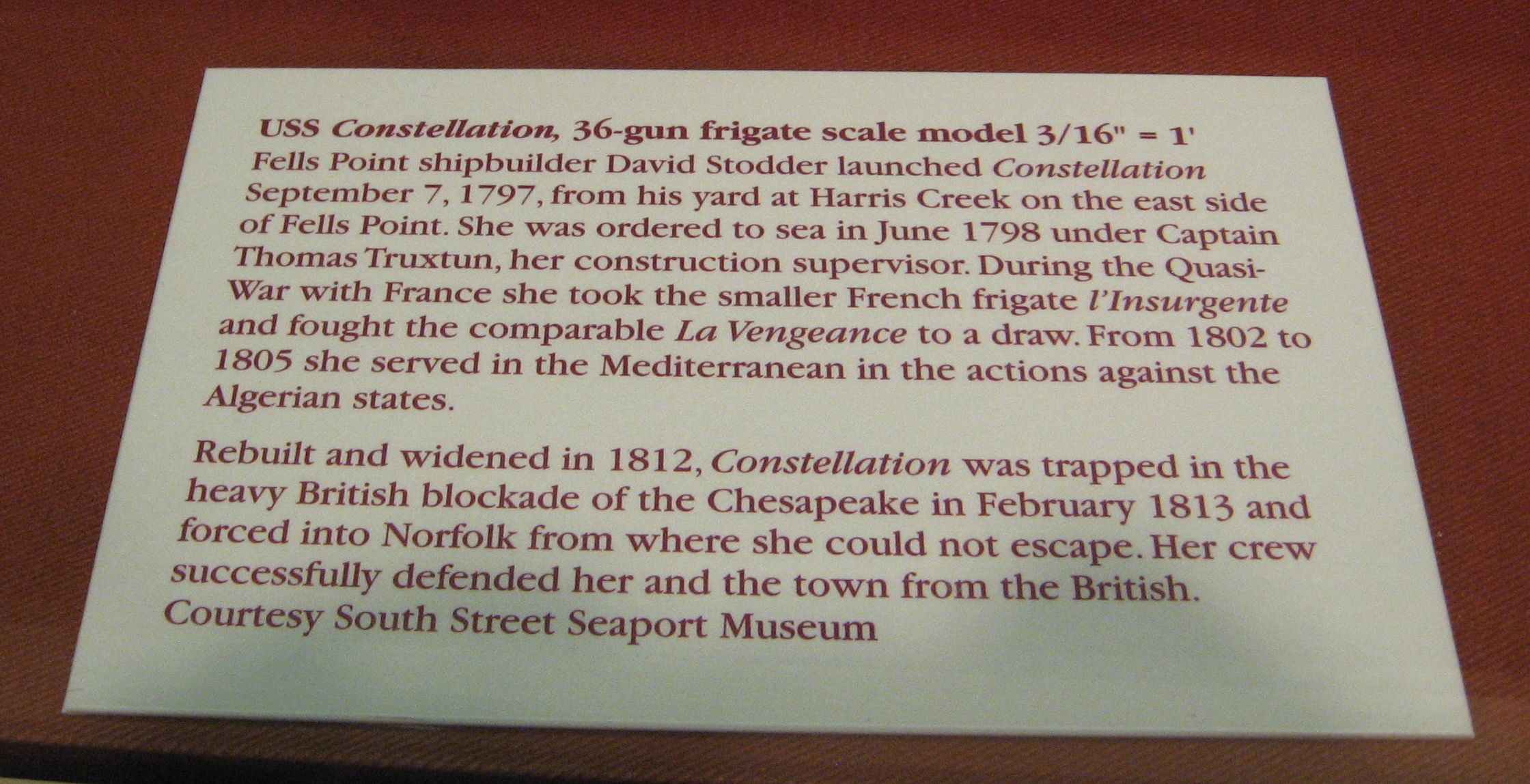
Here are a few more of the images I referred to as I wrote the novel:

Shipyard, Federal Hill, Baltimore

A Shipyard at Federal Hill, Baltimore

Baltimore

Baltimore, circa 1850

Constellation, model

Constellation, caption

Chasseur, model

Chasseur, caption

6 Comments

Filed under Research

Book Review: Unravelled

unravelled

I just finished reading the historical novel Unravelled by M.K. Tod. It has an interesting premise summed up by its log line: “Two wars. Two affairs. One marriage.”

The novel opens in 1935. Canadian veteran Edward Jamieson has received an invitation to go to France to commemorate the Battle of Vimy Ridge. Edward has struggled to overcome what we now call PTSD and later hidden his memories of the war from his wife Ann. So, he’s not eager to return to the place where he survived such horror. Yet, something else from his past—the memory of a passionate love he lost during the chaos of wartime—compels him to make the journey. What he finds in France leads to a marital crisis nearly as destructive as a battle.

Flash forward a few years to the eve of World War II. Although his age and permanent lung damage from the first war prevent Edward from signing up for active duty, he finds another way to serve his country—a way that must be kept secret from his family. Ann, in turn, finds herself struggling against loneliness, resentment, . . . and unexpected temptation. Is the Jamieson marriage strong enough to survive so many external stressors? That is the central question at the heart of this book.

The writing makes it evident that Tod did her research meticulously, yet she is judicious in her choice of details. Not once in the course of the book did I feel that she was piling on interesting facts just to show off her hard-earned knowledge. Tod also is unsparing in portraying the effect of war on families, but she avoids melodrama or maudlin sentimentality.

My biggest regret about the story is that I wanted to see what Ann and Edward were like together in happier times, before the decade of turmoil portrayed in this novel. In some of the conversations where they discuss their problems, they refer to what their relationship has lost. And they think things like, “I miss Ann’s sense of humor.” As a writer, I imagine that, in dealing with such an epic story, Tod had to make difficult choices about what to include in the plot. However, as a reader, I would have liked to have briefly glimpsed that more ideal time through a dramatic scene or two instead of having the characters tell me what they lost. Such scenes would have given me a sharper sense of the damage and raised my emotional stakes in the survival of the marriage.

I don’t mean to imply that I didn’t care about the characters. I did, and I felt compelled to continue with their story because I wanted to know what happened. Despite an exceptionally busy work schedule, I read the book in less than a week. It was also interesting to read a novel from the Canadian point of view. Most of the other novels I’ve read set during the two world wars have been told from a U.S., European, or Asian perspective.

Lovers of historical fiction, especially those interested in the two world wars, will find this a captivating story. The novel will also appeal to readers who like to explore the inner workings of a marriage. For these reasons, I recommend Unravelled without hesitation.

5 Comments

Filed under Book Reviews

Writing Historical Fiction: Hanging the Swags

Niagara Falls Storm

Photograph of Niagara Falls by Saffron Blaze, via Wikimedia Commons

One of my favorite analogies for writing historical fiction is “hanging the swags.” My novel The Ambitious Madame Bonaparte is about a real woman whose life is well documented. The Maryland Historical Society alone has something like eighteen boxes of letters, account books, and newspaper clippings relating to Betsy Bonaparte, and numerous biographies have been written about her. So I was working from a fairly clear outline consisting of the main events of her life. I think of those events as brackets extending at irregular intervals along a wall.

Even with as much as is known about Betsy, however, there are still gaps that required me to add material to connect the brackets. For me, one of the biggest holes was the lack of explanation for why Betsy and Jerome did some of the things they did.

Here’s a perfect example. After they had been married about a year, they decided to sail to France to try to obtain Napoleon’s approval of their marriage. The problem was that Jerome and Betsy were a celebrity couple, and much was written in the newspapers about them and their plans. The British, who were at war with France, were well aware that “Boney’s” baby brother wanted to get back home. The British decided that a great strategy would be to try to capture Jerome to hold him hostage. At one point, when Betsy and Jerome were planning to sail from New York on a French frigate, they learned that several British warships were hovering just beyond the narrow strait they would have to take to reach the Atlantic. Understandably, they decided not to risk it.

Here’s where the story gets weird. What did Jerome decide to do at this point when the very future of his marriage is on the line? He decided to take Betsy on a six-week excursion to visit the great falls at Niagara. At the time, 1804, Niagara was still an unsettled wilderness, not a kitschy honeymoon destination. As a general rule, only scientists and explorers went there. One thing that’s known about Jerome is that he believed it was important to see the major sites whenever he visited a country so he wouldn’t appear “stupid” later when people asked him about his trip. A reason like that is sufficient in a biography. In a novel, not so much. I didn’t want my readers to stop and think, “What a dope. I’d never have done that.”

So what did I do? I made up a fictitious event that would give Jerome a plausible reason for thinking that Betsy’s nerves have been overtaxed by the strain in which they were living. The trip becomes much more sympathetic if it is undertaken in an effort to reduce Betsy’s stress and improve her health.

And that’s what I mean by hanging the swags. I started with two historical events that were my “brackets”: the decision not to try to break the British blockade and the subsequent, unexplained decision to travel to Niagara. As a novelist, I connected the two with a “swag”—a linking episode of my own creation. Coming up with that filler material was one of my favorite parts of writing the novel

9 Comments

Filed under Writing Historical Fiction